



India’s push for cleaner power has hit a political roadblock. Meanwhile, major coal producers have lobbied the government for years to delay strict pollution rules. The 2015 norms aimed to cut sulphur and nitrogen oxide emissions. As a result, authorities have repeatedly pushed the deadlines back.

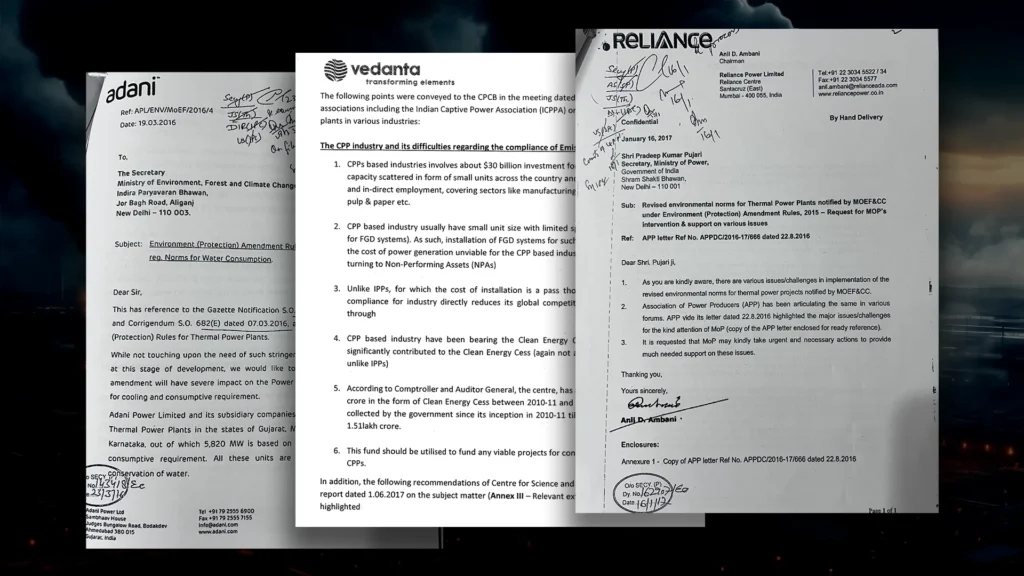
In the last decade, the power industry wrote more than 20 letters to ministers. These letters asked for laxer rules on toxic emissions. The lobby group representing Reliance Power, Adani, JSW Energy and others pressed for change. Deadlines to install pollution-control gear were extended four times. The latest reprieve now stretches to 2027. Only a small share of India’s coal plants have installed the required equipment.
The industry argued the rules were too costly and too strict. It said the gear was expensive and imports were limited. Industry leaders said the standards did not match India’s economic reality.
Government records show the power ministry often echoed industry talking points in its internal files. At times, it questioned the scientific basis of the pollution limits. Critics say this stance undercuts India’s clean energy goals. The Centre for Research on Energy and Clean Air has highlighted that coal plants contribute far more pollution than seasonal farm fires.
Public health professionals warn toxic emissions damage lungs and shorten lives. Yet enforcement remains weak. Studies elsewhere show tighter controls yield cleaner air and faster clean energy adoption.

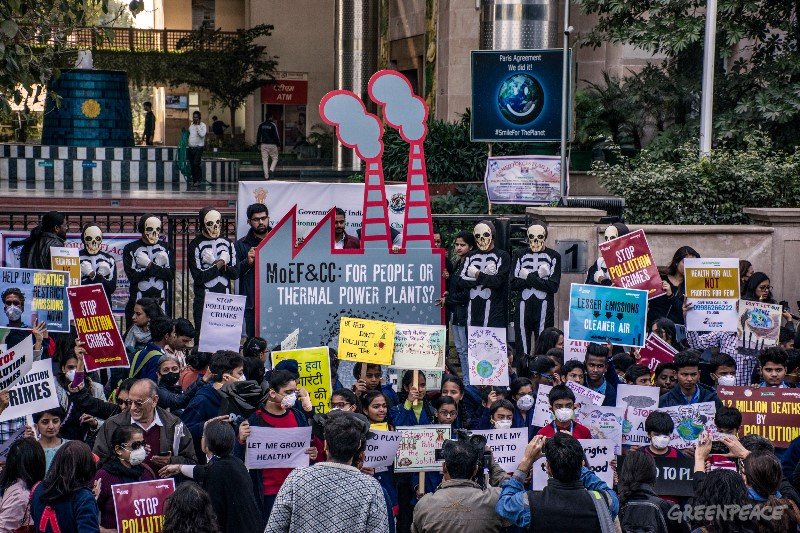
The debate also touches on fairness. Farmers face penalties for burning crop residue. Meanwhile, large power firms face fewer penalties for large-scale emissions.
Meanwhile, clean energy advocates say this impasse slows investment in renewables. They argue that clear rules, in turn, push capital toward solar, wind, and battery storage. As a result, India aims to cut carbon emissions and expand clean power. Transparent environmental policy, they say, therefore remains central to that effort.
Ultimately, policy strength will shape India’s energy transition. Strong rules could boost public health and renewables. Weak ones may prolong dependence on coal.
Reference- The Reporters’ Collective, India Today, live mint, The Wire