




Clean Future spoke with Shubham Mishra, Founder of Battery OK Technologies, a clean-tech company leveraging artificial intelligence to address battery lifecycle management as battery health, reuse, and diagnostics gain importance in the global clean energy transition.
- What problem in the EV battery ecosystem led you to start Battery OK, and what is the core mission you are trying to solve today?
Honestly, Battery OK started with a very simple question I kept hearing everywhere: “Why do some EV business owners test batteries by putting bare hands on battery surfaces?
We saw perfectly usable batteries being replaced, EV vehicles breaking down unexpectedly, and people losing trust in EVs, not because the technology was bad, but because battery truth about health, safety, performance and faults was invisible.
So we started Battery OK to take the guesswork out of batteries. Our mission today is to make battery health clear, explainable, and usable for everyone, manufacturers, financiers, fleets, technicians, and eventually consumers. When people understand their battery, they trust EVs more. It’s that simple.

- Your platform uses AI for battery diagnostics. How does it assess battery health, and how does it differ from traditional testing standards used by OEMs and labs?
Think of traditional battery testing like a medical checkup that happens once in a lab. Accurate, mostly yes but far removed from real life.
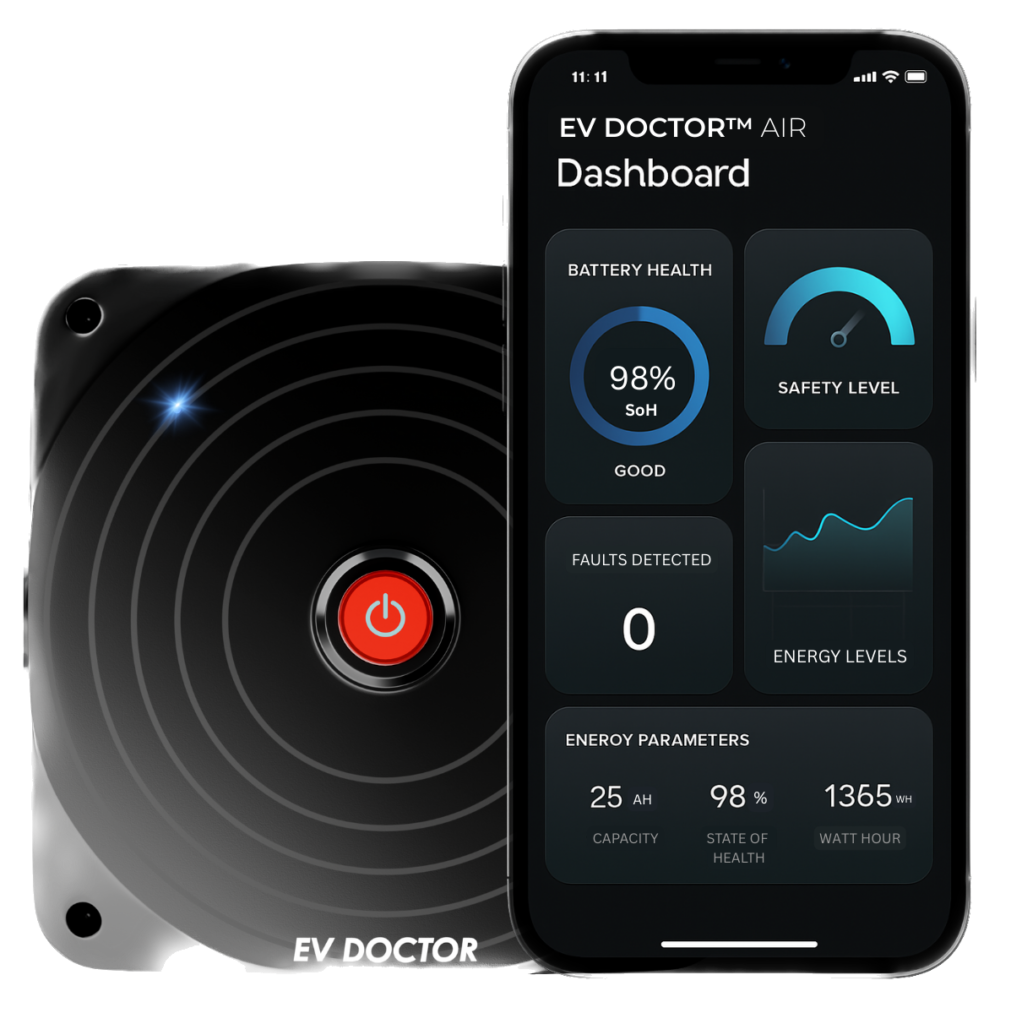
Battery OK works more like an independent battery diagnostics tool for batteries. We look at how the battery behaves every day, voltage patterns, thermal response, resistance changes, and usage stress. Our 25+ trained AI models learns what’s normal, what’s risky, and what’s coming next.
Instead of saying “pass or fail,” we answer:
- How healthy is this battery right now?
- What’s likely to go wrong?
- How much life does it realistically have left?
That’s the difference between testing a battery and understanding it.
- Battery degradation is a key concern for EV buyers and fleets. How can real-time battery health insights accelerate EV adoption and reduce ownership risks?
Battery fear is real and completely justified.
For buyers, it’s “Will my battery die early?”
For fleets, it’s “Will this vehicle stop earning tomorrow?”
Real-time battery insights turn fear into confidence. You can catch issues early, avoid breakdowns, prevent safety incidents, and plan maintenance instead of reacting to failures. When people know what’s happening inside the battery, EVs stop feeling risky and start feeling reliable. That’s when adoption accelerates.

- Who are your primary customers—OEMs, fleets, recyclers, or consumers—and how does your business model scale across India and global markets?
We started by solving real problems where battery failures hurt the most.
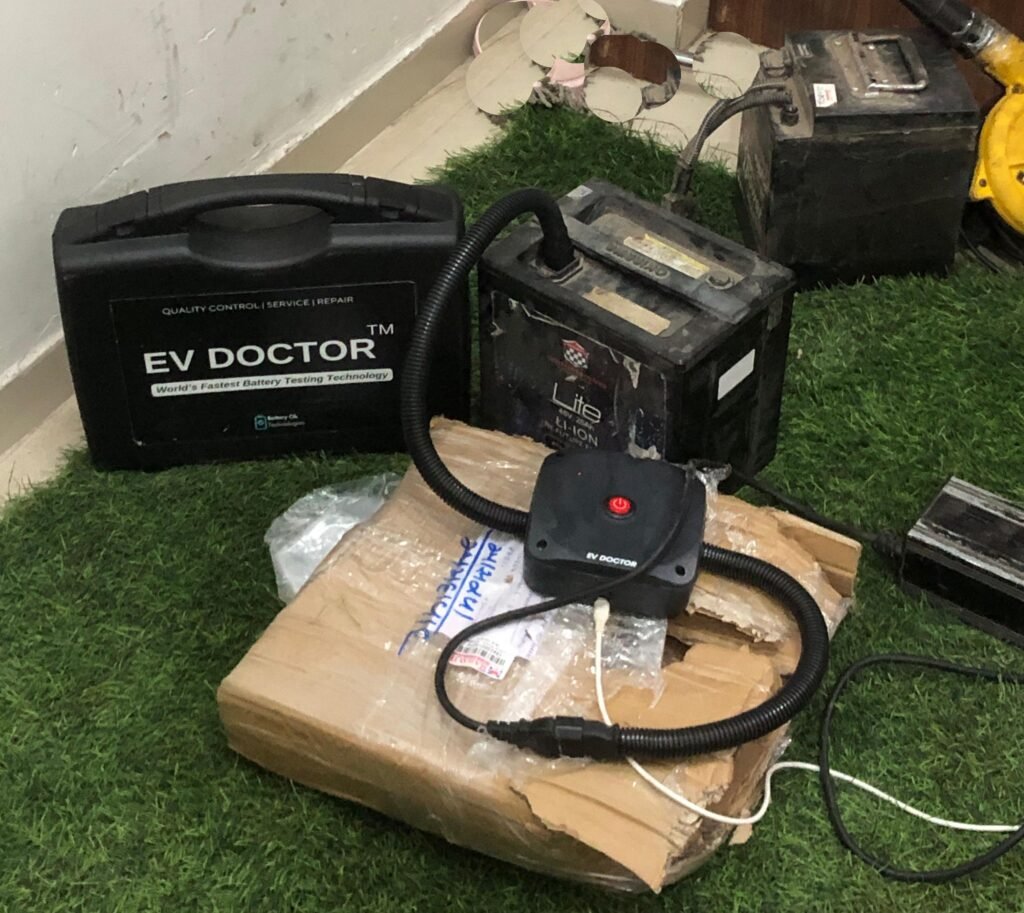
Today, our customers for EV DOCTOR™ include:
- OEMs, who want better quality and fewer warranty surprises
- Insurers and financiers, who want independent battery diagnostics report
- EV fleets, who care about uptime and safety
- Service networks, who need fast, reliable diagnostics
- Recyclers and second-life players, who need to know what’s reusable
The beauty is batteries behave according to physics. So once the intelligence layer is built, it scales across India and globally with minimal friction. Different markets, same problem.
- Battery reuse and recycling are critical for clean energy transitions. How does Battery OK support second-life batteries and reduce lithium-ion waste?
Here’s the uncomfortable truth:
Most batteries are thrown away not because they’re dead — but because no one knows their real health.
EV DOCTOR™ changes that.
We help identify which batteries are fit for second life, which ones can be safely reused, and which truly need recycling. This means fewer batteries going to waste and more value extracted from every cell. Extending battery life isn’t just good business, it’s good climate math.

- What policy gaps or regulatory barriers slow innovation in battery diagnostics and energy storage, and what reforms would unlock faster growth in India’s clean energy sector?
Right now, batteries don’t come with a “health report.”
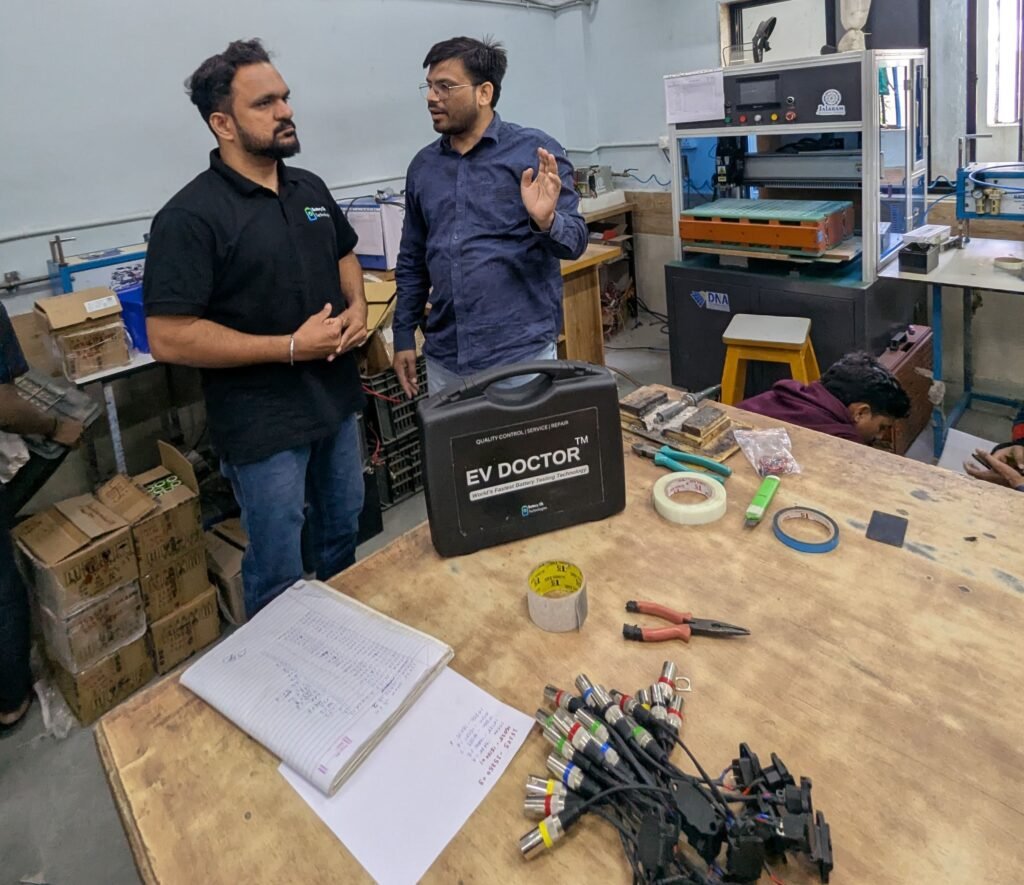
There’s no standard way to measure battery health, no requirement to monitor it continuously, and no clear certification for second-life batteries. That slows innovation and increases risk. If we introduce battery health standards through EV DOCTOR™, digital battery passports, and reuse frameworks, India can move much faster and much safer in clean energy adoption.
- Looking ahead to 2030, what major shifts do you expect in battery technology, EV markets, and grid storage, and how is Battery OK positioning itself for investors and long-term growth?
By 2030, batteries won’t be treated as disposable components, they’ll be treated like financial and energy assets.
We’ll see:
- Autonomous, software-defined batteries
- Large-scale second-life storage
- Stronger safety and health regulations
Battery OK is building the intelligence layer that makes all of this possible. We’re not betting on one vehicle, one chemistry, or one market. We’re betting on a future where every battery knows its own health. And that’s a future investors, users, and the planet can all get behind.
This is a Clean-Future Exclusive