


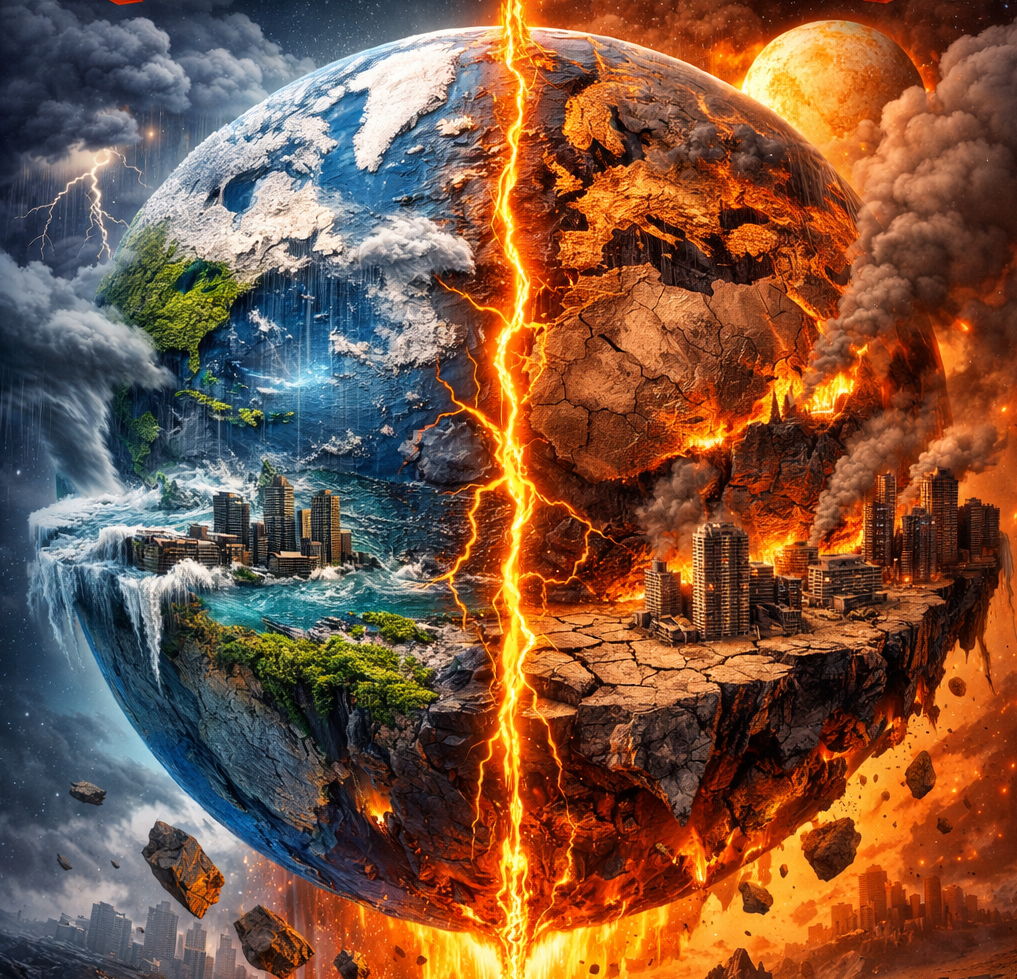
The Earth is warming fast. Scientists now warn that the planet is nearing a point of no return. In fact, several major climate systems are already close to collapse. If they fall, they could push the world into a much hotter state. That state is known as “hothouse Earth.”

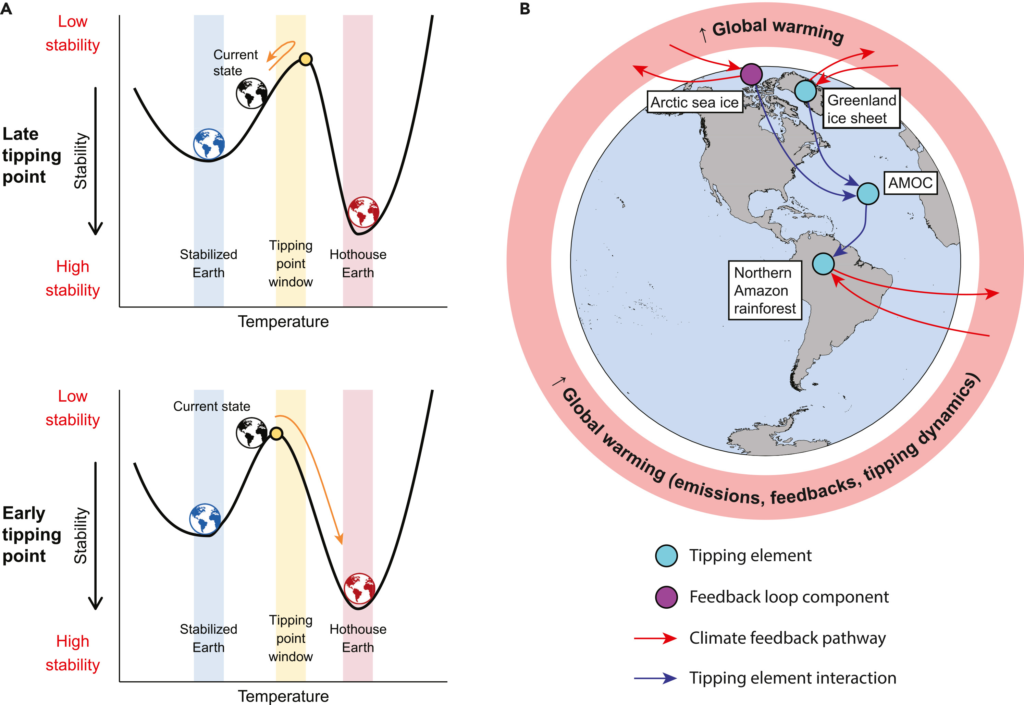
These changes are not theoretical. Data shows that ice sheets, forests, and permafrost are destabilizing. They are nearing critical thresholds. When one system fails, others follow. This cascade effect may make it impossible to stop severe warming.
Already, average global temperatures have risen more than 1 °C above pre-industrial levels. Sea levels are rising. Extreme weather is worsening. Some coastal and low-lying regions face loss of land and livelihood. Many communities will see more frequent heat waves, droughts, floods, and wildfires. Despite this, climate commitments remain weak.
In the worst cases, scientists project long-term warming of about 5 °C or more if emissions continue. That would change daily life worldwide. As a result, large areas would become uncomfortably hot. In turn, food systems would strain. Water scarcity would increase. Consequently, millions could be displaced.

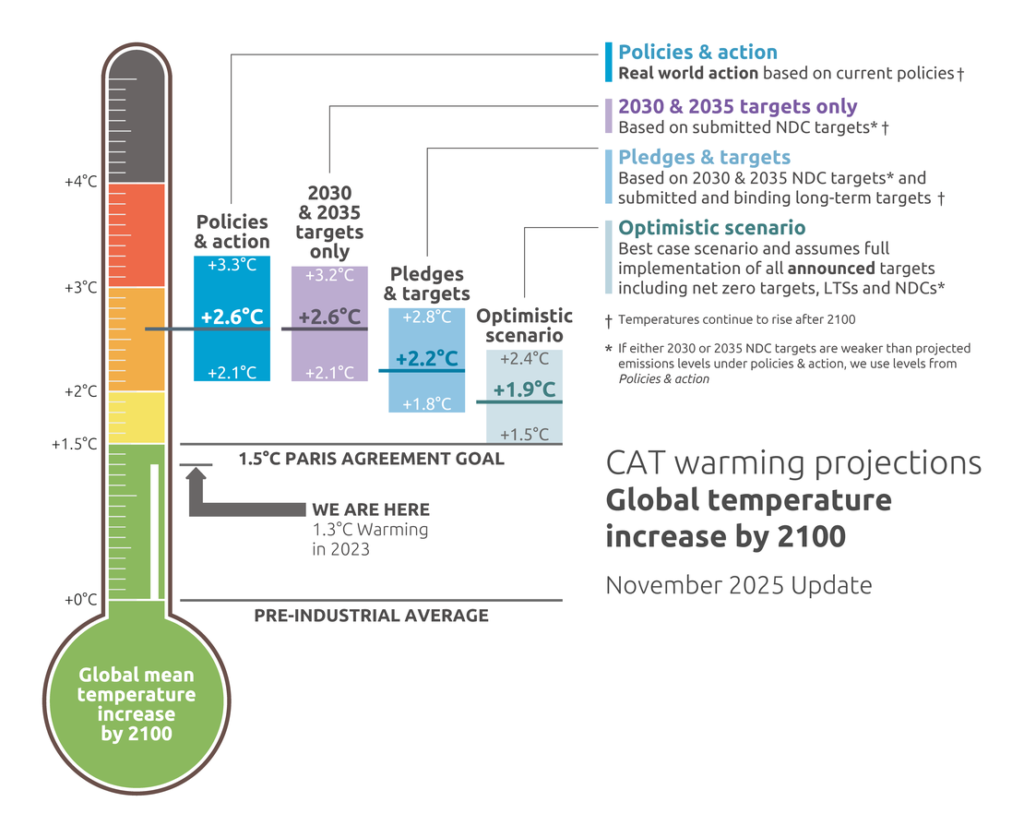
The poorest people will feel the effects first and worst. They have the least ability to adapt. They also contribute the least to global emissions. Meanwhile, political and economic power remains concentrated. That makes decisive action harder.
Some researchers argue that global warming is already exceeding safe limits for human life and ecosystems. They say the planet’s “safe operating space” has been breached in key areas, including climate and biodiversity.

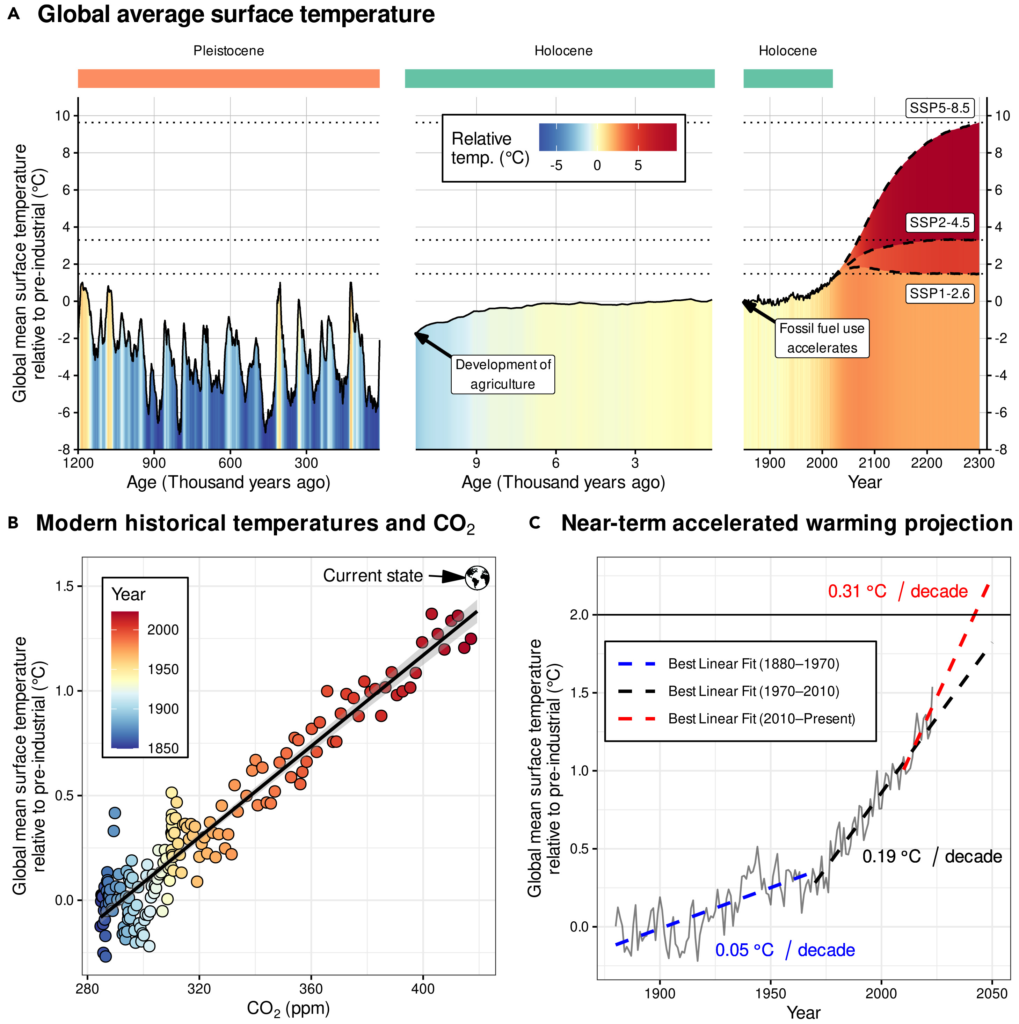
Still, there is a window of opportunity. Emission cuts can slow warming and give natural systems time to adjust. Renewable energy, efficient infrastructure, and sustainable land use can help. Policy shifts at national and global levels can make a difference. But this must start now. Every delay narrows the options.
For decades, humanity has known about climate risks. Now those risks are coming into view. They are urgent. They are measurable. But they are not yet inevitable. The future hinges on choices and actions this decade.
Reference- Futurism, The Guardian, Journal One Earth, UN website, SoBrief