



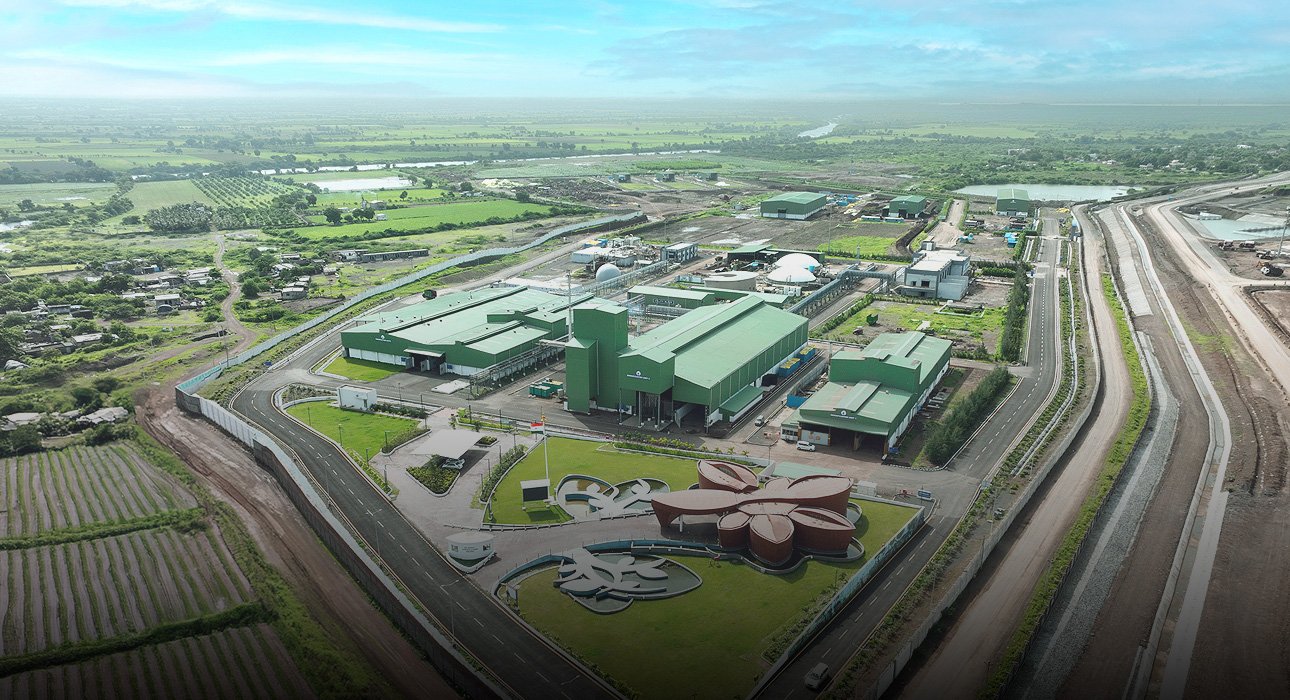
India’s ambition towards bioenergy appears to be growing. However, the road ahead does not seem to be smooth.
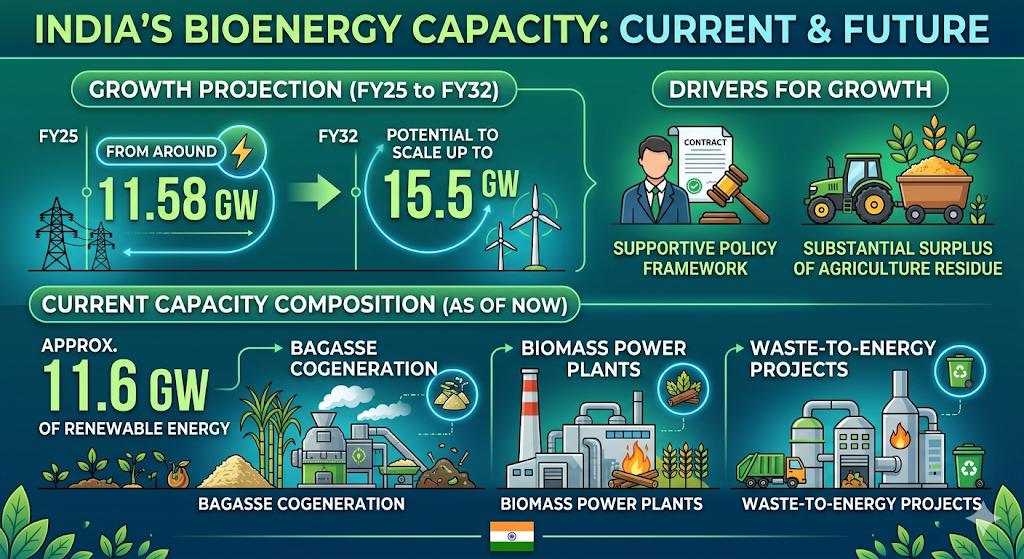
According to a report from CARE Analytics, India’s bioenergy capacity can scale up to 15.5 GW by FY32 from around 11.58 GW in FY25 owing to supportive policy framework and substantial surplus of agriculture residue.
As of now, bioenergy makes up almost 11.6 GW of India’s renewable energy capacity. Bagasse cogeneration leads the bioenergy sector followed by biomass power plants and waste-to-energy projects.
The resource availability is substantial. India produces around 750 million tonnes of agriculture residue each year. Out of this, about 250 million tonnes represent surplus biomass which is capable of producing about 28 GW of electricity. Further, the surplus volume of biomass is expected to increase in the coming years.
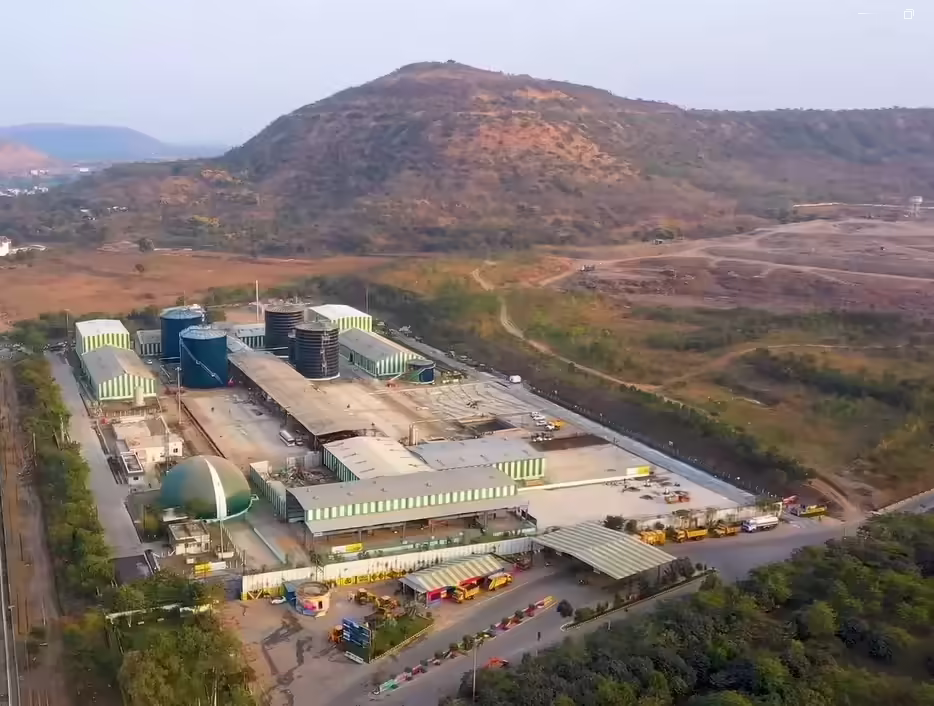
The development of waste-to-energy has picked momentum. Installed capacity grew from 0.17 GW in FY21 to 0.31 GW in FY25 driven by policy frameworks focused on minimizing usage of landfills and generating power from urban waste.
The government is providing strong support. It has launched the National Bioenergy Programme and the biomass co-firing policy. It also offered financial incentives and long-term off-take arrangements.
Nonetheless, the growth in bioenergy capacity is still modest. Installed capacity has grown from 10.53 GW in FY21 to 11.58 GW in FY25 resulting in only 2.24% CAGR. Moreover, the growth is slower compared to solar and wind capacities.
Challenges remain. Supply chain issues are present. Availability of biomass is seasonal. Costs related to logistics remain high. According to the report, these structural factors may limit further deployment of bioenergy facilities. It will also need to contend with falling solar and wind tariffs.
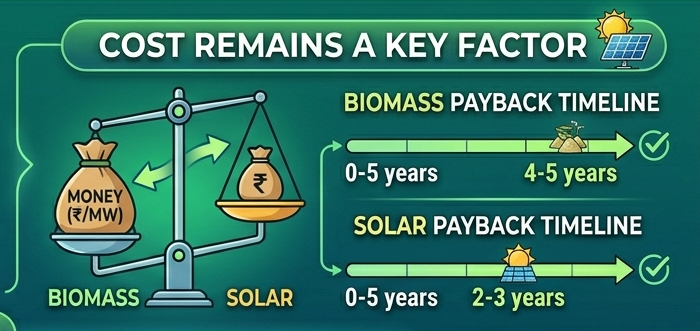
Cost remains a key factor. Biomass power plants require higher investment at ₹6.9–7.4 crore per MW, compared to about ₹4.5 crore per MW for solar. However, biomass projects recover costs faster, with a payback period of four to five years.
Investments are expected to rise significantly. Funding requirements may increase to ₹58.7 billion in FY30 from ₹50.6 billion in FY25 indicating rising interest among investors.
Bioenergy offers substantial overall benefits. It can stop stubble burning, reduce carbon emissions, increase farmers’ income, and generate decentralized energy in rural areas. However, the gap between capability and execution is significant. Bioenergy’s potential lies in its execution.
Reference- MNRE website, Financial Express, Press Information Bureau, Economic Times, Mercom India