



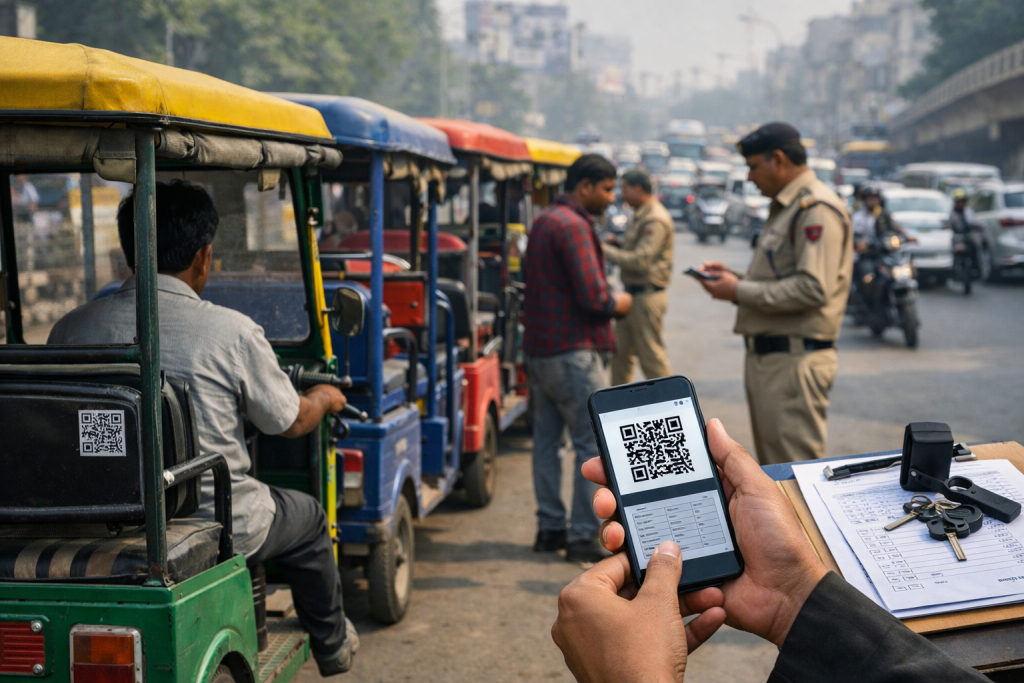
India’s cities are crowded. Roads are packed. Electric rickshaws are everywhere. Yet they have long operated without strict regulation. Now that is changing. States and cities are moving to make registration mandatory for all electric rickshaws. This is a key shift in policy and intent.
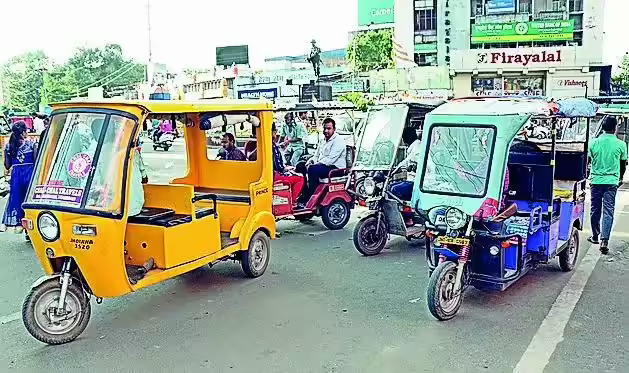
For years, these vehicles were exempt from formal rules. As a result, they filled a gap in urban transport. In turn, they offered cheap, low-emission rides for workers and commuters alike. But lack of formal oversight also brought issues. Over time, safety concerns and traffic problems grew. At the same time, many drivers lacked licenses. In many cases, vehicles went unregistered. As a result, enforcement remained weak across several states.
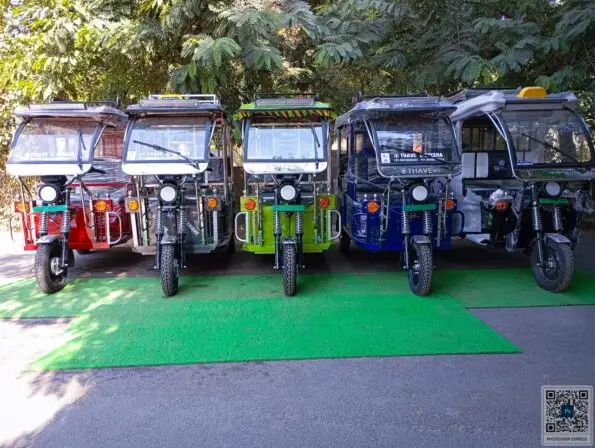
In West Bengal, the state has led this push. As a result, it now requires all e-rickshaws to obtain a digital enrollment number by a fixed deadline. The process uses an online portal and QR codes to track and monitor vehicles. Meanwhile, district officials identify unregistered rickshaws and take action against unsafe or illegal units.
Delhi’s transport department is also acting. Authorities have proposed a short window for unregistered owners to complete registration. The aim is to balance road safety with livelihoods. In smaller cities, similar trends are visible. Traffic police in places like Kanpur and Indore are also tying e-rickshaw movement to digital codes and designated zones. It is part of a broader attempt to reduce congestion and improve commuter data.
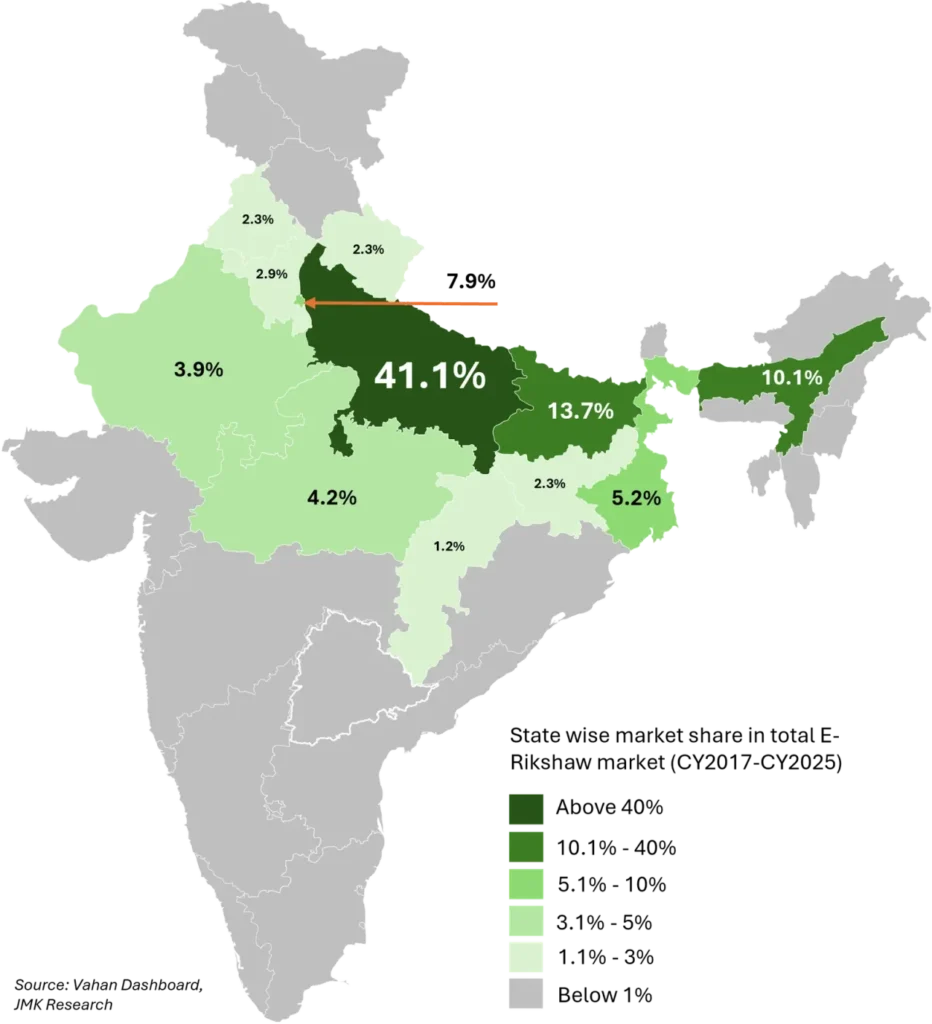
Yet challenges remain. Across India, the rate of registration varies sharply by state. In some regions, compliance is high. In others, it is almost absent. Meanwhile, low incentives and high fees create hurdles to full registration.
This shift is about more than numbers. It represents a new chapter in clean mobility. Registered vehicles become traceable. Insurance access improves. Authorities enforce safety. Regulators update rules. In turn, cities can shape transport systems that are greener and more orderly.
India’s electric rickshaw fleet is poised to grow. If registration becomes universal, the benefits may be silent but deep. A cleaner, safer, and more sustainable transport future could be closer than it looks.
Reference- JMK Research, The Times Of India,The Week, Business Standard