




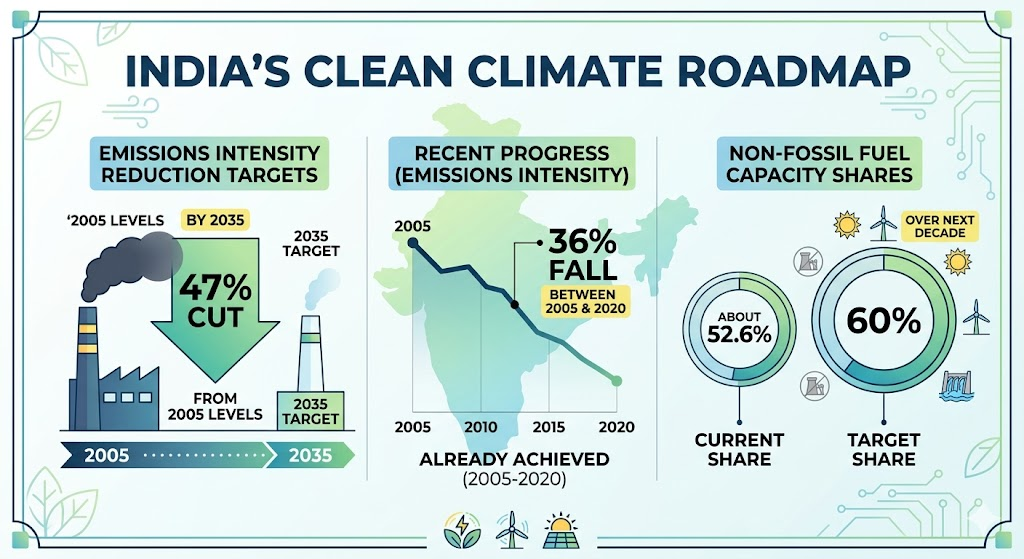
India has set a new climate target to cut emissions intensity by 47% from 2005 levels by 2035, sharpening its commitments under the Paris Agreement. The move reflects a calibrated approach that balances economic growth with decarbonization.
The updated pledge builds on earlier progress. Emissions intensity had already fallen by 36% between 2005 and 2020, according to government data. This trend has been driven by renewable energy expansion and efficiency gains across sectors.
Officials said the strategy will focus on scaling clean power. India aims to raise the share of non-fossil fuel capacity to 60% over the next decade, up from about 52.6% currently. Solar and wind are expected to lead this shift, supported by grid upgrades and policy incentives.
However, analysts describe the new target as “conservative”. While intensity will fall, absolute emissions are still rising due to economic expansion. India remains one of the fastest-growing major economies, and energy demand continues to increase.
The distinction is critical. Emissions intensity measures pollution per unit of GDP, not total emissions. This allows countries like India to grow while improving efficiency. Yet global climate goals depend on reducing absolute emissions over time.
India has defended its position by highlighting equity concerns. Per capita emissions remain significantly lower than those of developed nations. The government argues that historical emitters must take greater responsibility in cutting global emissions.
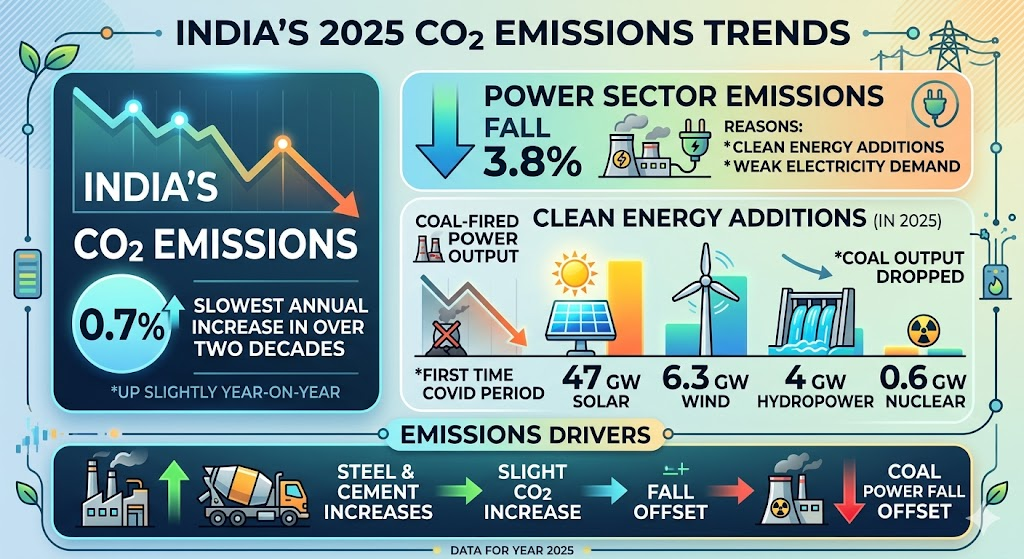
Recent data suggests progress is already underway. India’s carbon emissions grew by just 0.7% in 2025, the slowest pace in over two decades, helped by rising clean energy capacity and weaker power demand.
Looking ahead, projections from the Central Electricity Authority indicate that clean energy could account for nearly 70% of power generation by 2035. If achieved, this would mark a structural shift in the country’s energy mix.
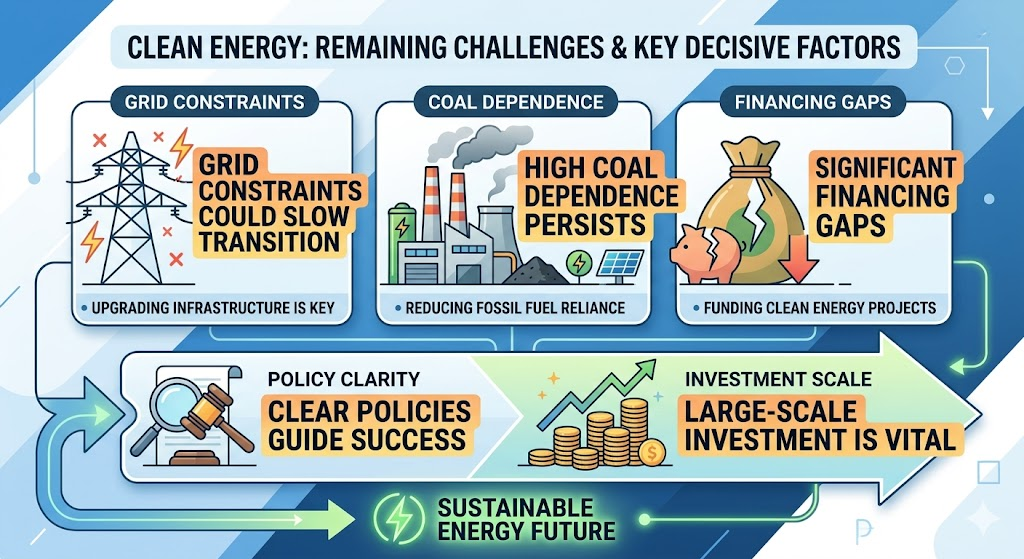
Still, challenges remain. Grid constraints, coal dependence, and financing gaps could slow the transition. Policy clarity and investment scale will be decisive in determining outcomes.
India’s updated target sends a clear signal. The country is willing to accelerate its climate efforts, but on terms aligned with development priorities.
Reference- Reuters, The Economic Times, Carbon Brief, World Resource Institute