




India’s journey towards electric vehicles (EV) is creating opportunities and challenges, especially for Environmental, Social, and Governance (ESG) stakeholders in the areas of sustainability, infrastructure, and customer adoption.
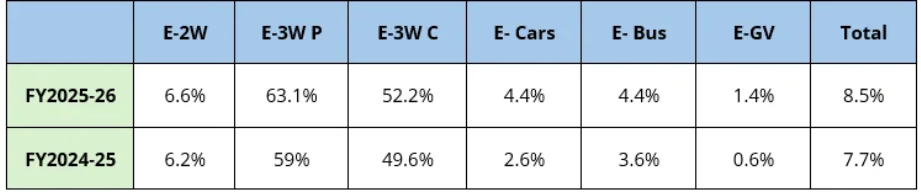
A new report indicates that the EV market share for the fiscal year of 2025-2026 is 8.5%, an increase from 7.7% from the previous fiscal year. This positive growth trend illustrates the potential for EVs in India, despite the challenges.
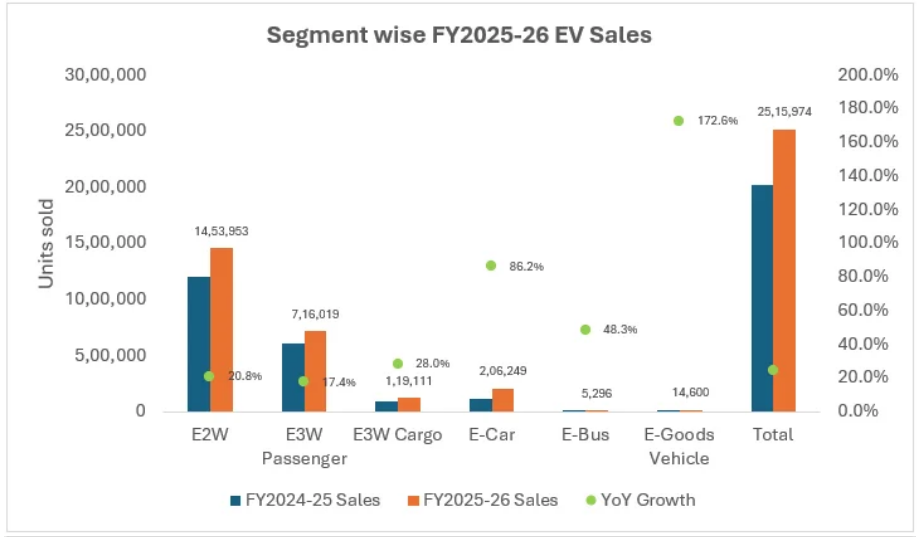
Over the last fiscal year (2026), India EV sales crossed 2.4 million units, growing by 23% year on year. This growth is driven by two-wheeler sales as they are more affordable and have higher adoption rates.
Passenger electric vehicles are lagging. EV penetration for cars is around 5%. This is largely due to the limited availability of chargers at the consumer’s destination.
Government incentives have played a critical role in the widespread adoption of EVs. This is in the form of tax breaks, subsidies, and increases in fuel prices. This has driven consumer behavior toward electric vehicles.
EV adoption is a behavioral change. Consumer attitudes toward electric vehicles depend more on their comfort and confidence in the technology than on price. Studies reveal that EV adoption increases with the provision of social and community engagement.
India still lags behind other global markets. In new car sales, Norway and some other markets have an EV penetration level of over 90%. This highlights their opportunity and challenges worldwide.
Market development is taking place in parallel. More charging stations are being built, more automakers are making the necessary investments, and new players are entering the market. These trends will sustain growth over the next few years.
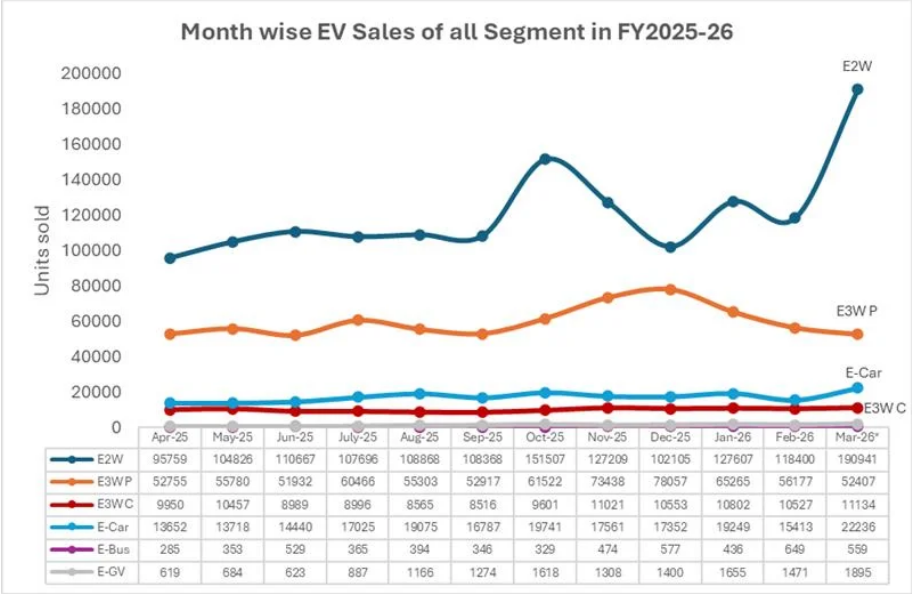
India is also in a hyper-growth phase, however growth alone isn’t sufficient. Initiatives must improve infrastructure, strengthen grid readiness, and boost consumer literacy to drive EV adoption. Initial gains are clear. The next phase will determine if the transition can scale and if developed countries are no longer the only ones to have an EV penetration level of 90%.
Reference- JMK Research & Analytics, EVreporter, The Times of India, Cornell University