



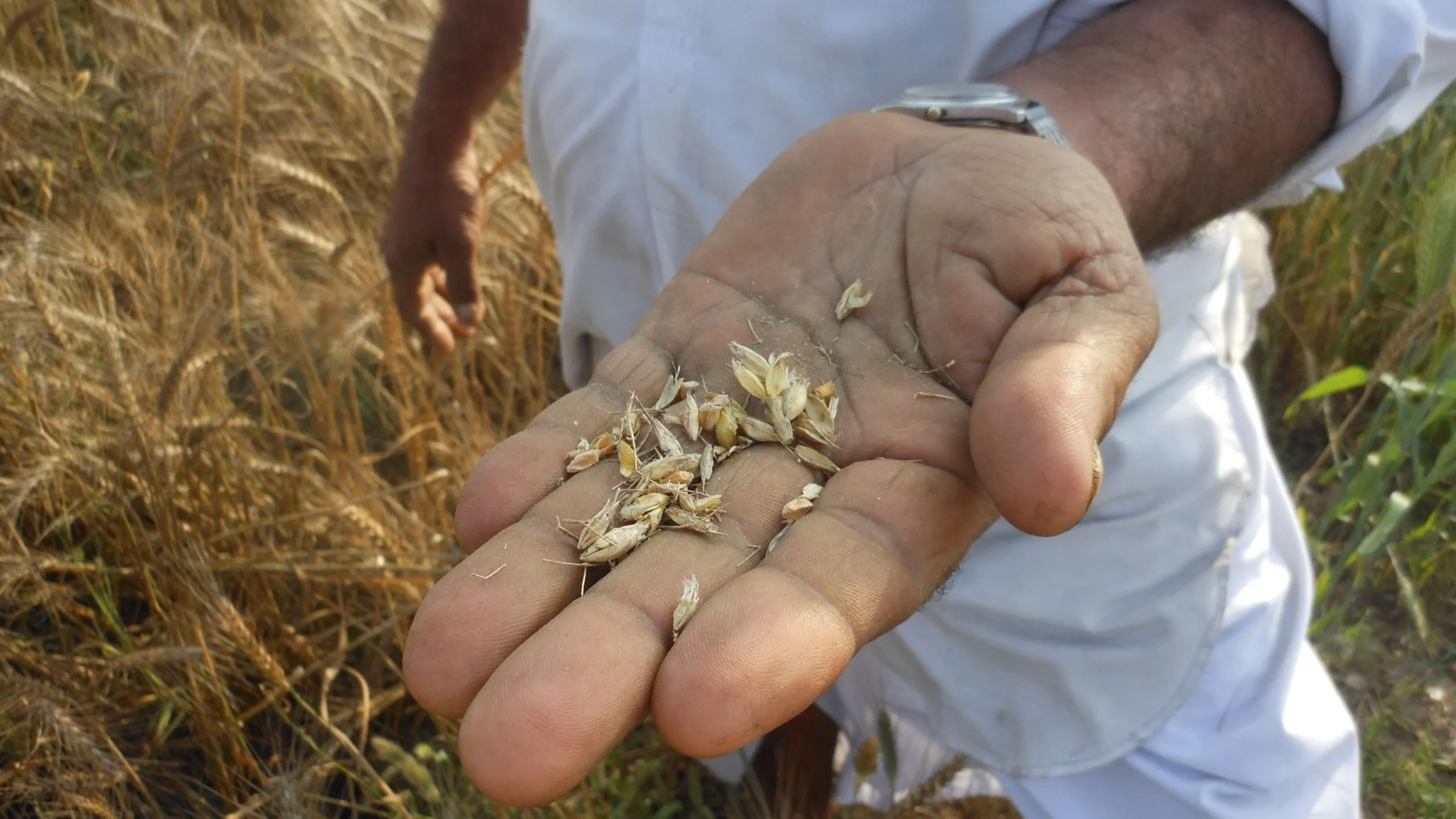
India faces growing risks to food security as global temperatures rise, with climate shocks expected to disrupt food availability, affordability and nutrition, according to recent research.
A study by International Institute for Environment and Development (IIED) shows India ranks among the most vulnerable large economies to food insecurity under warming scenarios. Its food security score, currently 5.31, is already below the global average of 6.74.
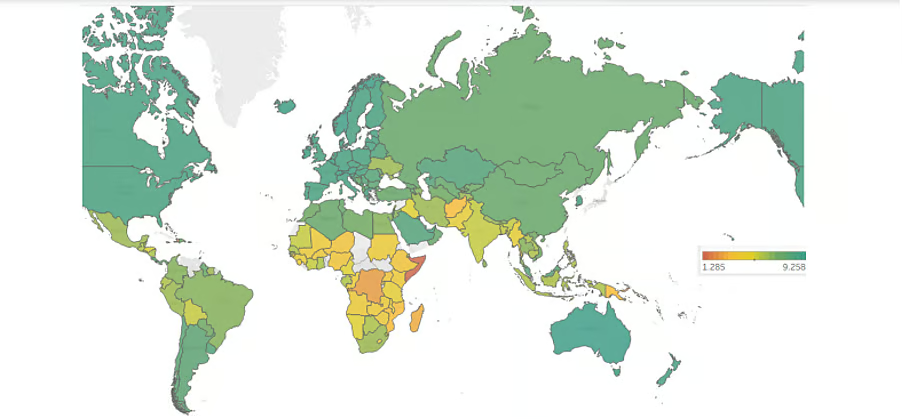
The outlook worsens with rising temperatures. The score is projected to fall to 4.96 at 1.5°C warming and further to 4.52 at 2°C, highlighting deep structural risks.
Climate change to disrupt food systems
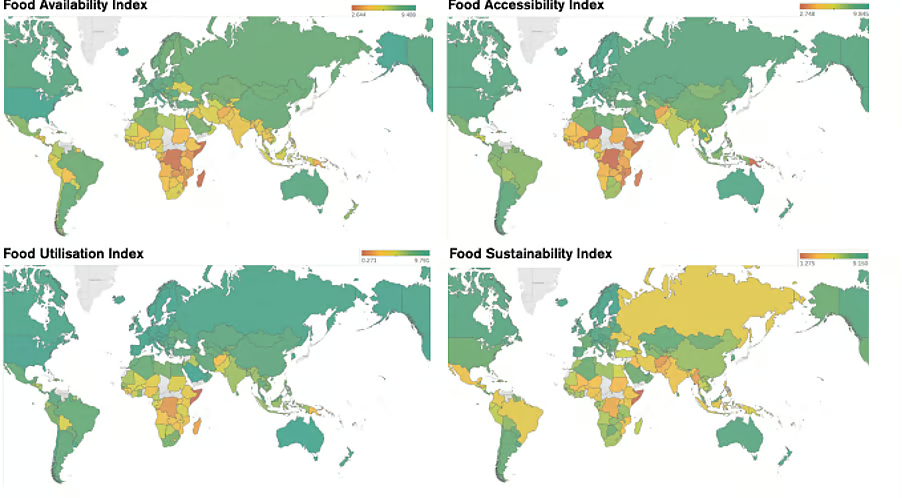
Rising heat is expected to impact crop yields, supply chains and food prices. Climate-driven shocks will affect both production and access. The study assesses four pillars of food security:
- availability,
- access,
- nutrition and
- system resilience.
It finds that sustainability remains the weakest link globally. Lower-income regions, including South Asia, face the sharpest declines. The gap between rich and poor nations is likely to widen.
Billions already at risk globally
Food insecurity is already widespread. Around 4.56 billion people, or nearly 59% of the global population, live in countries below the average food security score. At 2°C warming, an additional 291 million people could fall into food insecurity.
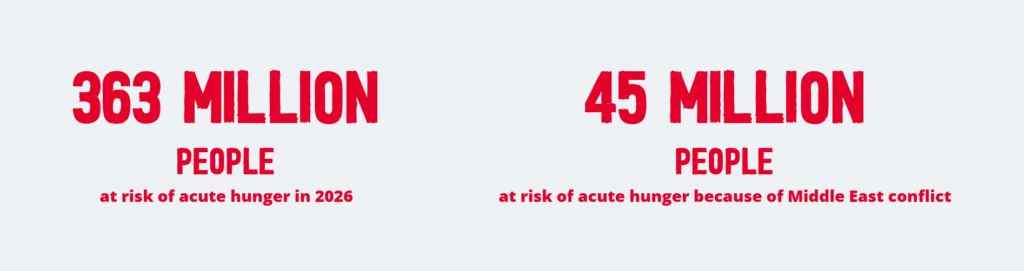
The World Food Program estimates 363 million people are at risk of acute hunger in 2026, reflecting a worsening global crisis.
Economic growth alone may not be enough
The study highlights limits of economic growth in addressing hunger. Each $1,000 increase in per capita GDP improves food security by only about 0.2 points on average. However, gains are uneven. Improvements in access do not translate into stronger resilience against climate shocks.
India’s own hunger indicators reflect this challenge. The country’s Global Hunger Index score of 25.8 remains in the “serious” category.
Interconnected global risks
Food systems are increasingly interconnected. Disruptions in one region can trigger global price volatility and supply shortages. Experts warn that climate instability in key agricultural zones will have cascading effects across economies.
Conclusion
India’s food security challenge is entering a more complex phase. Rising temperatures, combined with structural vulnerabilities, could strain food systems further. Policy focus must shift toward resilience, not just production. Without adaptation measures, climate change could reverse gains in food access and nutrition.
Reference- Down To Earth, Global Hunger Index, World Food Program