



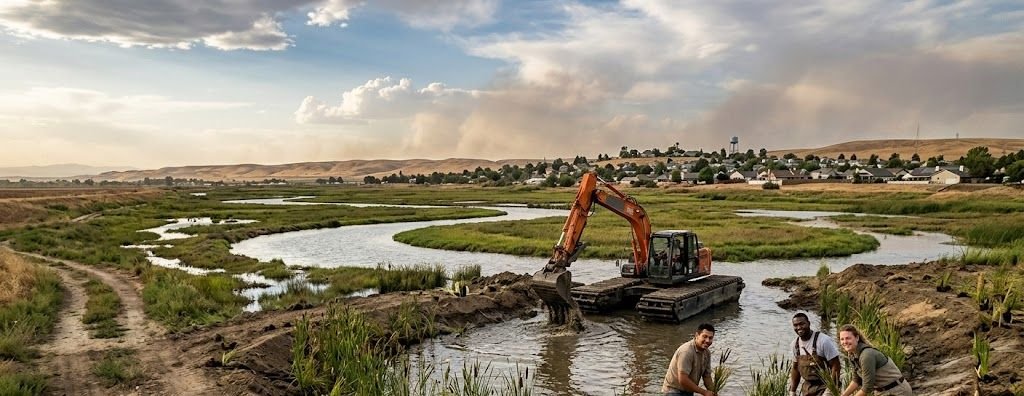
Restoring rivers and wetlands is emerging as a critical climate and economic strategy, according to a 2026 report by World Wide Fund for Nature. The report says large-scale freshwater restoration can deliver strong social, environmental, and financial returns.
Freshwater ecosystems remain under severe stress. The world lost over one-third of its wetlands in the past 50 years, making them among the fastest disappearing ecosystems globally. WWF notes that nearly 2 billion people depend directly on rivers for drinking water.
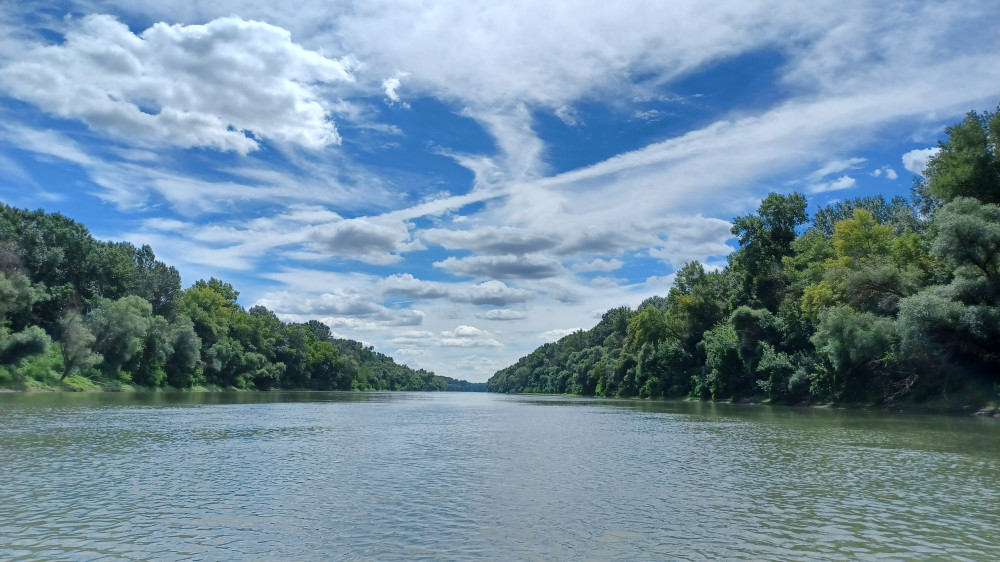
The report highlights that wetlands and floodplains act as natural climate solutions. They store carbon and help regulate water flows. As a result, landscapes can shift from emitting greenhouse gases to absorbing them. Flood risks are also reduced. Drought resilience is improved.
Economic gains are significant. WWF estimates that restoration can lower costs by reducing reliance on hard infrastructure such as dams and embankments. Ecosystem management creates jobs. Agriculture and fisheries also benefit from improved water systems.
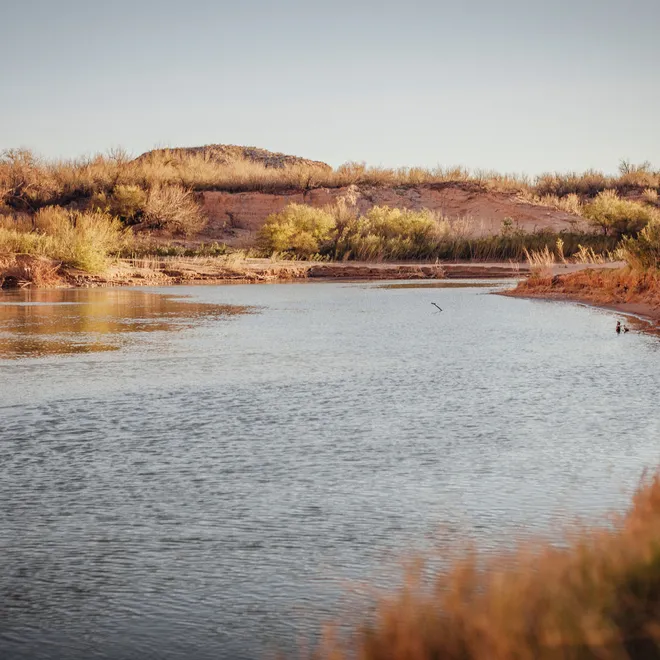
Global momentum is building through initiatives like the Freshwater Challenge, which aims to restore hundreds of thousands of kilometers of rivers and millions of hectares of wetlands by 2030.
India presents both a challenge and an opportunity. The country faces rising water stress and extreme weather events. According to government estimates, nearly 600 million Indians face high to extreme water stress. Wetlands in India are also shrinking due to urbanisation and pollution.

However, efforts are underway. Programs such as Namami Gange Program focus on river rejuvenation and pollution control. Authorities have strengthened wetland conservation rules in recent years.
Experts say scaling restoration is essential for India’s climate goals. Healthy rivers can support agriculture, reduce flood damage, and improve groundwater recharge. This is critical as the country balances development with sustainability.
The WWF report concludes that restoration must move faster and at scale. Without urgent action, water security risks will intensify. With it, countries like India can unlock long-term resilience and economic growth.
Reference- World Wildlife Fund Report, National Geographic, Namami Gange Program,