



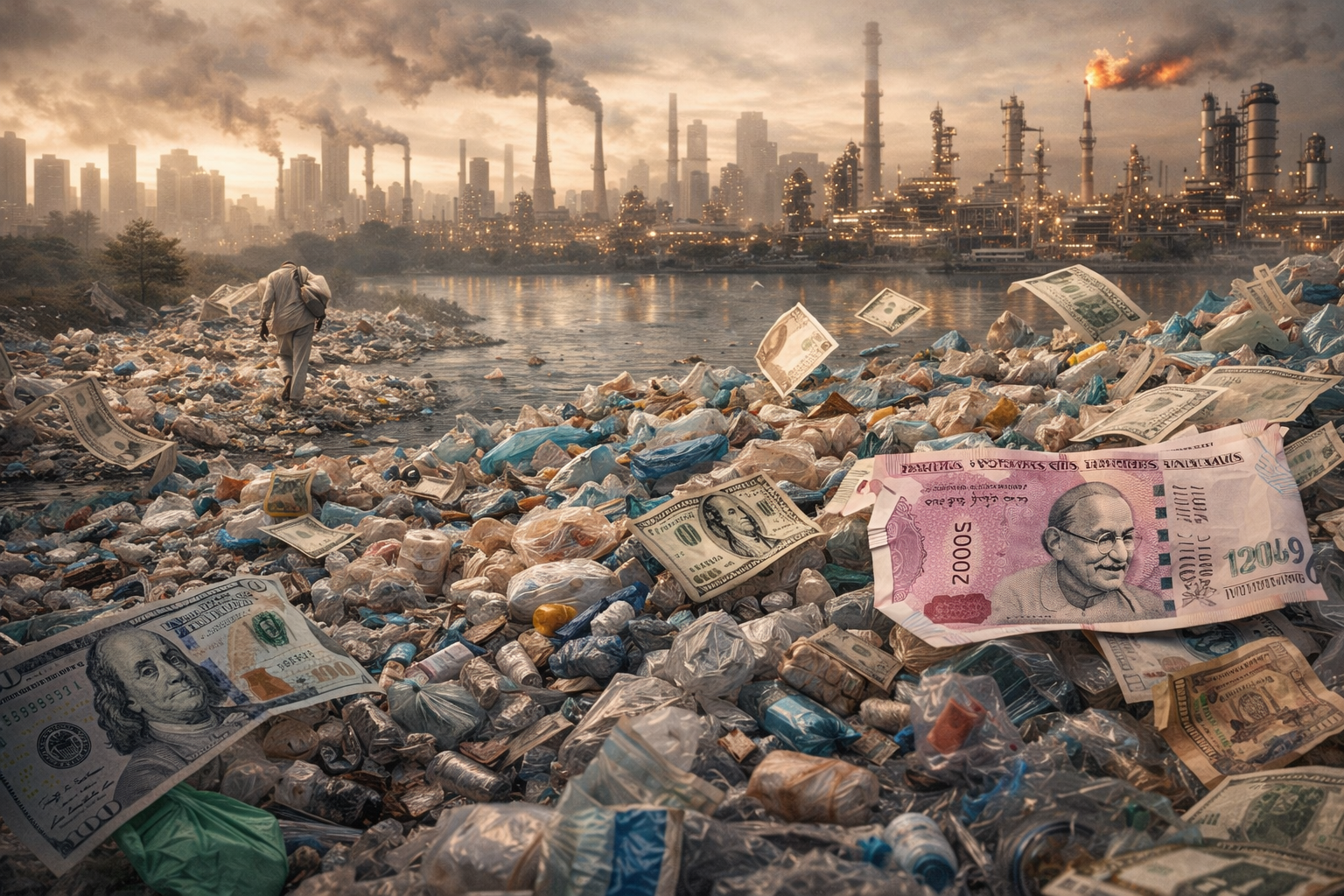
Global finance is quietly underwriting a plastics boom. The consequences may reach far beyond the United States. A new report warns that the risks are rising, and emerging economies like India could feel the impact.
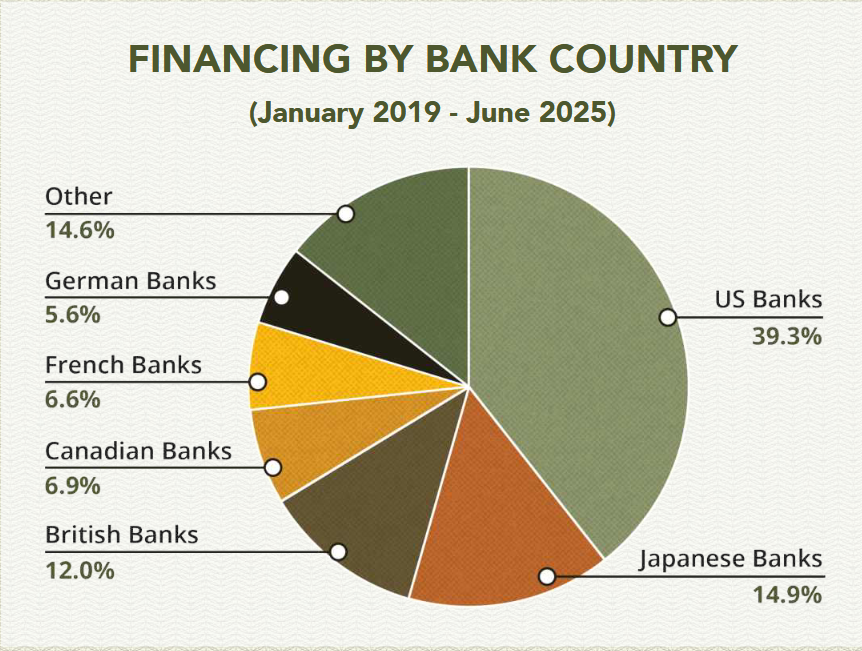
According to a March 2026 report , major banks have poured $133 billion into U.S. petrochemical expansion since 2019. The funding supports plastics, fertilizer, and chemical projects. Many are located in already polluted communities.
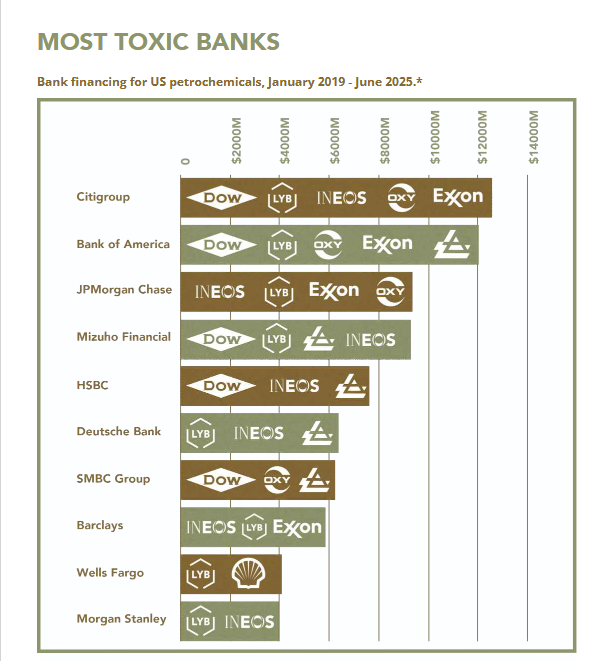
The report identifies leading financiers, including global banking giants. It states that these investments continue “despite growing evidence” of environmental and financial risks.
The scale of exposure is even larger. Institutional investors held more than $1.6 trillion in companies driving petrochemical expansion by 2025. This suggests systemic risk. It also signals long-term lock-in to fossil fuel-based industries.
Petrochemicals are central to plastic production. Global environmental assessments show that fossil fuels produce over 90% of plastics. As demand grows, emissions and pollution rise alongside it.
Health concerns are mounting. Chemicals linked to plastics, such as PFAS or “forever chemicals,” persist in the environment. Researchers have linked these chemicals to cancer, fertility issues, and immune disruption. In the United States, contaminated water may expose over 200 million people.
The financial risks are also becoming clearer. Analysts warn of potential legal liabilities and cleanup costs. One sustainability expert noted that chemical pollution could become “uninsurable” over time.
For India, the warning is timely. The country is expanding its petrochemical capacity to meet rising demand for plastics and packaging. At the same time, it is battling severe plastic waste and air pollution crises.
The concern is simple. If global capital continues to back petrochemicals, developing markets may follow the same path. Infrastructure built today could lock in decades of emissions and waste.
Yet, alternatives exist. Therefore, experts argue that finance can be redirected toward circular economy solutions. For example, these include recycling systems, biodegradable materials, and reuse models.
Policy will decide the outcome. Strong regulation, disclosure norms, and green finance incentives are needed. Without them, the shift away from plastics may be delayed.
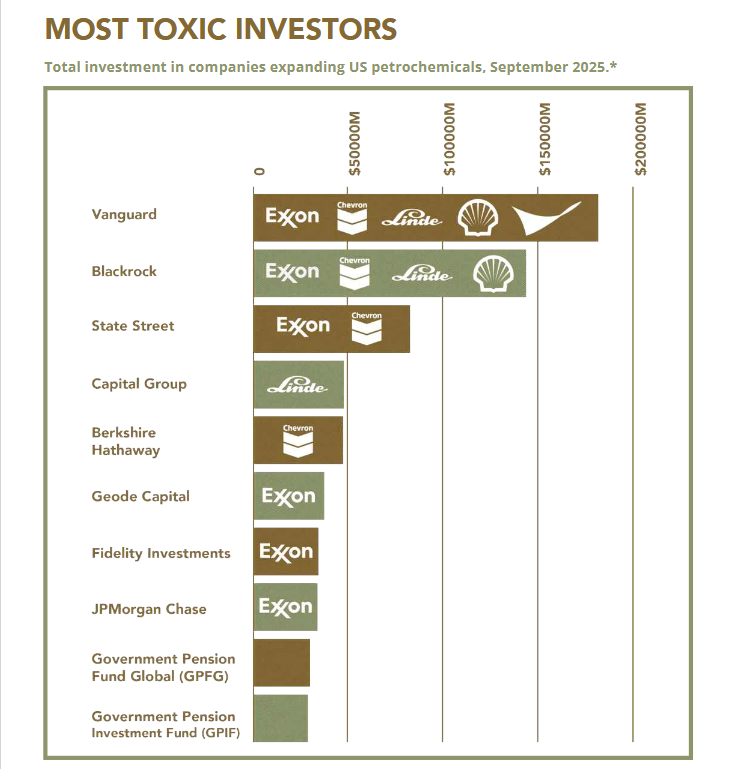
The report delivers a clear message. The plastics crisis is not only an environmental issue. It is a financial one. India, like many emerging economies, now faces a choice. Follow the same capital flows—or change course before the costs become irreversible.
Reference- Toxic Finance: The Banks and Investors Funding the Expansion of Petrochemicals in the United States, Wikipedia, Reuters, Break Free From Plastic and partners, Geneva Environment Network