




Electric vehicles (EVs) are widely seen as cheaper to run than petrol cars. Yet adoption remains uneven. New data suggests that cost savings alone are not enough to drive mass consumer shift.
The Fiscal Argument: Cheap to Run
Data indicates that electric vehicles offer a substantial reduction in operational expenses. According to a 2025 report by Team Autopunditz, running an EV in India costs approximately ₹1.2 to ₹1.5 per kilometer. In contrast, internal combustion engine (ICE) vehicles demand ₹6 to ₹9 per kilometer.
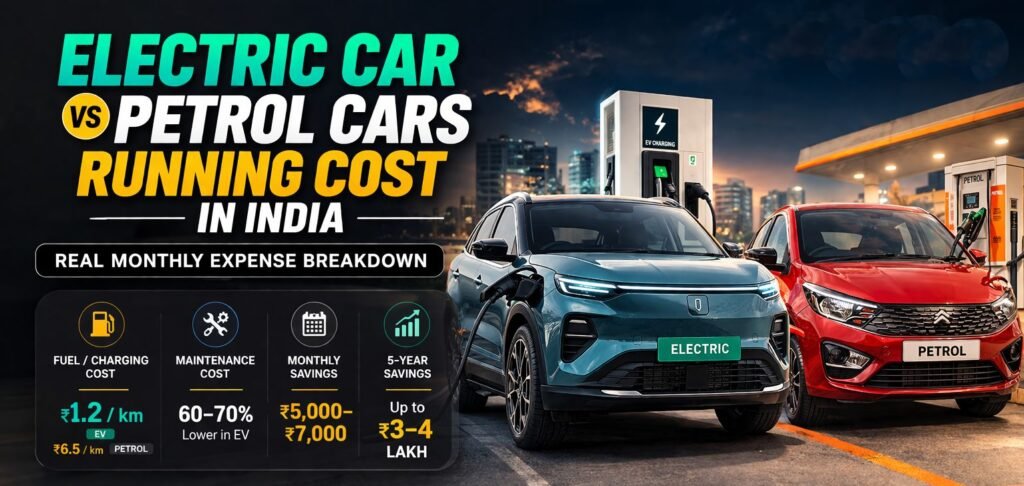
The International Energy Agency (IEA) notes in its Global EV Outlook 2025 that battery prices fell by over 25% in 2024. This drop has brought several Chinese EV models to price parity with petrol cars. Maintenance is also simpler. EVs lack oil filters, spark plugs, and complex exhaust systems. Consequently, annual maintenance costs for EVs are nearly 25% lower than their ICE counterparts.
The Barrier: High Entry and Low Resale
If running costs are low, why is adoption slow? The primary hurdle is the sticker price. PwC’s 2024 eReadiness study found that 60% of prospective buyers are unwilling to spend more than $45,000 (approx. ₹37 lakh) on an EV. In most markets, only 14% of available models fall within this affordable bracket.
Furthermore, resale value remains a concern. PwC analysis suggests that EVs depreciate two to three times faster than traditional cars. This volatility is driven by rapid technological shifts, which make older battery tech obsolete quickly.
Infrastructure and “Range Anxiety”
Infrastructure readiness is the final piece of the puzzle. While the NITI Aayog has recommended “saturation programs” for Indian cities, public charging remains sparse. The IEA predicts that public charging points must increase sixfold by 2035 to support mass adoption.
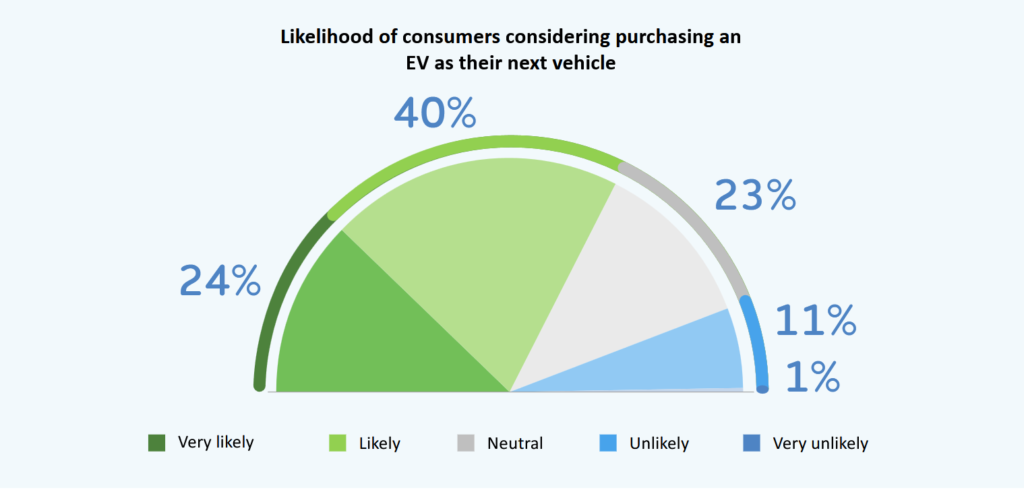
Transitioning to a green future requires more than just low fuel bills. It demands a robust second-hand market and a reliable charging grid. Still, long-term demand remains strong. A global survey by Tata Consultancy Services found that 64% of consumers are likely to consider an EV for their next purchase. This indicates sustained interest, even as short-term barriers persist.
Reference- Reuters, NITI Aayog, PwC’s 2024 eReadiness study, International Energy Agency (IEA), ayvens report