



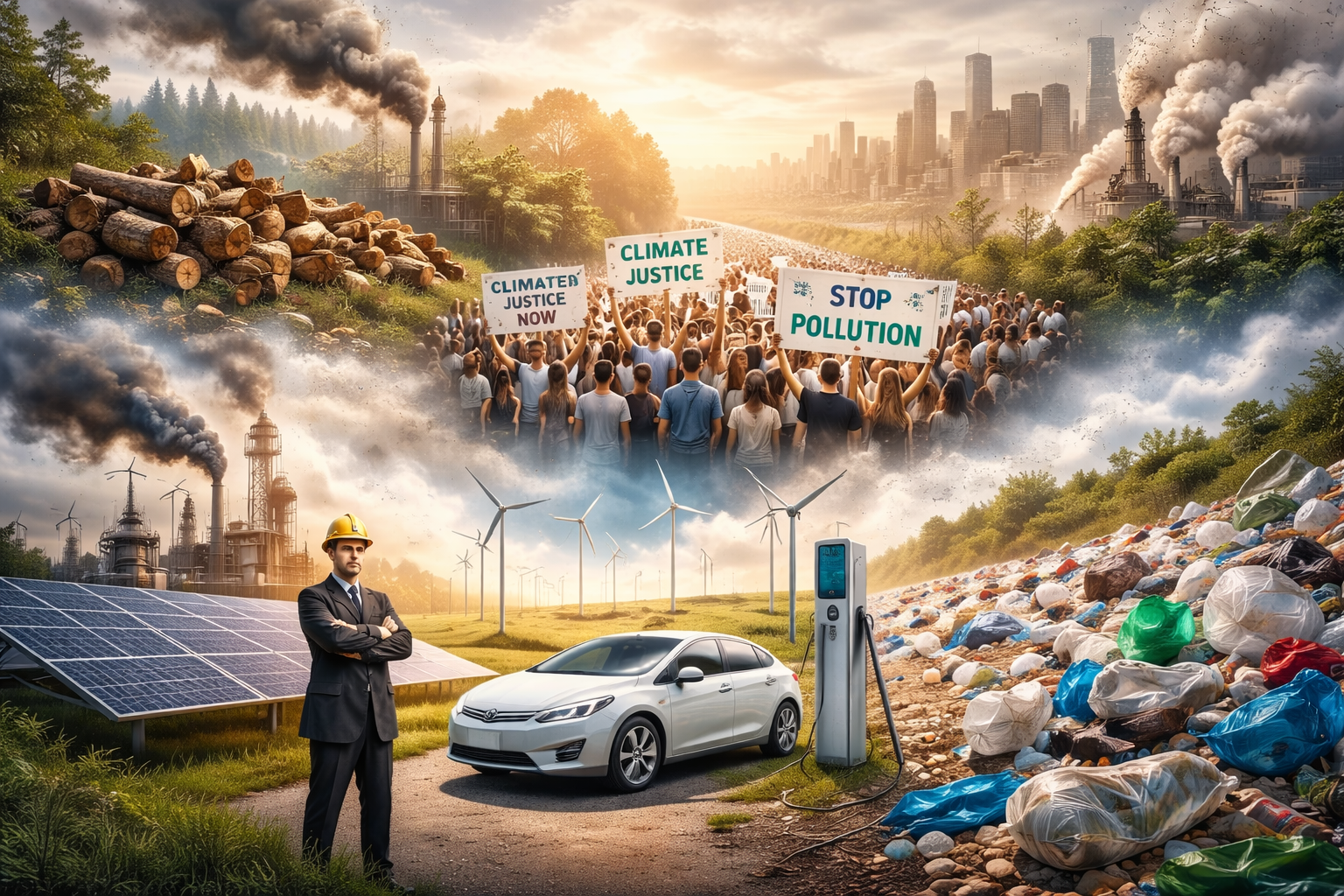

Misleading myths distort public understanding of environmental topics and slow climate action and sustainability. A recent analysis identifies six prevalent misunderstandings shaping the environmental conversation. According to experts, they have dire consequences as they postpone action from policymakers and discourage public participation in environmental matters.
The first myth simplifies environmentalism into “saving trees”. However, its importance is far-reaching. For example, air pollution causes about one fifth of all deaths around the world.
Another myth is that environmental activists are “out-of-touch elites”. This is far from the truth. In fact, grassroots activism helped establish the modern environmental justice movement. One of the earliest cases was a 1982 mass protest in North Carolina against racial discrimination in pollution-related issues.
Sustainability means sacrificing comfort is another prevalent notion. In reality, experts say renewable energy and electric cars—two of the movement’s most important technologies—aim to improve quality of life while reducing environmental harm..
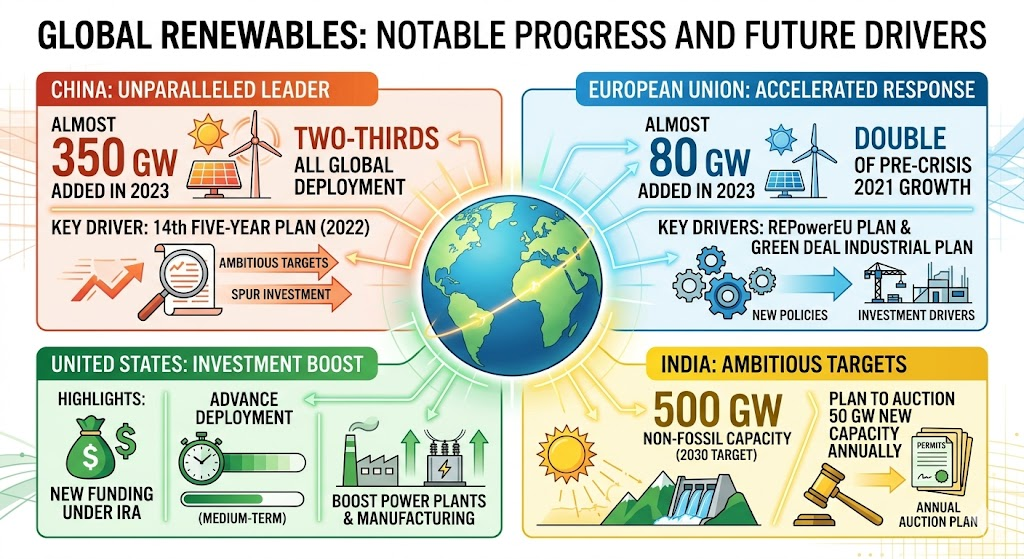
Economics remains the main concern among critics of the environmental movement. While many claim that the protection of the planet is detrimental for economy, statistics proves otherwise. In 2025, renewables outpaced coal as the source of electricity generation for the first time. Approximately 91% of new renewable projects cost less than fossil fuels, according to global calculations.
Critics claim that the shift toward sustainability is associated with sacrifices in life quality. But many alternatives that people should adopt are more cost-effective. For example, using energy-efficient household appliances cuts the electricity bill significantly, and electric cars save money in the long run on fuel costs.

But perhaps the most detrimental myth is that individual action does not influence anything. Statistics says otherwise – when about a quarter of people start doing something, social tipping happens, triggering change on the larger scale.
This is supported by the bigger environmental picture as well. From the mid-fifties until today, humans have produced 8.3 billion metric tons of plastic worldwide. About 79% of all plastic ends up in landfills or the natural environment.
Experts say industries that resist change often create myths to protect their own interests. It is obvious that for policymakers, accurate messaging about environmental matters is as important as the development of technologies.
Reference- Earth Day Network, National Institutes of Health, Reuters, IEA website