



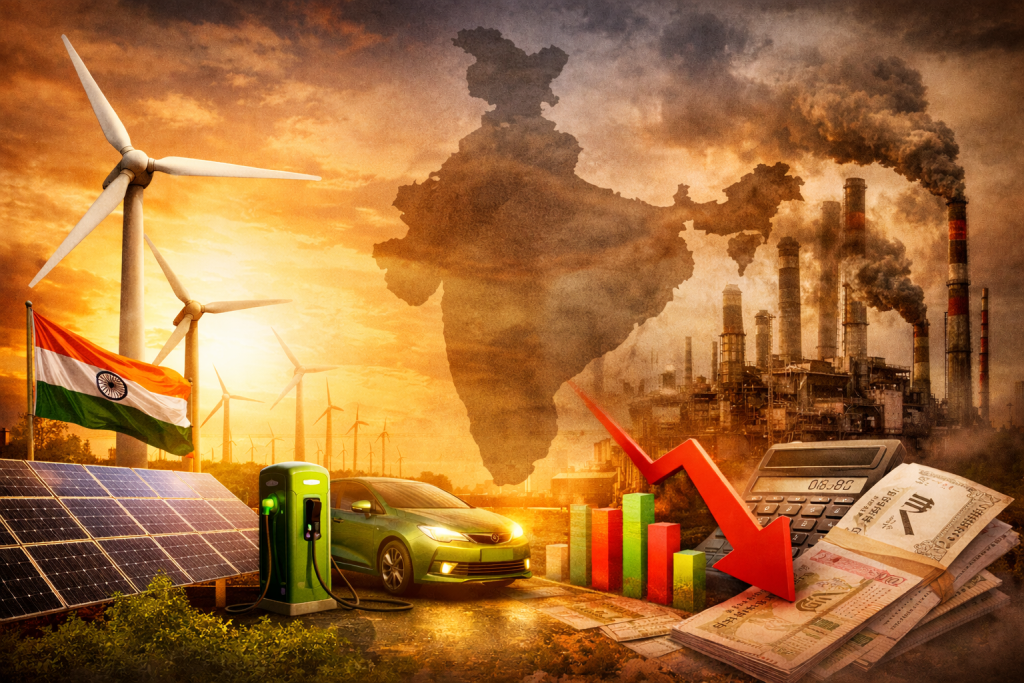
India’s renewable energy transition has hit a new stride. The nation added a record amount of clean power capacity in 2025. Nearly 50 GW of renewable energy was installed, backed by about ₹2 trillion in investment, government sources said. The shift is large. Non-fossil fuel capacity now accounts for more than half of total installed electricity capacity. India reached that milestone years ahead of its 2030 Paris Agreement target.
However, energy planners warn future growth must be more strategic. The focus is now on storage, grid reform, and manufacturing. A recent business briefing urged the finance ministry to design the next decade of clean energy policy in Budget 2026.
Budget 2026 was presented on 1 February 2026 by Finance Minister Nirmala Sitharaman. The overall fiscal plan emphasized growth and reform, with higher capital spending and incentives for technology. Reuters noted support for green initiatives among the broader measures.
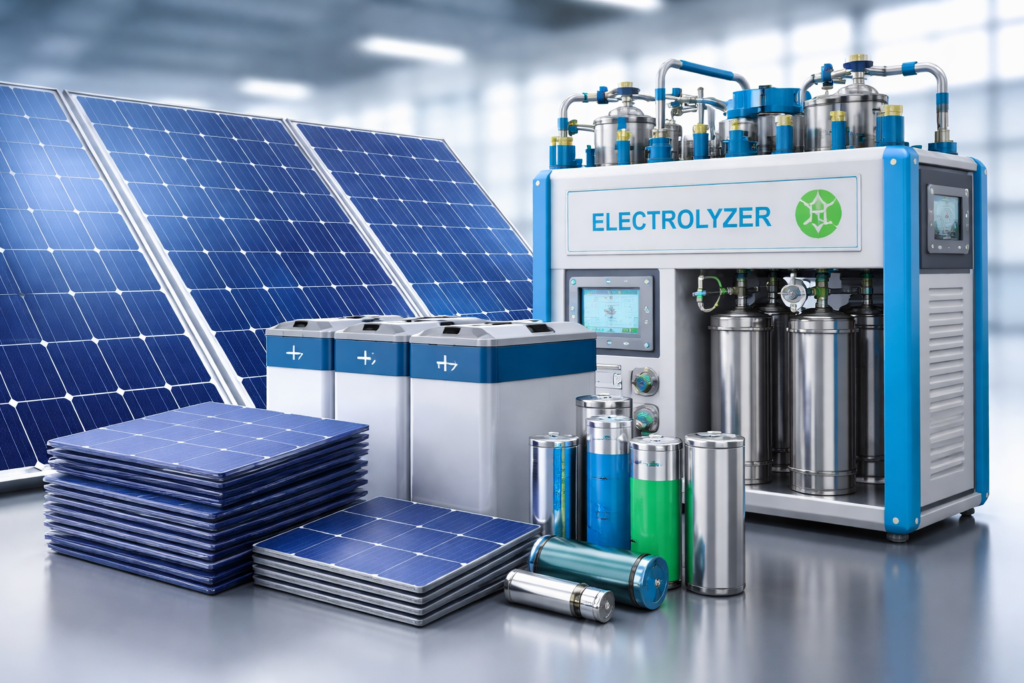
Industry advocates want clear signals on grid integration and storage solutions. Battery energy storage systems are seen as essential for reliable power delivery. Without them, intermittent solar and wind production will strain networks. Manufacturing has become a central pillar. India aims to scale up production of solar modules, cells, batteries, and electrolyzers. This could reduce import dependence and strengthen exports.
At the same time, India’s rooftop solar programs have expanded. Millions of homes now receive subsidized panels and lower bills. These efforts are reinforcing distributed generation. Yet hurdles remain. Land acquisition delays and financing costs still constrain many projects. Experts said Budget measures should target these bottlenecks to sustain momentum.
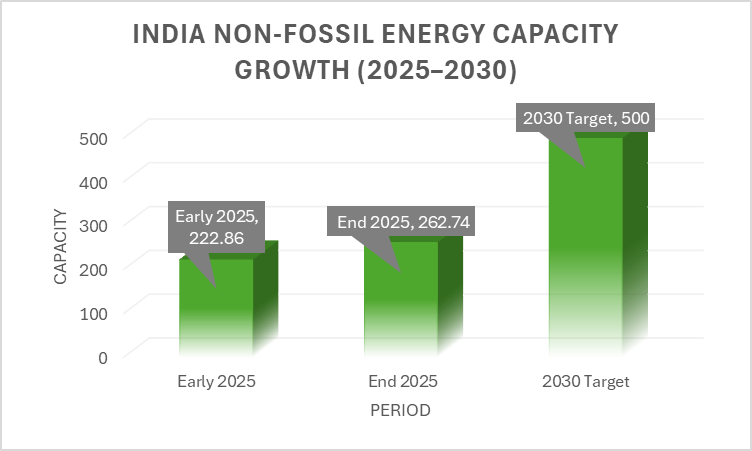
India’s targets are ambitious. It aims for 500 GW of non-fossil capacity by 2030 and net-zero emissions by 2070. The clean energy ecosystem is deepening but Budget policy must make it bankable.
Reference- Times Of India, Reuters, Economic Times, CNBC TV18