



India’s commercial and industrial (C&I) renewable energy market is shifting fast. What began as a cost-saving strategy is now evolving into a core energy security play for corporates.
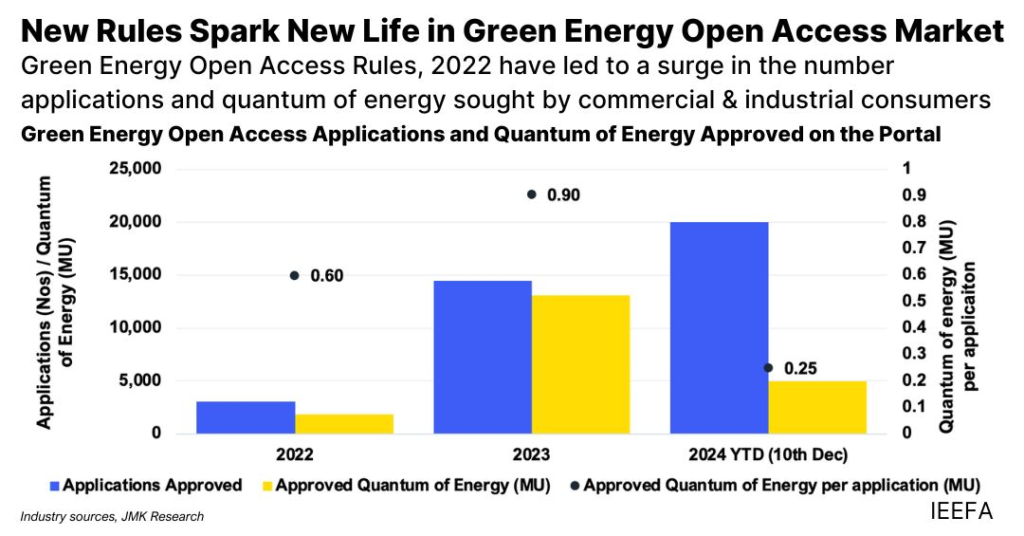
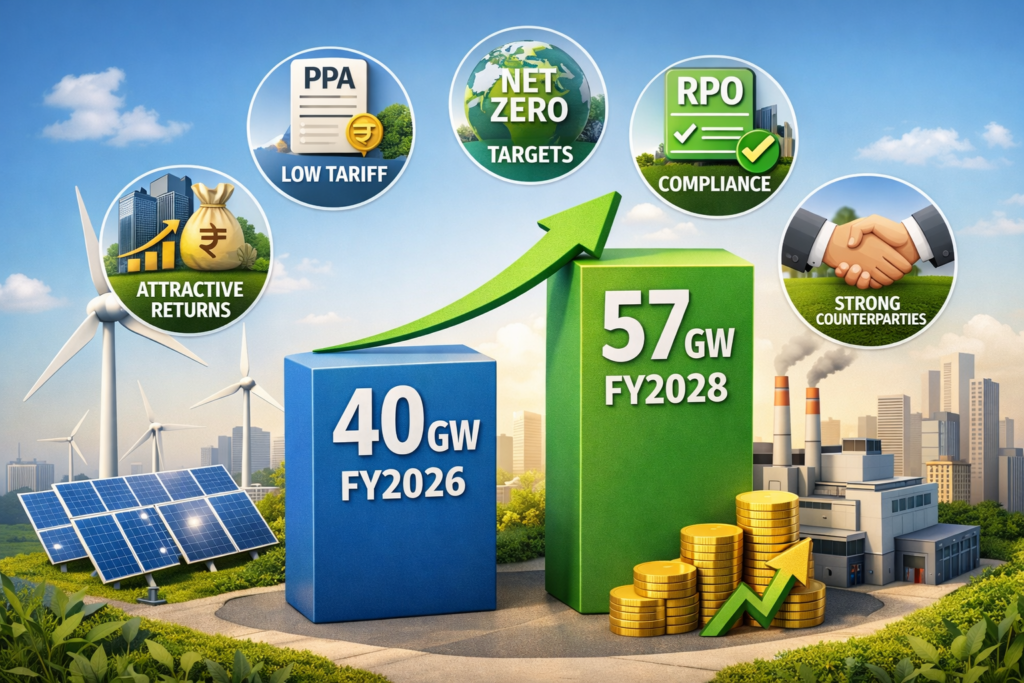
C&I renewable capacity is expected to reach 57 GW by FY2028, up from around 40 GW by FY2026, according to CRISIL Ratings. This growth is driven by lower tariffs, net-zero commitments, and policy support such as Green Energy Open Access rules. Renewable power can already be 25–30% cheaper than grid tariffs for industrial users.
Why procurement is getting more complex
Procurement structures have become layered. Earlier, rooftop solar or simple open access PPAs were enough. Now, companies must evaluate interstate policies, transmission risks, and evolving state regulations. Transmission bottlenecks and policy uncertainty remain key risks to project execution.
Additionally, industries with continuous operations—steel, cement, and data centers—require reliable power, not just cheap power. Variable renewable generation has forced companies to rethink procurement strategies.
Corporate PPA stress and renegotiations
Delays in PPA signing and execution are emerging across the sector. Around 40–45 GW of renewable capacity is still awaiting signed PPAs, highlighting contracting stress.
Renegotiations and exits are also rising as market tariffs evolve and regulatory frameworks shift. This increases counterparty and pricing risks for developers and buyers.
Storage becomes critical
Energy storage is moving from optional to essential. It addresses the mismatch between renewable generation and industrial demand. Storage ensures peak power availability and grid stability.
ICRA notes that storage adoption is crucial as renewable energy’s share in India’s power mix could exceed 35% by 2030.
Rise of RTC and firm renewable power
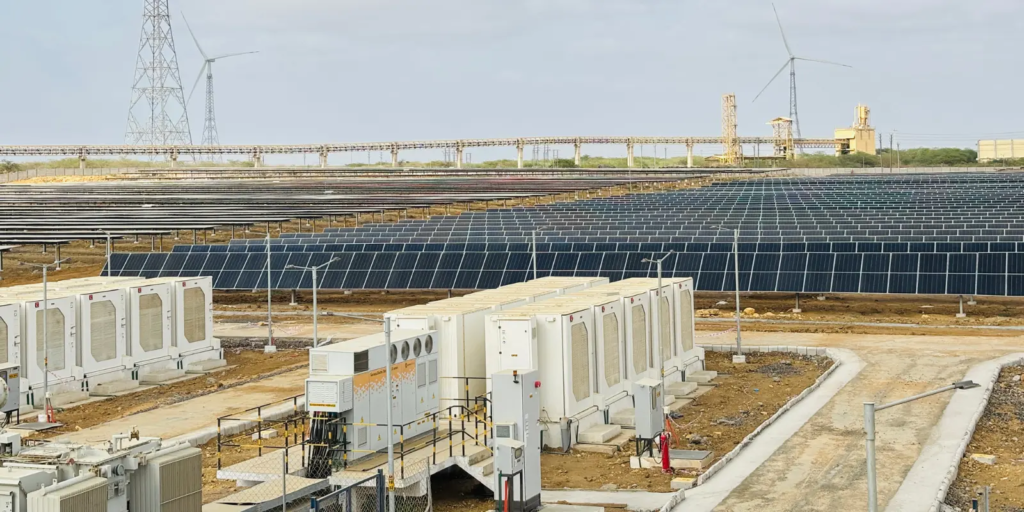
Round-the-clock (RTC) and firm dispatchable renewable energy (FDRE) models are gaining traction. These combine solar, wind, and battery storage to deliver consistent supply. For example, hybrid projects are being structured to meet up to 80% of hourly demand through load-following PPAs. This marks a shift from intermittent supply to reliability-focused clean energy solutions.
Supply chain and execution challenges
The sector still faces supply chain constraints. Delays in modules, inverters, and batteries affect project timelines. Transmission infrastructure gaps and land acquisition issues further slow deployment.
Conclusion
C&I renewables in India are entering a new phase. Cost advantage alone is no longer enough. Reliability, flexibility, and contractual certainty now define success. Companies that adapt to this complexity will gain long-term energy security.
Reference- CRISIL rating, PV Magazine India, Times of India, Gentari