


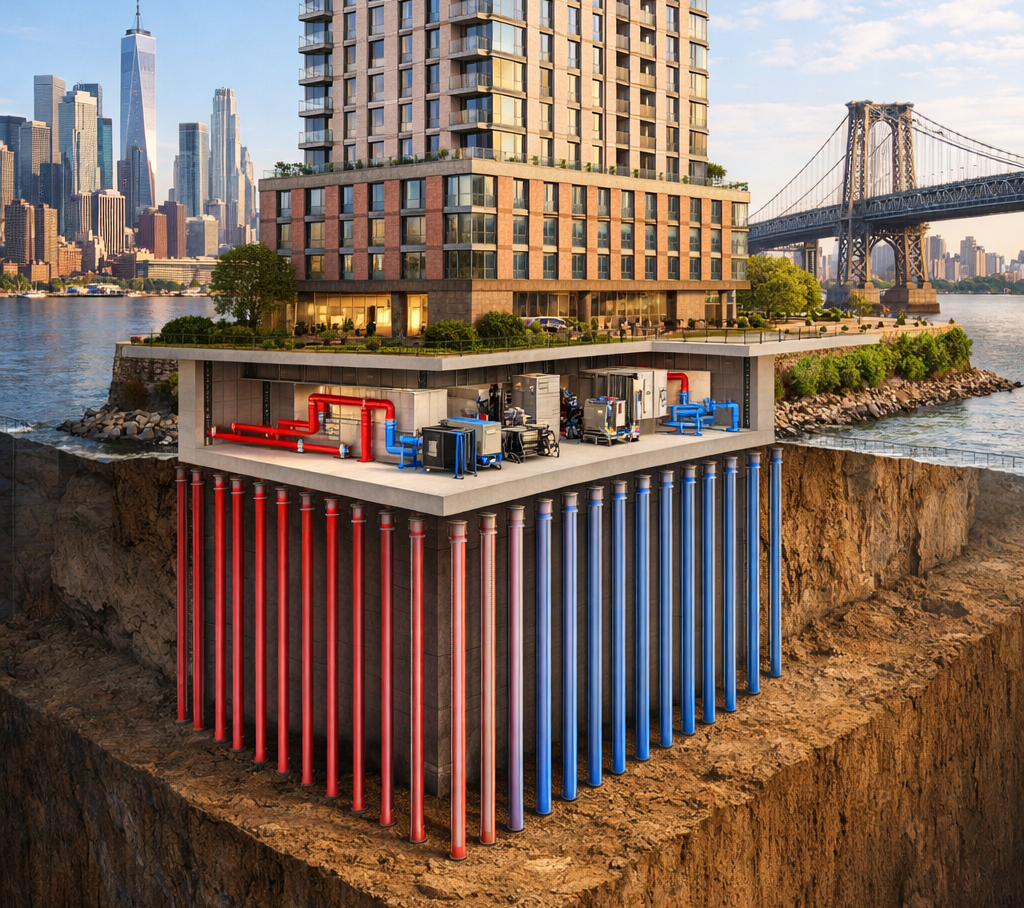
A new high-rise in Brooklyn is charting a quieter path to urban decarbonization.The tower sits above 320 geothermal boreholes drilled deep beneath its foundation. The design replaces fossil-fuel heating and cooling with ground-source energy. Scientific American detailed the project in a recent report..

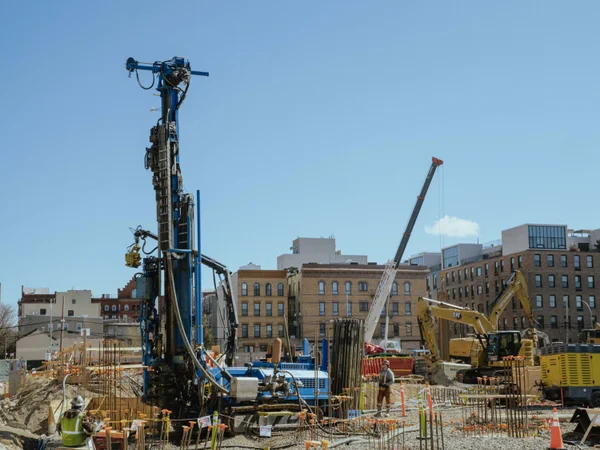
The building rises on a challenging waterfront site in Brooklyn, New York City. Engineers drilled hundreds of vertical wells before the superstructure advanced. The system exchanges heat with stable underground temperatures year-round. It reduces emissions. It eliminates the need for gas lines.
These 320 boreholes form one of the largest geothermal arrays integrated into a residential high-rise in North America. The system supports space heating, cooling, and hot water. Electricity powers the heat pumps. As grids get cleaner, building emissions fall further.

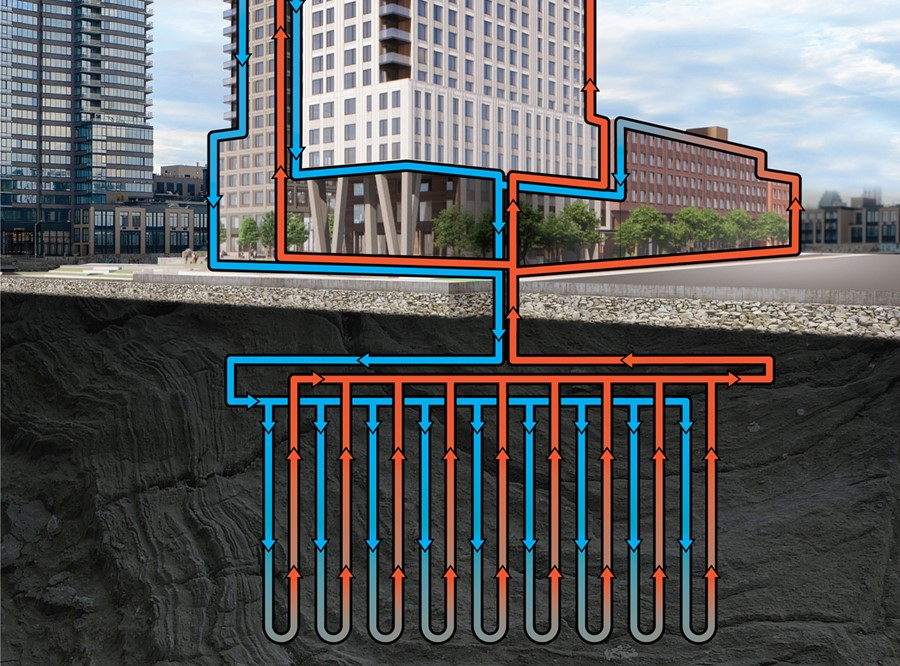
High-rises drive a large share of urban energy demand. Boilers and chillers still dominate most towers. They burn gas. They vent heat. Retrofitting dense buildings is complex. However, new construction allows deeper integration. Foundations can double as energy infrastructure. That shift changes the economics.
Waterfront engineering adds risk. Because soil conditions vary, engineers integrate flood resilience into the design. To prevent contamination, they mapped and sealed the borefield to protect groundwater. In addition, they placed equipment above projected flood lines. Meanwhile, teams monitor performance in real time.

Developers say operating costs should stabilize over time. Fuel price volatility is avoided. Maintenance loads are lower than for combustion systems. Tenants benefit from quieter mechanical rooms and improved air quality. Carbon is not emitted on site.
The blueprint matters beyond one skyline. For example, cities from Boston to Toronto face similar density and climate pressures. Geothermal scales without rooftop clutter. As a result, it preserves façade design. Moreover, it complies with strict local building codes. Policymakers are watching the early data closely.
Large geothermal fields can anchor all-electric towers as states tighten emissions rules. While urban decarbonization often focuses on solar and wind, buildings must follow. Deep geothermal beneath dense towers shows how. The boreholes remain invisible. However, the impact is not.
Reference- Scientific American, AOL, Reddit, Facebook