


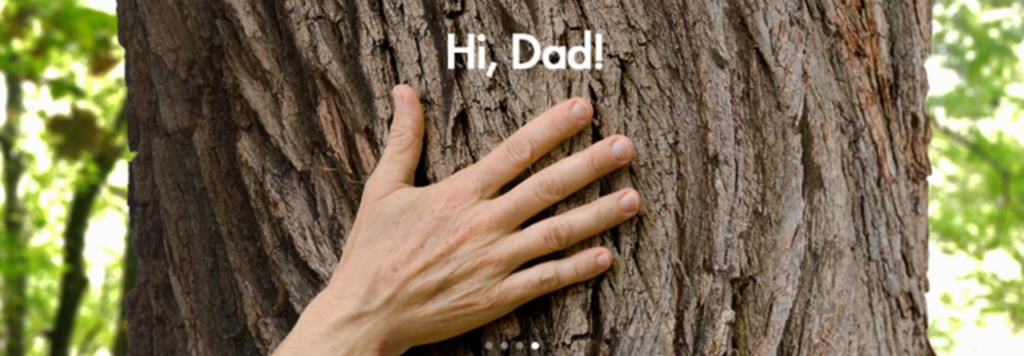
A growing number of people are seeking environmentally friendly funeral options as awareness of human impacts on the planet rises. Traditional burial and cremation can have significant environmental impacts. For example, cremation releases nitrogen oxides and other greenhouse gases, similar to driving thousands of kilometres in a car. People now question whether death can be kinder to the Earth.

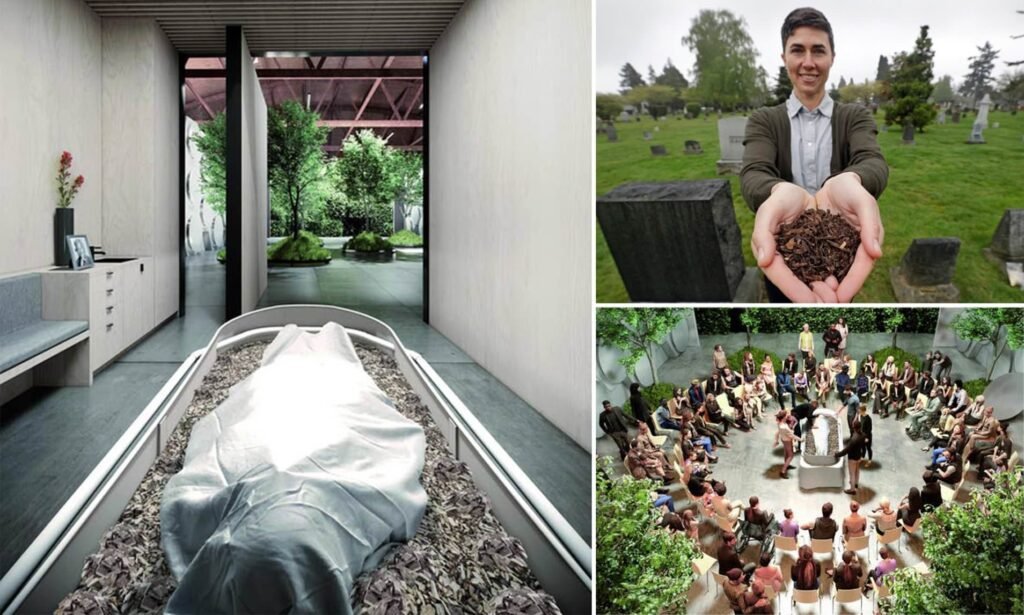
In recent decades, eco-funeral options have expanded in Western countries. These include natural burials, alkaline hydrolysis (water cremation), and human composting techniques such as natural organic reduction. Natural burials avoid embalming and non-biodegradable materials, allowing bodies to decompose and return to the soil. Alkaline hydrolysis uses heated water and alkali to dissolve remains with lower emissions. Human composting turns bodies into humus over weeks.
Proponents market these options as ways to reduce carbon footprints, nourish ecosystems, and create meaningful connections with nature. They often use powerful language about returning to the cycle of life and becoming part of thriving soil or forests. These narratives can help people find comfort in the idea of death as “ecological renewal.”
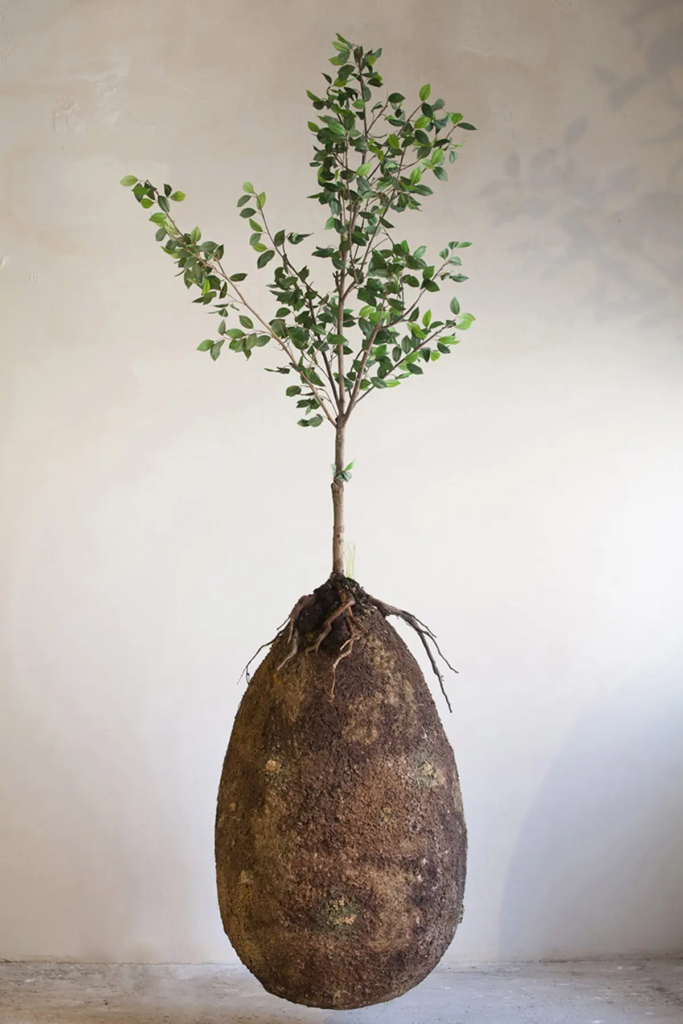
However, closer scrutiny reveals limitations and uncertainties. Many eco-funeral providers make bold environmental claims that are not backed by transparent data. Some technologies, like mushroom-pod burials that feed trees, remain largely symbolic or unproven in practice. Even the most promoted methods, such as alkaline hydrolysis or composting, remain available only in limited regions, and regulators govern them differently across jurisdictions.

Furthermore, existing scientific research on the environmental footprint of different funeral practices is sparse. Only a few life-cycle studies exist, and most rely on outdated data or narrow geographic scopes, which limits their relevance elsewhere. Researchers also overlook hidden impacts, such as emissions from transporting bodies, funeral goods, and mourners, in many environmental calculations.
Ultimately, while green funerals offer meaningful alternatives to some, they are not a simple solution to environmental problems. Scientific evidence remains limited, and claims often outpace data. A genuine ecological approach to death will require better research, clear regulation, and systemic reform rather than appealing imagery alone.
Reference- Aeon Newsletter, mdpi, Capsula Mundi website, planetmark.com report