


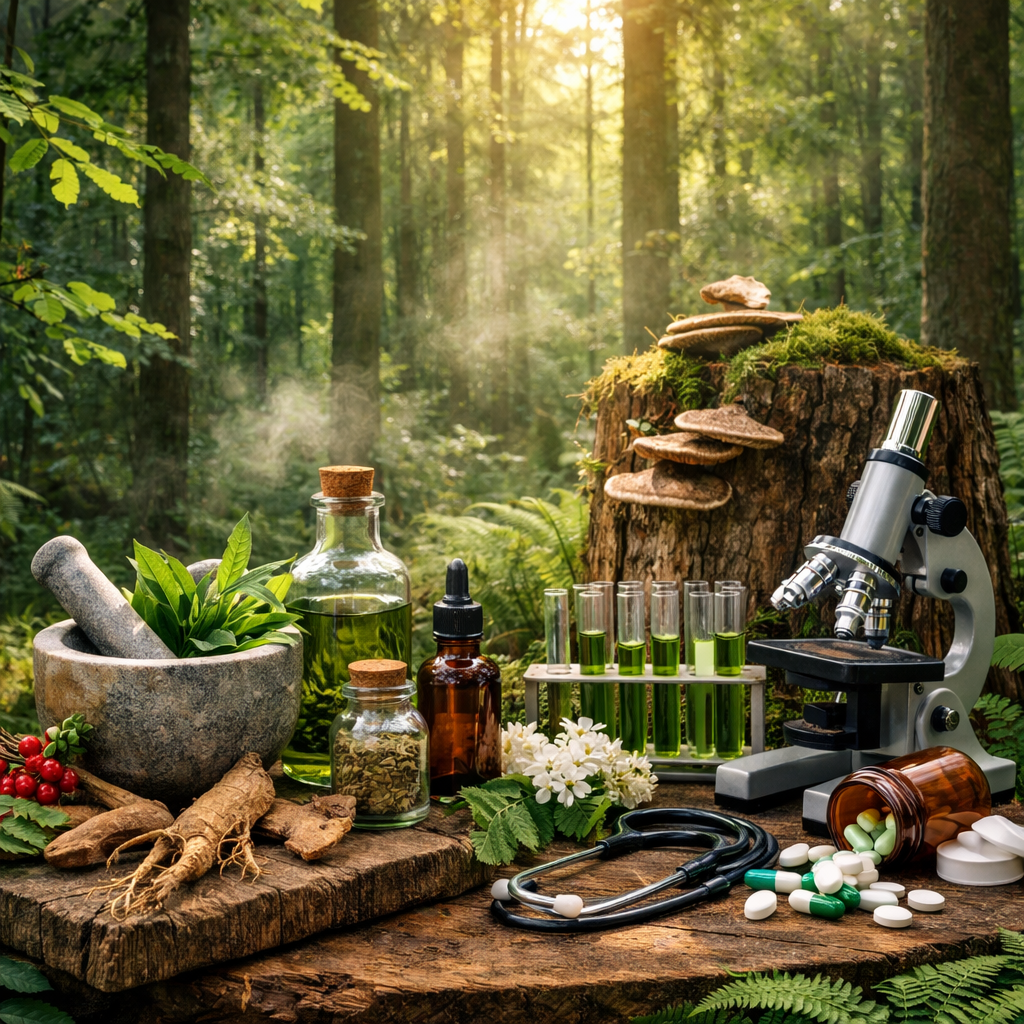
Forests have long served as humanity’s first pharmacy. Scientists still mine forests for compounds that save lives. Around 11 percent of essential medicines listed by the World Health Organization originate in flowering plants, according to conservation groups.
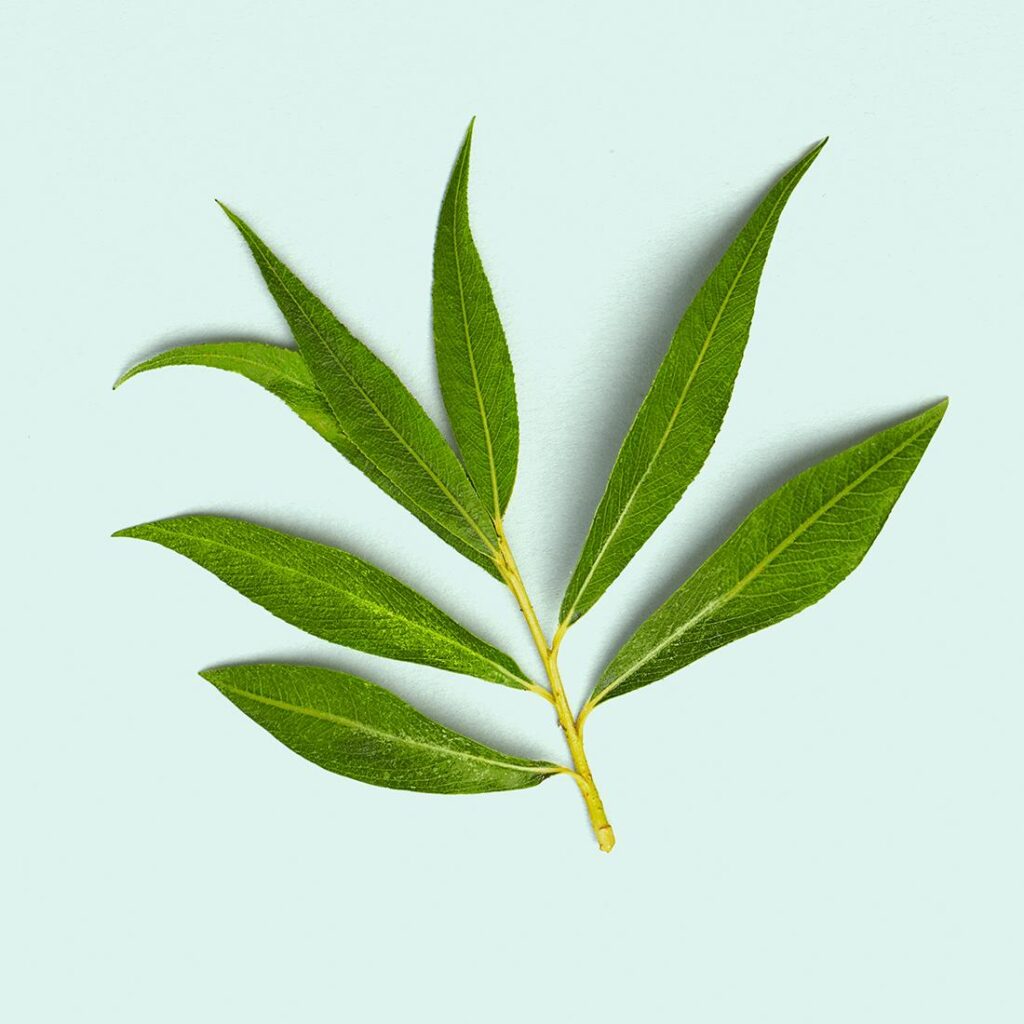
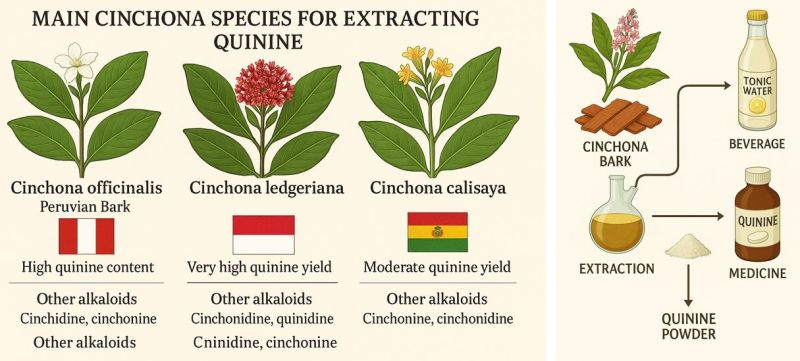
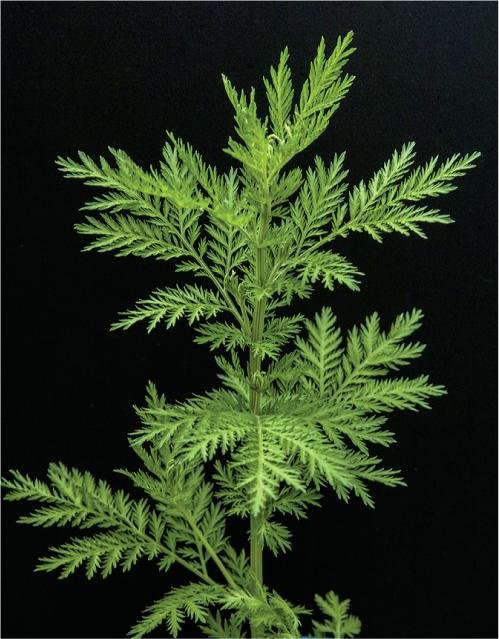
The link between biodiversity and medicine remains direct. Willow bark led to aspirin, now a global pain reliever. Cinchona bark delivered quinine, the first modern antimalarial. Sweet wormwood produced artemisinin, a Nobel Prize-winning breakthrough.
Cancer drugs also trace roots to trees. Paclitaxel from the Pacific yew is on the WHO essential medicines list. Scientists found it after screening thousands of plant extracts. “More than half of all medicines come from natural compounds,” Earth Day Network said. It warned that deforestation threatens undiscovered cures.

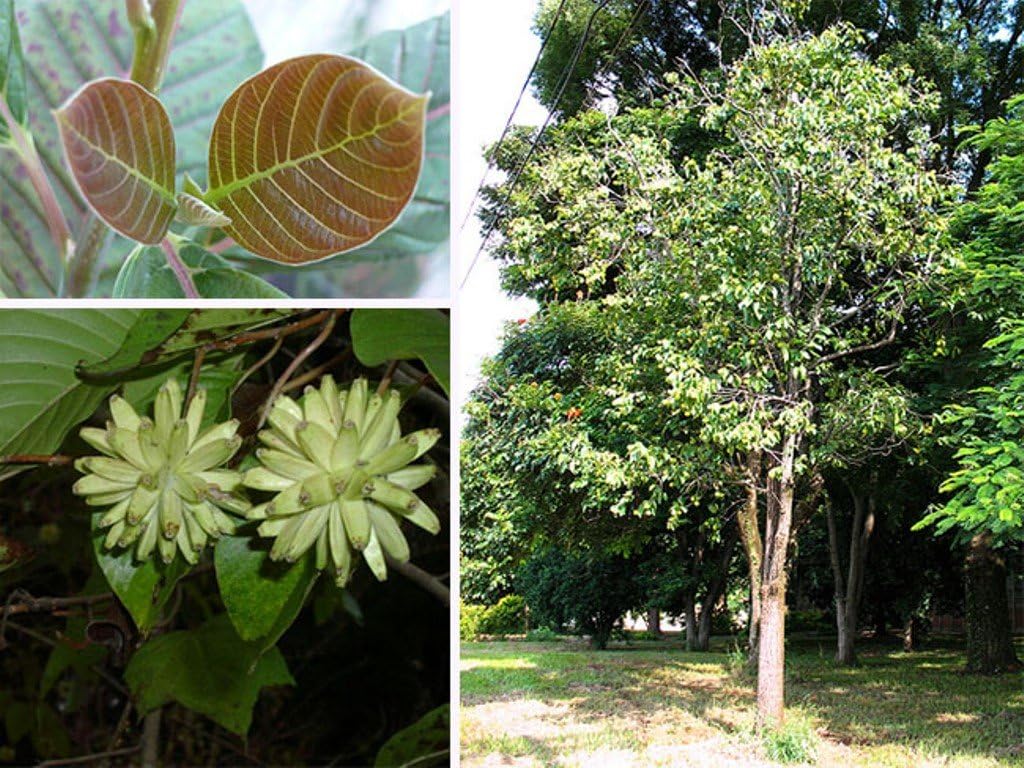
Forests are now under pressure. Deforestation and climate change are shrinking ecosystems that could hold future treatments. Conservation groups say up to a fifth of medicinal plants face extinction. Experts argue that protecting forests is part of healthcare policy. “Forest conservation is healthcare infrastructure,” Earth Day Network said.
The clean energy transition can help. Renewable power reduces deforestation linked to fossil fuel extraction. It also limits climate stress on ecosystems. Investors and policymakers increasingly view forests as strategic assets because they store carbon, support communities and safeguard medical research.
Saving forests is not just environmental policy. It is economic policy. It is public health policy. And it is a race against time.
Reference- EARTHDAY.ORG newsletter, Natural History Museum, World Health Organization, World Bank.Org