





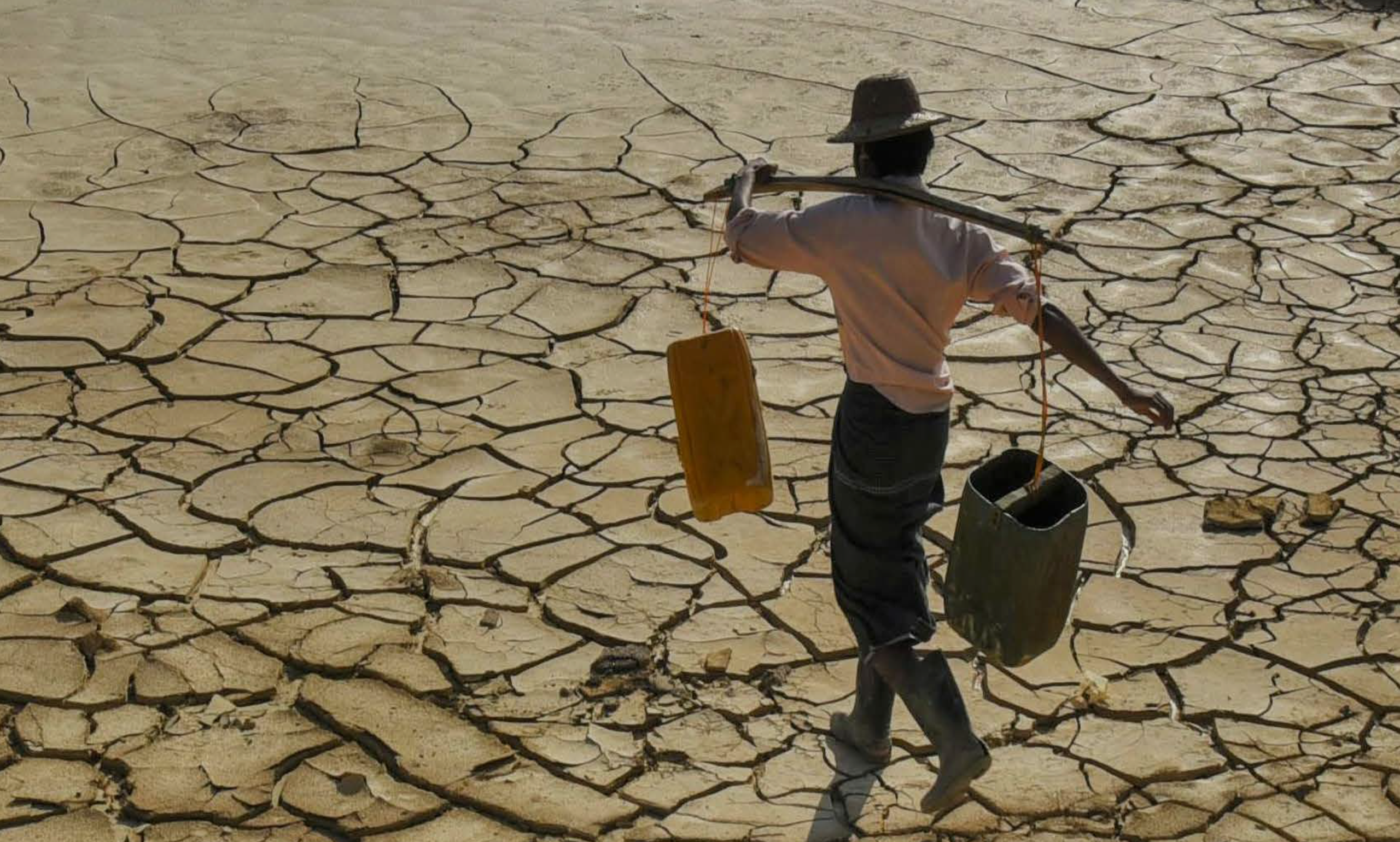
The world has entered a period of “global water bankruptcy,” according to the United Nations. Water demand now exceeds sustainable supply in many regions. Scientists say climate change, population growth, and poor governance drive this crisis.
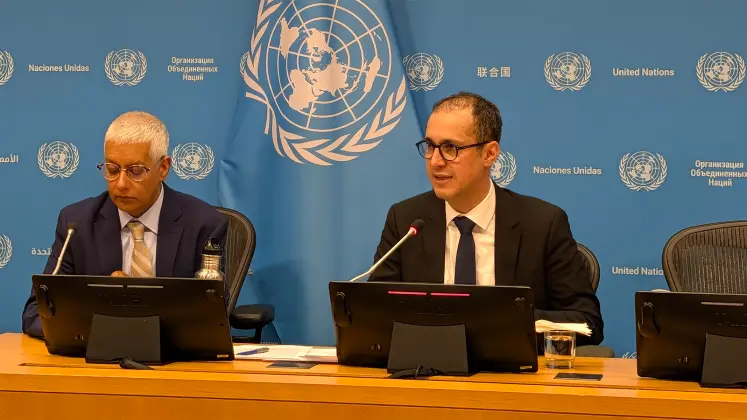
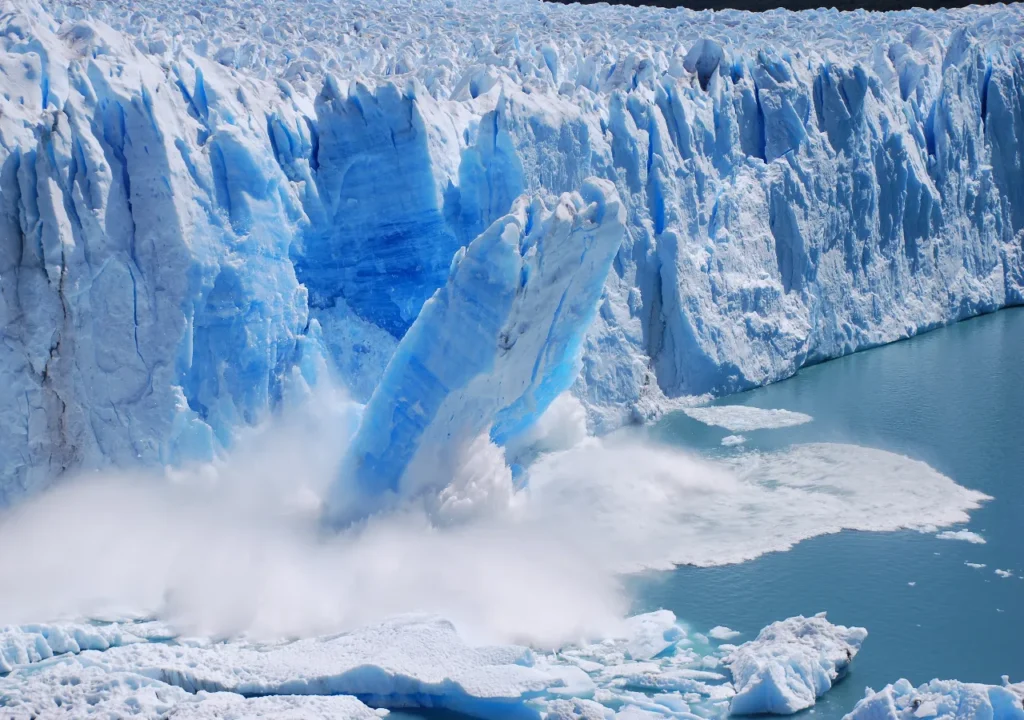
Freshwater resources are shrinking fast. Rivers, aquifers, and glaciers are under extreme stress. Many countries already face severe water shortages. Experts warn the situation could worsen without urgent action.
The UN stresses that water scarcity threatens food security, energy systems, and economic stability. Agriculture uses about 70 percent of global freshwater, while industry and households compete for remaining resources. Climate-driven droughts and heatwaves increase evaporation and reduce rainfall reliability.
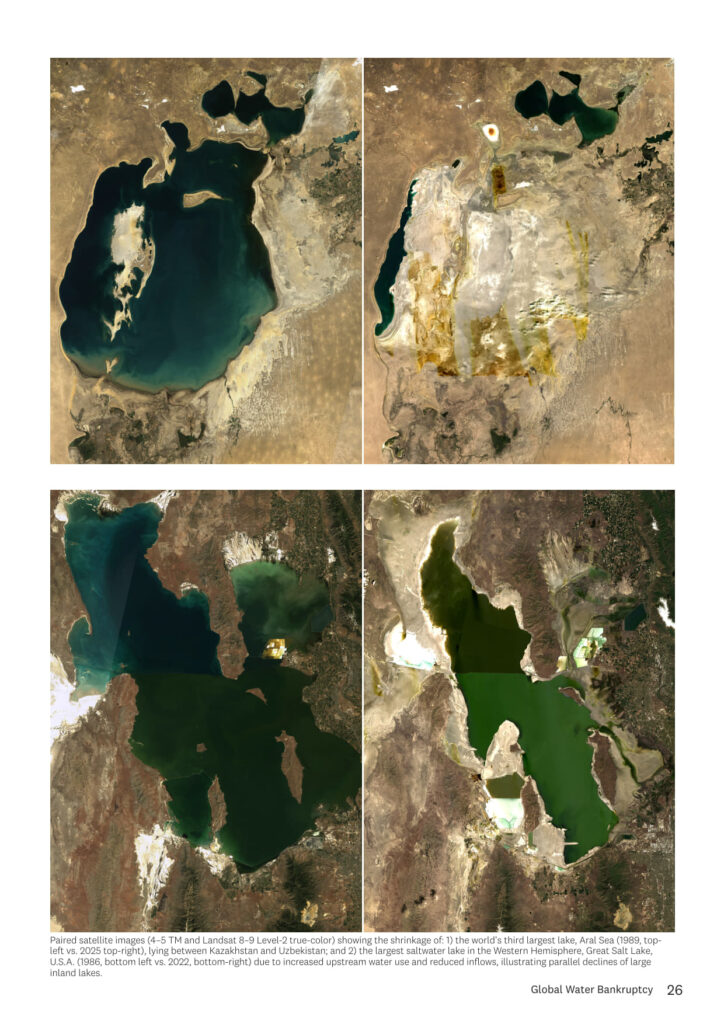
Researchers say groundwater depletion is a major concern. Many aquifers refill slowly, yet extraction continues at unsustainable rates. Some regions may run out of usable groundwater within decades.
Urbanization also increases pressure on water systems. Cities expand faster than infrastructure upgrades. This gap increases pollution and reduces safe drinking water access.
The report highlights unequal water access. Developing regions face the worst impacts. Poor communities suffer from health risks and rising costs.
Experts urge governments to reform water management policies. They recommend efficient irrigation, wastewater reuse, and climate-resilient infrastructure. Digital monitoring and AI-based forecasting can improve resource planning.
Global cooperation remains critical. The UN calls for international investment and coordinated governance frameworks. Scientists say water must be treated as a finite economic resource, not an unlimited public good.
If leaders fail to act, water scarcity could trigger food crises, migration, and geopolitical conflicts. The UN warns the current decade will determine global water security outcomes.
Reference- United Nations and Scientific American report, Peer-reviewed paper in the journal of Water Resources Management
Comments are closed, but trackbacks and pingbacks are open.