



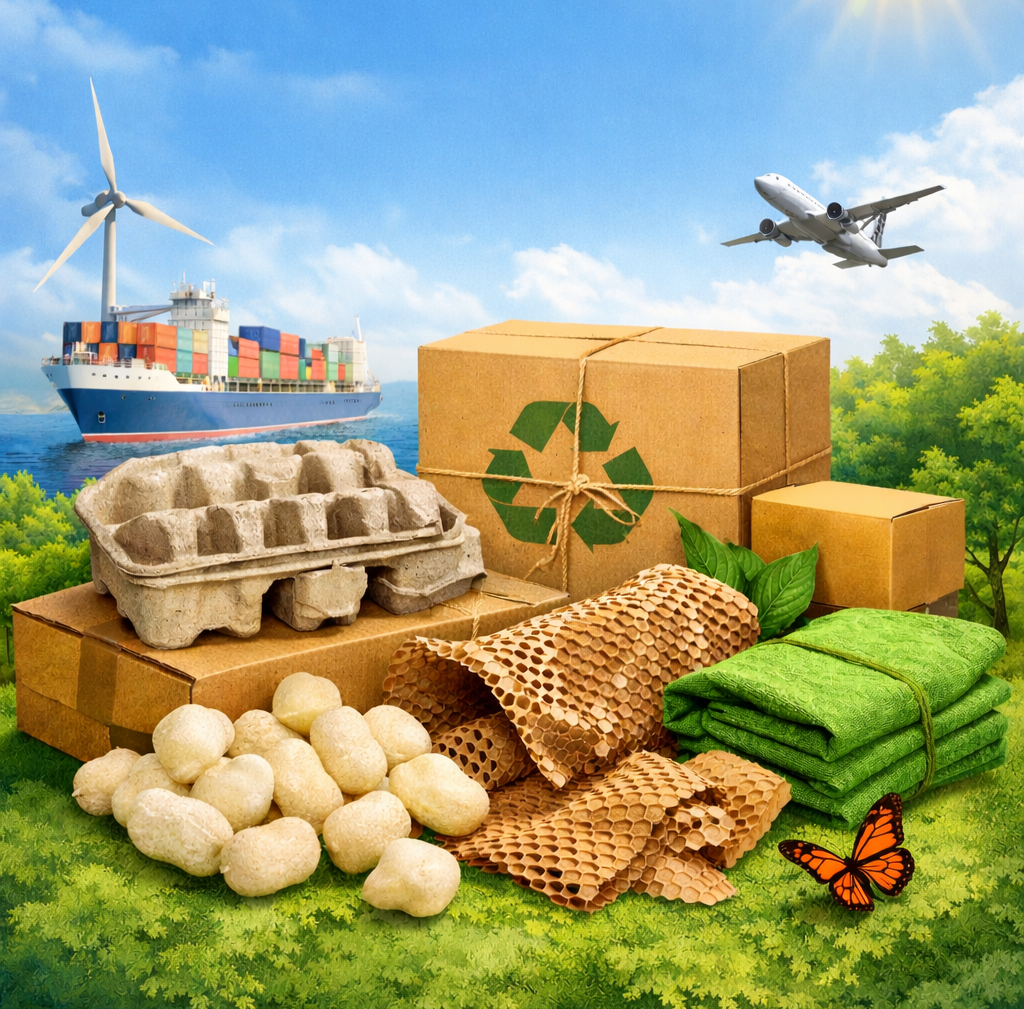
Shipping connects the global economy. It also creates massive packaging waste. Plastic cushioning materials remain a hidden climate problem.Most people use them once and discard them. Some materials take centuries to decompose. Businesses are now under pressure to rethink packaging. Consumers are also paying attention. Greener shipping is shifting from niche practice to operational necessity.
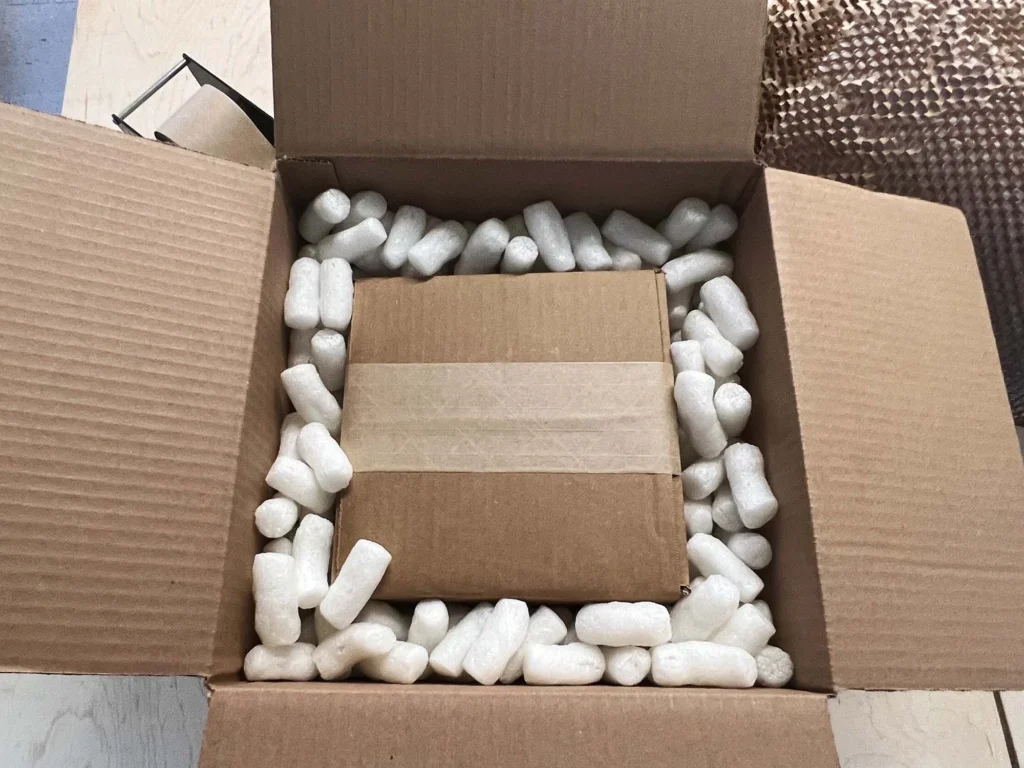
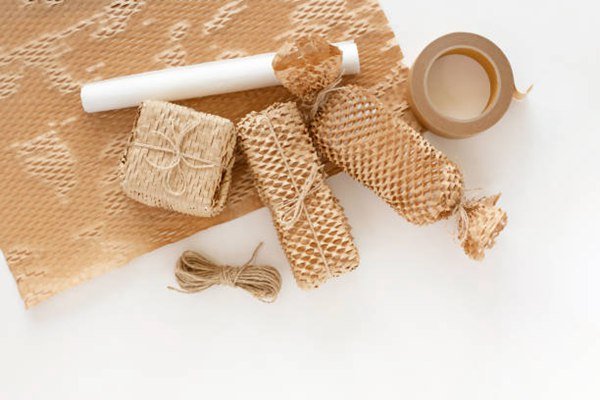
Traditional plastic bubble wrap dominates e-commerce logistics. It is lightweight and effective. Yet it generates large volumes of waste because reuse rates remain low. Recycling is difficult in many regions. As a result, packaging innovation is accelerating.
Several alternatives are already available.
- Honeycomb packing paper is one example. Made from recycled kraft paper, it forms air-pocket structures that absorb impact.
- Cornstarch packing peanuts provide another option. They biodegrade naturally and users can compost them after use.
- Molded pulp inserts, widely used for electronics packaging, hold products securely while remaining recyclable.
Simple solutions are also gaining traction. Crumpled paper can cushion fragile items effectively when layered thickly. Old textiles such as towels or clothing can protect heavier products. Users can also reuse them repeatedly. Even reused grocery packaging, such as egg cartons, can serve as impact absorbers for small shipments.
Large companies are beginning to adopt these changes. Major retailers are removing plastic air cushions from packaging systems. Billions of plastic fillers are avoided annually as a result. This shift is being driven by regulation, cost pressures, and brand commitments.
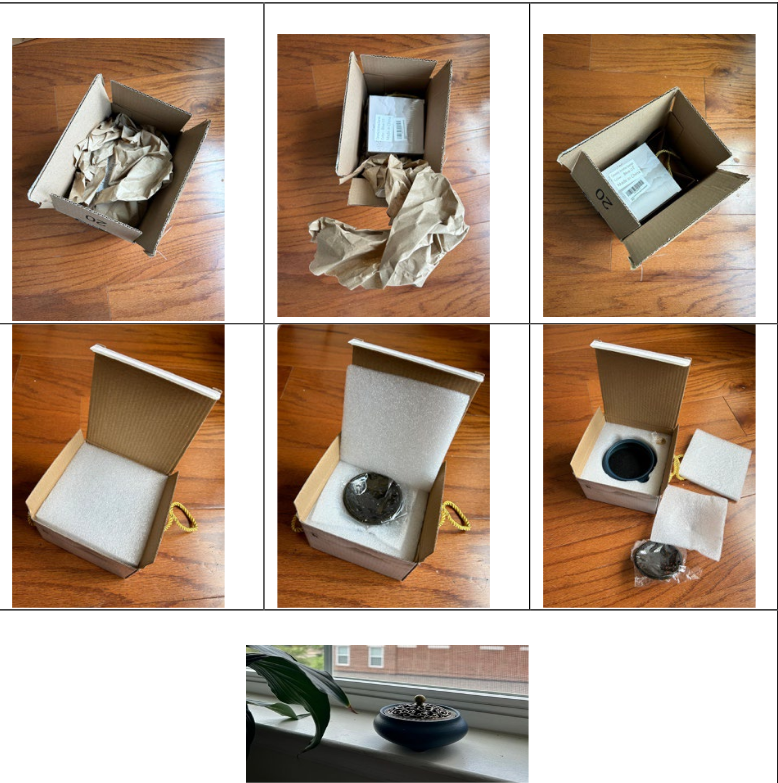
Greener shipping is not only an environmental issue. It is also a supply-chain efficiency story. Paper-based cushioning often reduces disposal costs. Reusable materials lower long-term packaging expenses. Customer loyalty is strengthened when visible sustainability actions are taken.
Packaging rarely attracts public attention. Still, its climate impact is significant. Small operational changes can reshape waste streams across entire industries. Greener shipping will not eliminate plastic overnight. However, the transition has begun. Companies that move early will shape the logistics standards of the next decade.
Reference- EARTHDAY.Org, National Geographic, National Library Of Medicine