


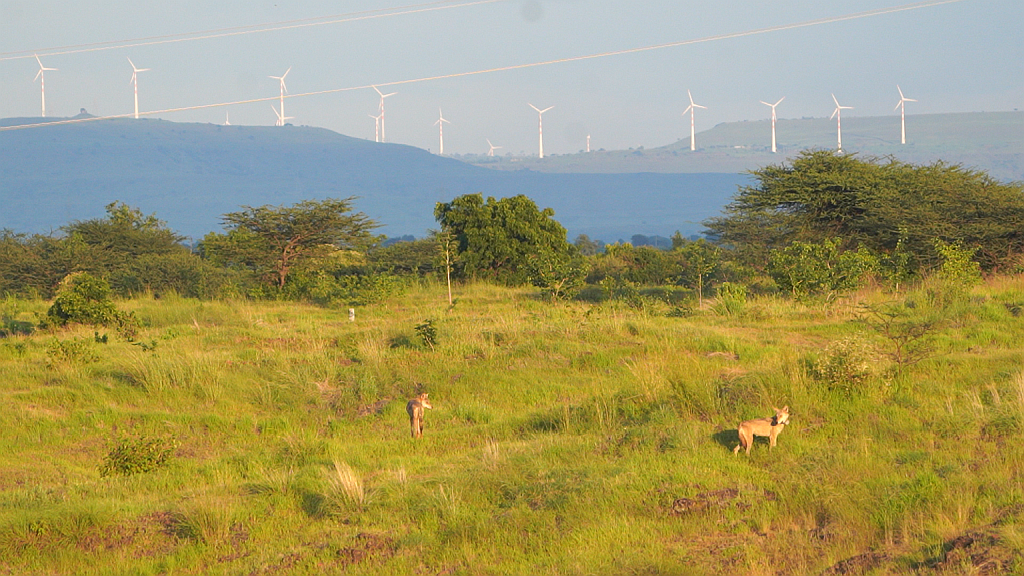
The global shift to clean energy is urgent to fight climate change. Renewable energy reduces emissions and cuts fossil fuel use. However, rapid renewable build-out can affect nature and communities if not carefully planned. Recent discussions by environmental experts stress this tension. Renewable projects must safeguard ecosystems, not just supply power.

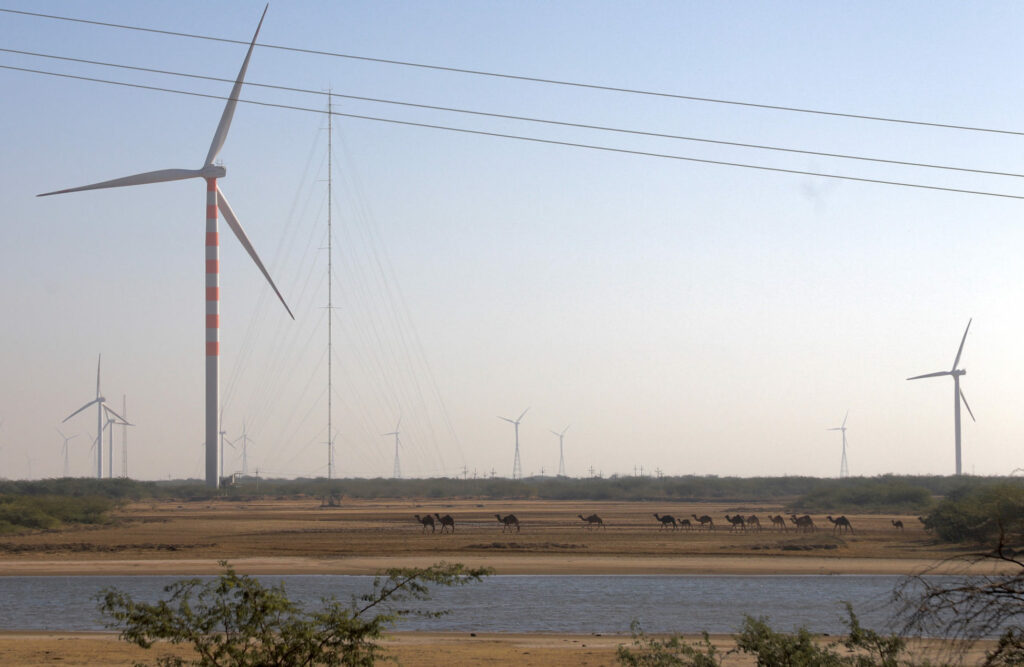
Renewable energy projects like solar parks, wind farms, and large-scale hydro-power have a large physical footprint. Building these can alter ecosystems, land use, and local livelihoods. For example, research shows that up to 74% of solar development in India occurs on land with ecological or agricultural value, potentially affecting biodiversity and habitats.
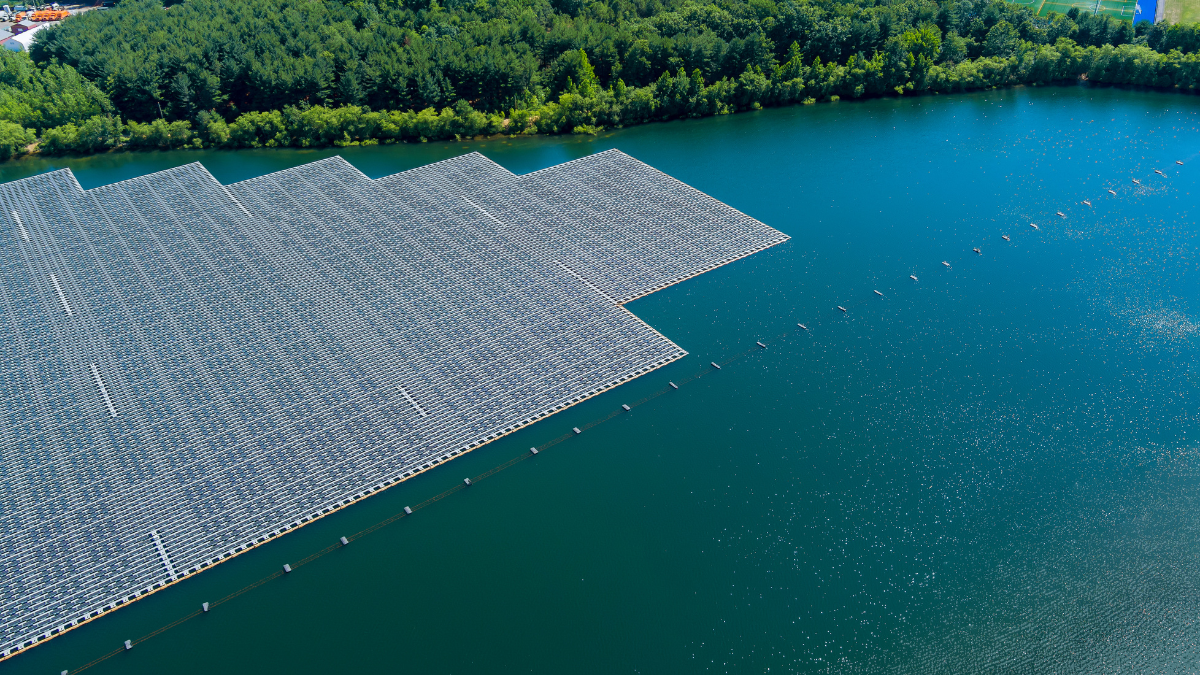
In India, solar and wind capacity is growing fast. Facilities such as the Bhadla Solar Park — India’s largest at 2,245 MW — have cut emissions by millions of tons annually. Yet these developments can disrupt natural landscapes and traditional livelihoods. Floating solar at the Jayakwadi Dam has triggered community concerns about fishery disruption and ecosystem imbalance.

Experts also highlight social impacts. Large solar parks in Karnataka and Tamil Nadu, for instance, have affected small farmers, landless laborers, and pastoral communities through land use changes, access loss, and displacement risks.
At the same time, climate science emphasizes that fossil fuel impacts far outweigh those of renewable expansion. Renewable build-out is still better for biodiversity in the long run than continued burning of coal and oil, which drives habitat loss and species loss globally. Strategic planning can reduce trade-offs by aligning renewable siting with conservation priorities and smarter impact assessments.
Reference- Nature, Environmental Impact Assessment (EIA), Institute for Energy Economics and Financial Analysis, ET, BBC, Land & Climate Review