



India’s clean energy transition is gathering pace. Fresh data shows a sharp rise in financial support for renewable projects. Yet, the deeper story reveals both promise and pressure.
Outstanding credit to the renewable energy sector reached ₹10,325 crore in 2025, nearly doubling from ₹5,790 crore in 2024, according to Energy Statistics India 2026. This growth reflects stronger backing from banks and financial institutions. It signals rising confidence in India’s energy transition.

The expansion has been driven by policy push and market demand. India added record renewable capacity in recent years. The country crossed 262 GW of non-fossil fuel capacity, accounting for over half of total installed power. This shift is reshaping the national energy mix.
Solar leads the transition. It accounts for 3,343 GW of potential out of a total renewable potential of 4,704 GW. Wind follows with over 1,163 GW potential. These numbers underline the scale of opportunity.
However, fossil fuels still dominate. Thermal power contributed 77% of electricity generation in FY25, down from 83% a decade ago. The decline is gradual. The transition is underway, but not complete.

Experts say finance is only one part of the equation. Moreover, “credit flow statistics enable better understanding of the responsiveness of the banking system,” the report notes. However, infrastructure gaps remain. Therefore, transmission networks need massive upgrades.
Estimates suggest India may require ₹7.9 trillion in transmission investment to support future clean energy capacity. Without this, renewable expansion could stall.
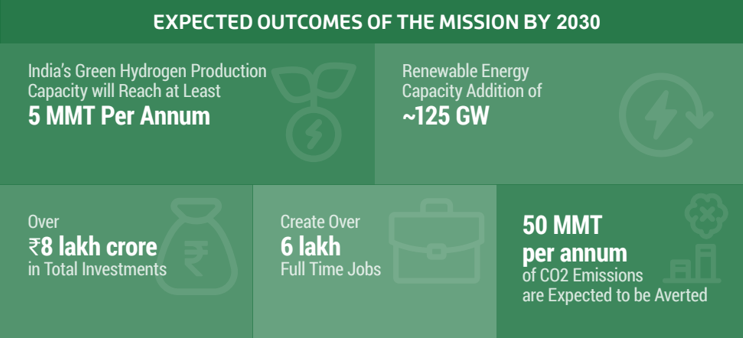
Meanwhile, investor interest continues to rise. Global funds and domestic players are increasing their exposure. Large-scale projects and green hydrogen initiatives are also gaining traction.
Still, risks persist. Renewable projects face land constraints, grid bottlenecks, and financing delays. Many projects are capital-intensive. Returns can take years to materialize.
The growth in credit is significant. But it must be matched with execution on the ground. Policy alignment, grid expansion, and storage solutions will be critical.
India’s clean energy journey is accelerating. The direction is clear. The pace, however, will depend on how well finance, infrastructure, and policy move together.
Reference- Energy Statistics India 2026 report, Ministry of Statistics and Programme Implementation (MoSPI), Business Standard