



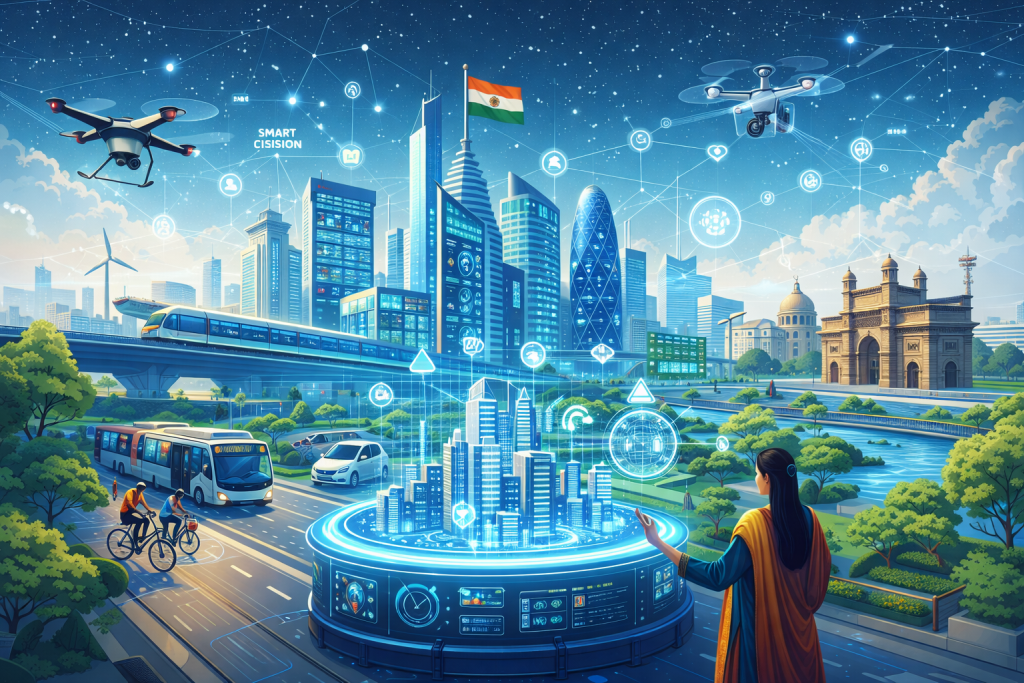
India launched the Smart Cities Mission in June 2015 with the goal of transforming 100 cities into sustainable and technologically advanced urban centers. The plan focused on strengthening core infrastructure, clean environments, and quality of life using digital solutions like smart traffic systems, real-time monitoring, and public services. The mission was implemented through Special Purpose Vehicles (SPVs) in each city.
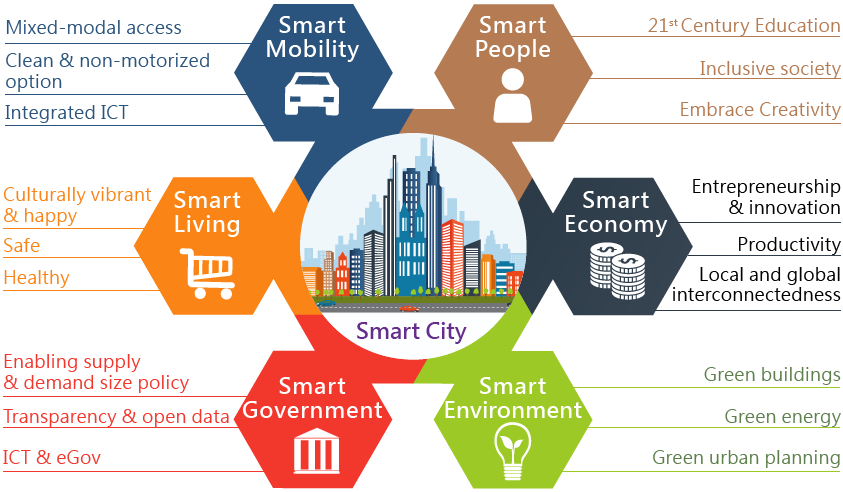
According to data from the Ministry of Housing and Urban Affairs, cities completed nearly 94% of the 8,067 projects by May 2025. This amounted to about ₹1.64 lakh crore in investments across the selected cities. All 100 cities now operate Integrated Command and Control Centers that use AI and IoT for urban management.
Some visible infrastructure improvements have emerged. Cities have added smart roads, cycle tracks, CCTV networks, and advanced water and waste management systems. These upgrades aim to improve safety, mobility, and service delivery.
However, urban planning experts and independent analysts argue that the mission has not achieved its original transformative goals. India does not have a universally accepted definition of a “smart city,” which has led to fragmented and often cosmetic projects. Many initiatives focused on already well-developed areas, rather than addressing basic needs such as affordable housing, sanitation, and inclusive transport.
Furthermore, the governance model has been criticized. SPVs operate with limited local accountability. They sometimes function outside the control of elected municipal bodies, leading to poor coordination with city departments. This has weakened transparency and democratic oversight.
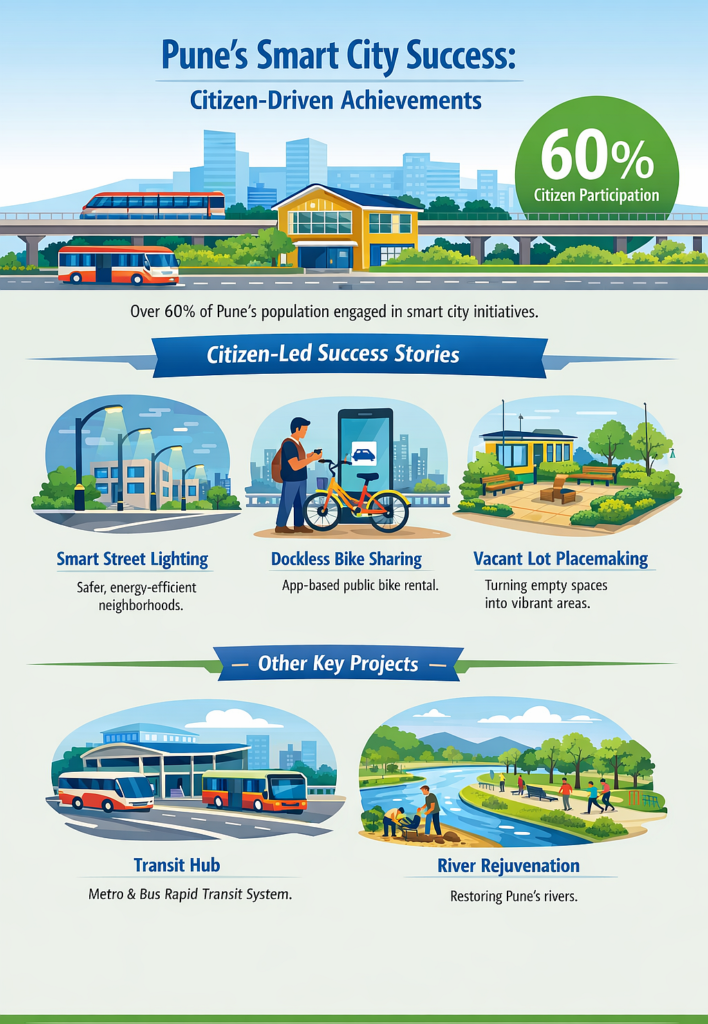
Uneven implementation is another issue. While major cities like Pune and Surat show significant progress, smaller or politically marginal cities lag behind. Frequent project delays, funding bottlenecks, and limited private sector participation have also slowed execution.
In summary, the Smart Cities Mission has delivered measurable infrastructure upgrades in many areas. However, it has struggled to produce equitable, inclusive, and systemic urban transformation across all 100 cities. The mission must adopt a clearer strategy, strengthen local governance, and implement more balanced urban planning to achieve its original vision.
Reference- The CSR Journal; Ministry of Housing and Urban Affairs; Smart Cities Mission performance reports