



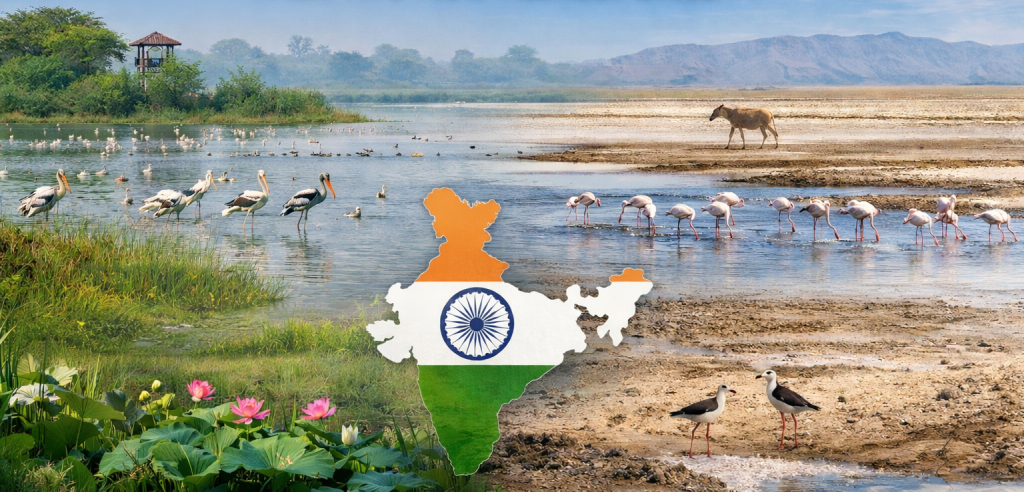
India has expanded its portfolio of internationally protected wetlands. On World Wetlands Day, the Union government added two new Ramsar sites to the global list. These additions bring the total number of Ramsar-designated wetlands in India to 98. Ramsar sites are wetlands of international importance under the Ramsar Convention.

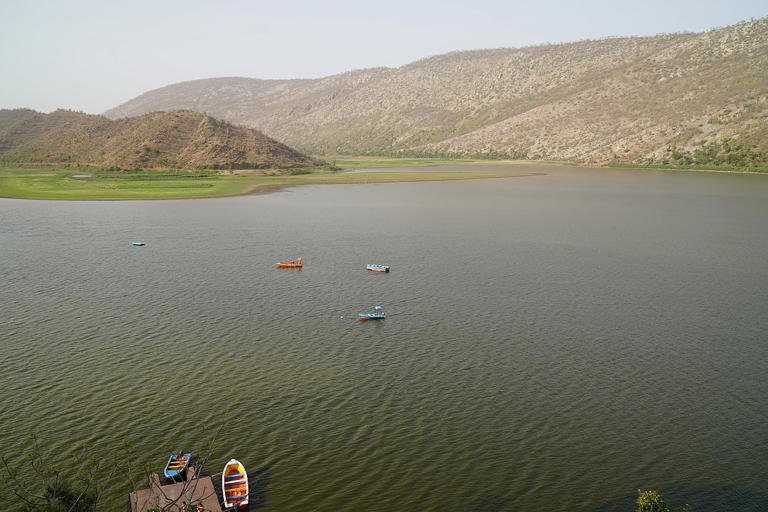
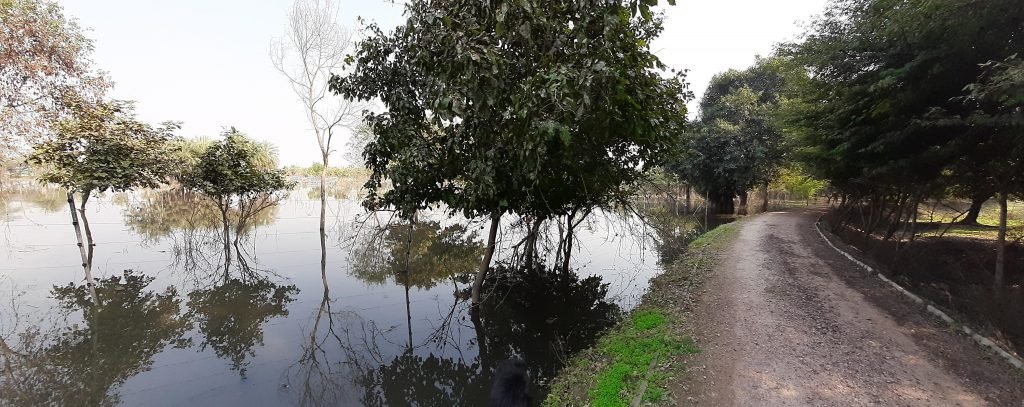
The two newly designated wetlands are Patna Bird Sanctuary in Etah district, Uttar Pradesh, and Chhari-Dhand in Gujarat’s Kutch region. Both are now recognized for their critical ecological functions.
Patna Bird Sanctuary is a freshwater wetland that supports a wide range of resident and migratory bird species. It also sustains grassland and woodland areas that contribute to biodiversity and local water balance. Experts say the Ramsar status will attract more scientific research and strengthen long-term protection.

Chhari-Dhand lies amid the Banni grasslands and the salt flats of Kutch. This seasonal wetland fills with rainwater and creates a mosaic of saline and freshwater habitats. Species adapted to this unique environment include desert waterbirds and rare plant life.
Across India, wetlands are vital for biodiversity, flood control, water purification, and carbon storage. The Ramsar Convention, signed in 1971, aims to halt the loss of these habitats worldwide. India became a signatory in 1982.
Although India’s Ramsar sites have grown rapidly since 2014, conservation challenges persist. Many wetlands face threats from pollution, invasive species, and unplanned development. Civil society and scientific groups warn that more action is needed to protect these ecosystems.
The latest designations reflect a broader government commitment to ecosystem preservation. They also underscore the increasing importance of wetland conservation in climate resilience and sustainable land use planning.
Reference- Wikipedia, The New Indian Express, SANDRP, The Environment, Outlook Traveller