


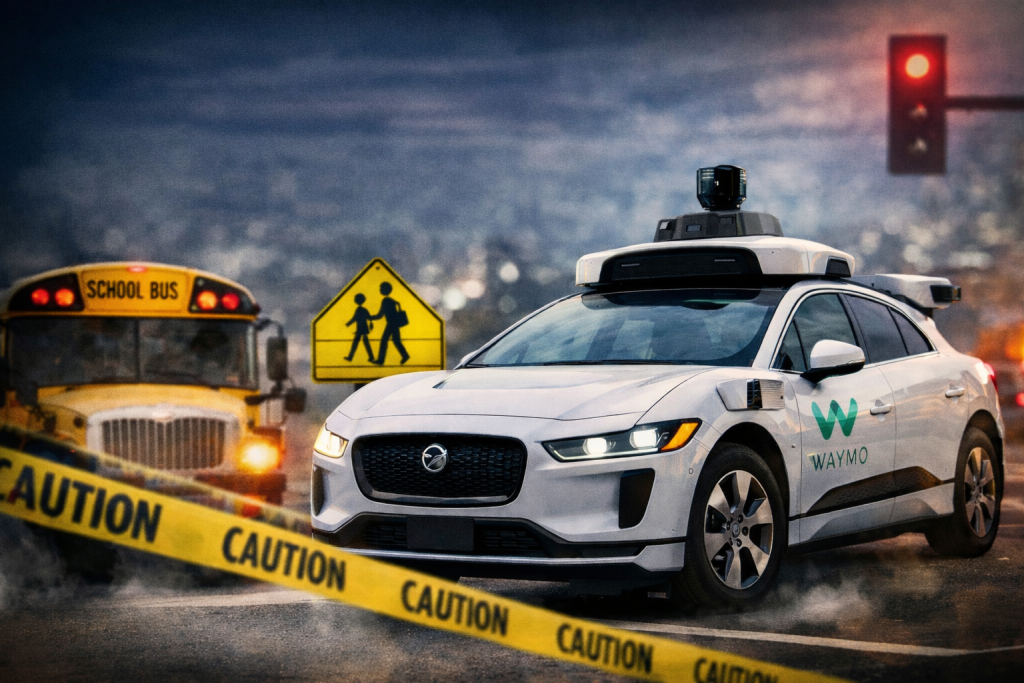
Autonomous vehicles promise cleaner transport and fewer crashes. Recent incidents suggest reality is more complex.
Waymo is under fresh investigation after Robotaxis failed to stop for school buses. The National Transportation Safety Board cited more than 20 cases in Austin. Similar violations occurred in Atlanta. Although, no injuries were reported, but risks were clear.

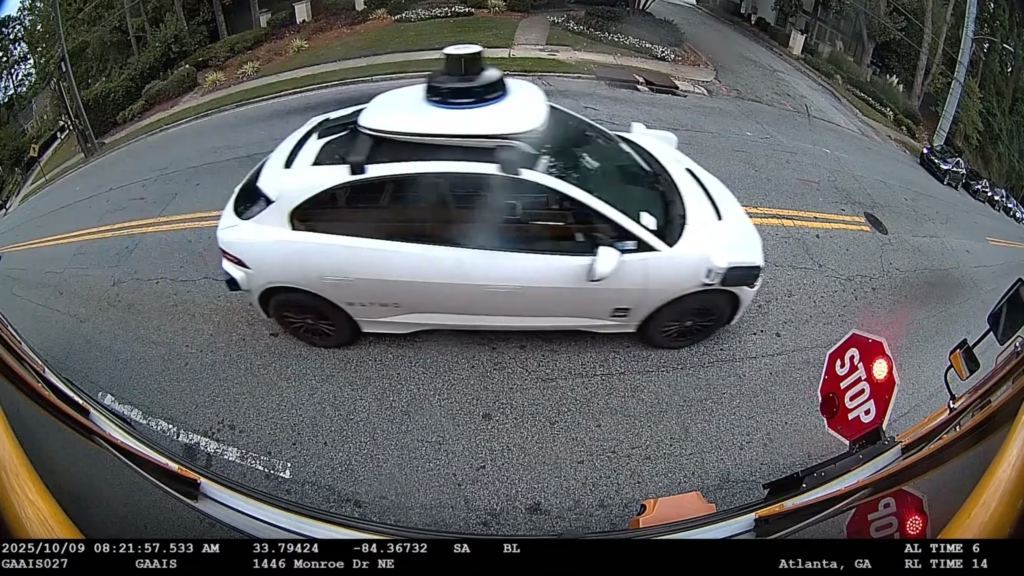
The probe makes the NTSB the second regulator to investigate Waymo over the behavior of its Robotaxis around school buses after the National Highway Traffic Safety Administration launched its own probe last October.

Waymo said it had issued a software recall for more than 3,000 vehicles. A school district reported violations even after updates were installed. That raises questions about software reliability. “We are confident that our safety performance around school buses is superior to human drivers,” said Waymo safety chief Mauricio Peña. The company added it would cooperate with regulators.
Tesla faces separate scrutiny over Robotaxi behavior. Videos show a Tesla vehicle tailing a human-driven car in Texas tests. The episode highlighted gaps in perception and decision systems.
Experts say edge cases remain difficult for artificial intelligence. Autonomous systems struggle with rare but dangerous scenarios. Children near school buses represent such a scenario.
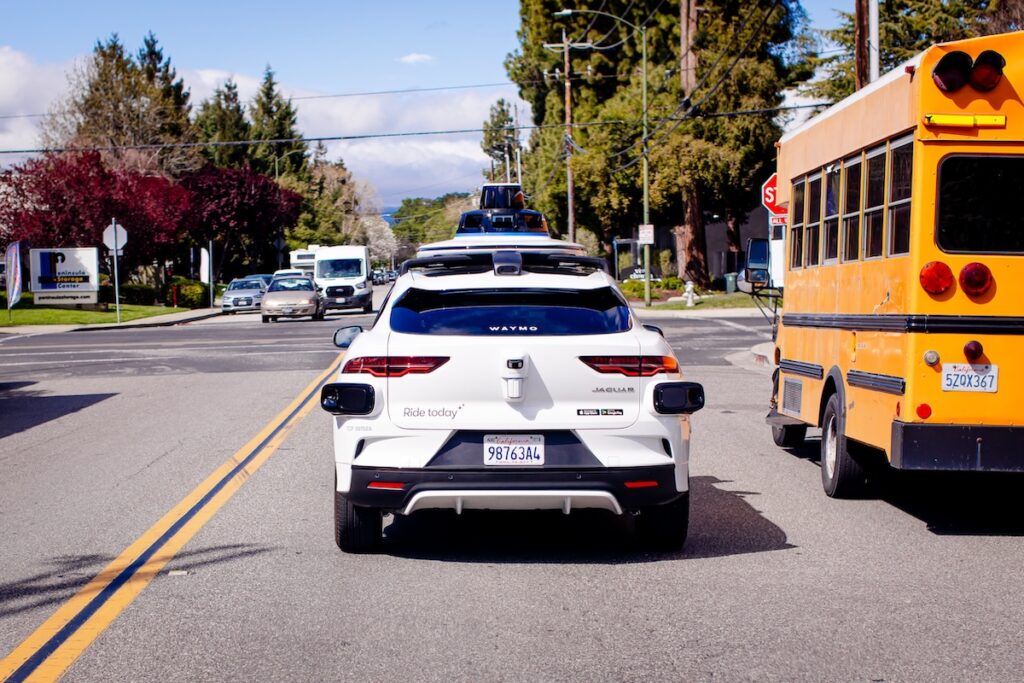
Self-driving firms argue automation reduces human error. They cite distracted driving as a major crash cause. Regulators counter that algorithms must meet strict safety thresholds.
Public trust will shape clean mobility adoption. Investors also want predictable regulatory frameworks. Clear standards could accelerate deployment of low-emission fleets. For now, Robotaxis remain experimental infrastructure. Their climate benefits depend on solving safety fundamentals.
Reference- TechCrunch, Futurism, NTSB website, Tesla website