



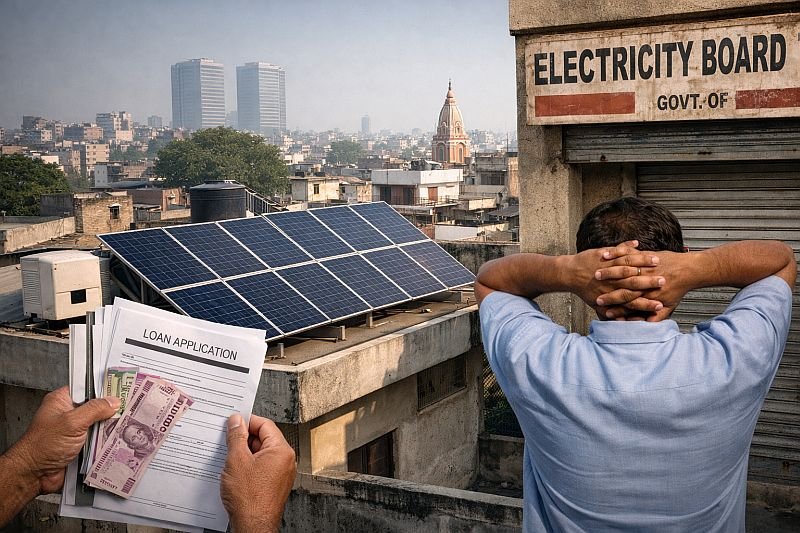
India’s clean energy plan relies heavily on rooftop solar. The aim is bold. The rollout has stalled. Lenders and state utilities are key reasons.
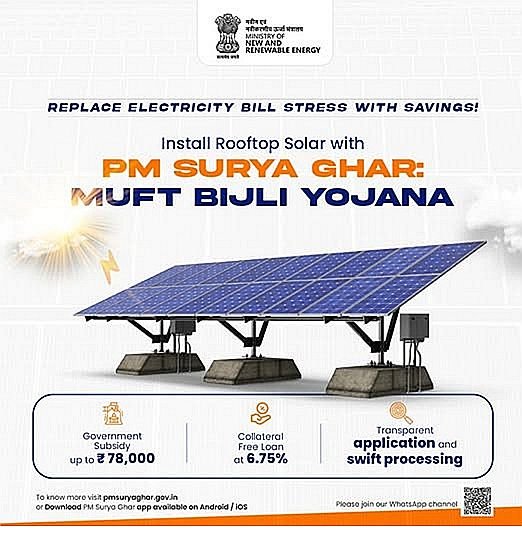
The government launched the PM Surya Ghar scheme in 2024. It offers heavy subsidies for home solar panels. The goal was to reach 4 million installations by March. So far, only about 2.36 million have been completed.
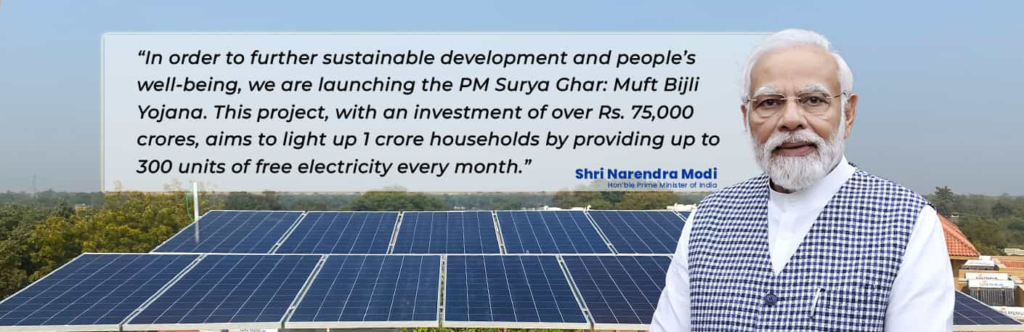
Analysts warn this gap could hurt wider energy goals. India aims to nearly double its clean energy capacity to 500 GW by 2030. Slow rooftop solar growth may delay progress. More coal might be used instead.
One key challenge is bank financing. Currently, many loan applications are pending. In some cases, banks have rejected them. This is mainly due to missing documents and unclear land titles. Therefore, banks say they must protect public money. If a loan fails, they can remove panels. However, they say there is little use for them afterward.
Vendors report that rejections are frequent. They blame documentation issues and utility records. Residents dispute some claims about missed payments. Yet lenders move slowly on approvals, and they have left roughly three in five applications unresolved.
State utilities have also been cautious. They worry about lost revenues when customers generate their own power. Some do not actively promote rooftop solar. This reluctance weakens adoption rates, especially in regions without strong local schemes.
Supporters of rooftop solar say the benefits are clear. Households can cut bills. Solar panels reduce dependence on the grid. Emissions fall. Financing debates often overlook these positives.
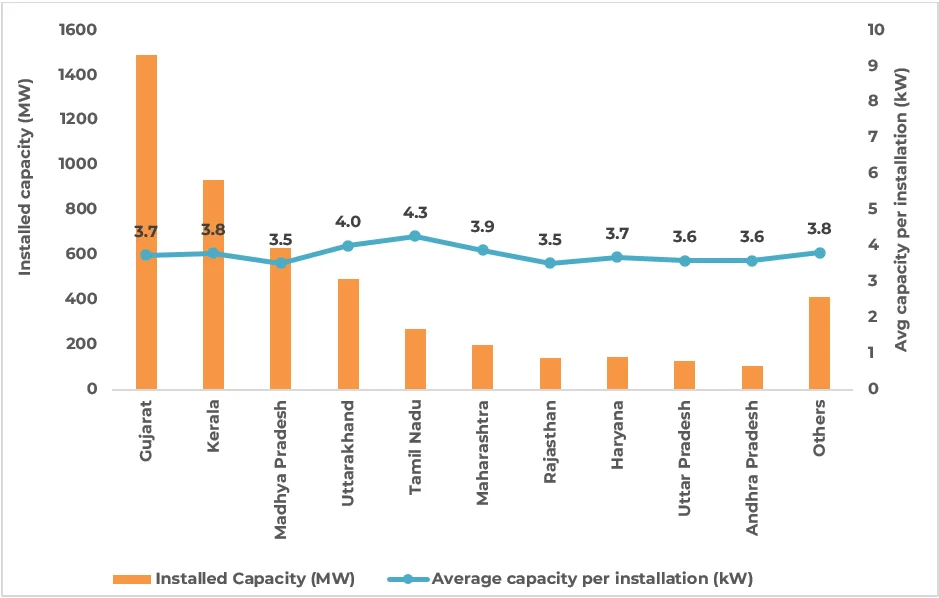
India has made progress. Millions of households have adopted clean energy. Systems are active across states. Yet licensed lenders and utilities hold the keys to faster growth.
The next phase of India’s clean energy transition may depend on whether these barriers are removed. Rooftop solar cannot thrive if financing and state support lag. Without fixes, the promise of affordable clean power will remain out of reach for many.
Reference- The Economic Times, CNBC, Mercom India, JMK Research, The Hindu, MNRE website