



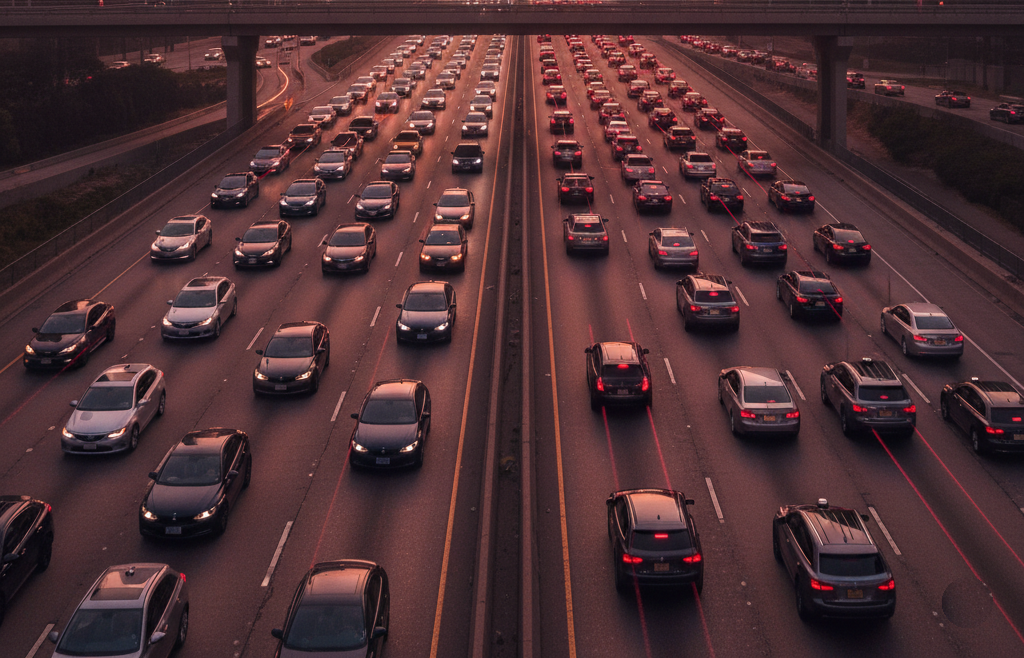
A new wave of research is challenging the long-held belief that “self-driving” will ease congestion. Instead, early evidence suggests they could increase traffic in already crowded cities.
A recent study published in journal Travel Behavior and Society, finds that self-driving cars may raise total vehicle miles traveled (VMT) by around 6% in urban areas. This increase reflects more trips, longer distances, and empty vehicle movements.
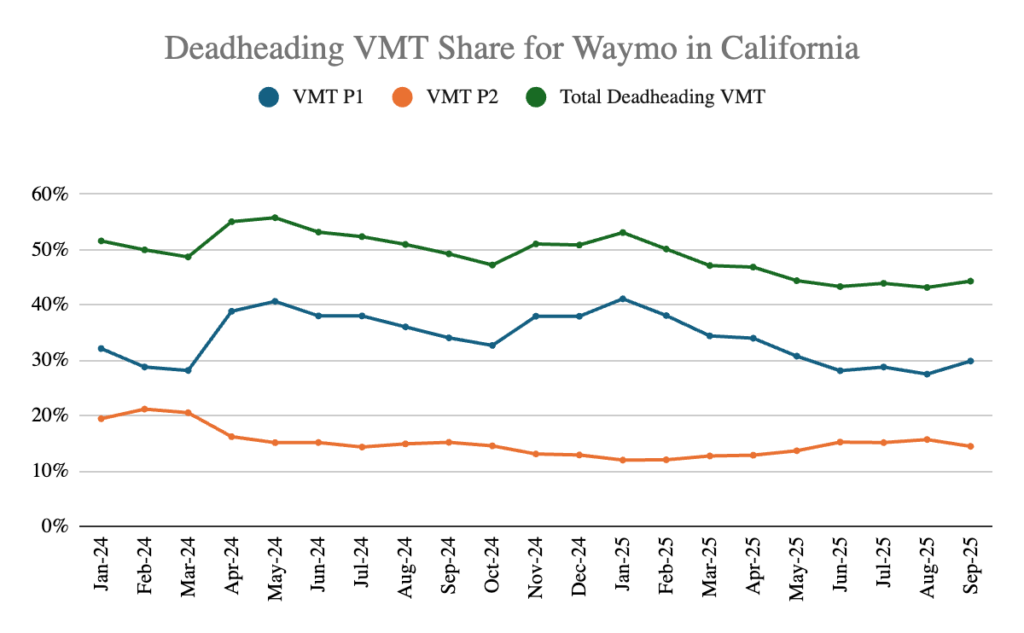
Researchers point to “deadheading” as a key driver. This occurs when autonomous taxis travel without passengers between rides. In San Francisco, nearly half of robotaxi miles in 2025 were empty runs, according to industry data.
The findings echo broader economic concerns. When travel becomes easier and more convenient, demand rises. This effect is similar to the “induced demand” seen in ride-hailing services. In fact, studies show that ride-hailing vehicles already account for a significant share of urban traffic, with large portions of trips occurring without passengers.
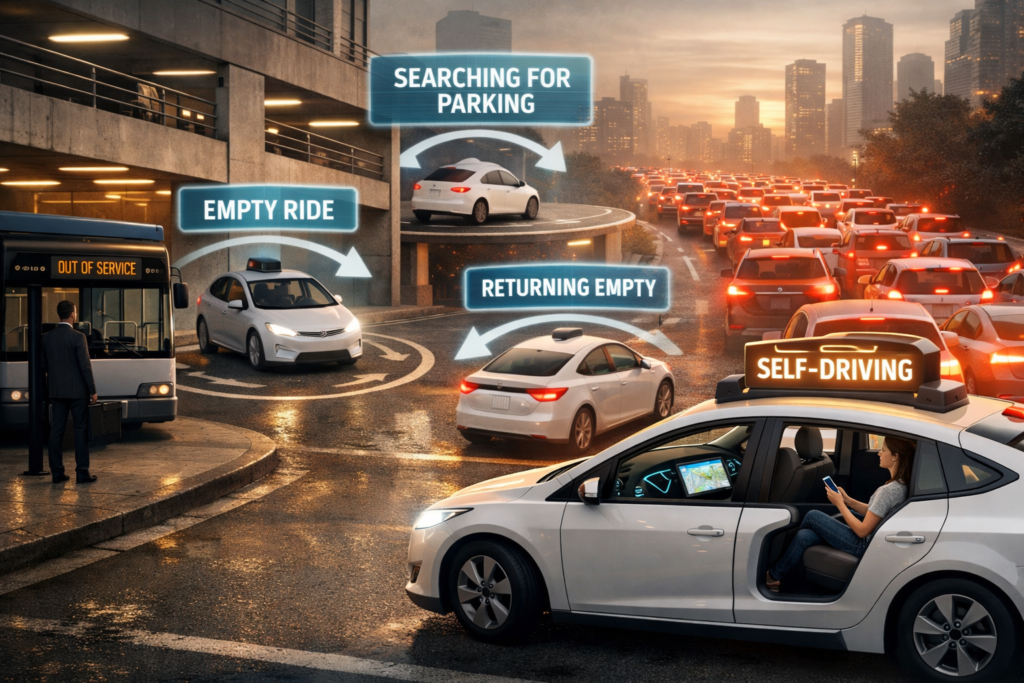
Experts warn that autonomous vehicles could accelerate this trend. Private users may shift away from public transport toward more comfortable, door-to-door travel. As a result, total car usage rises, even if each individual trip becomes more efficient.
“Non-shared AVs may contribute to increased VMT,” the study notes, highlighting empty travel, parking searches, and return trips as key factors.
However, the outlook is not entirely negative. Earlier research suggests that autonomous systems can improve traffic flow under controlled conditions. Even a small number of self-driving vehicles can smooth stop-and-go traffic and reduce bottlenecks.
In theory, fully connected autonomous fleets could dramatically increase road capacity. Some estimates suggest highway throughput could rise by over 200% with coordinated vehicle systems.
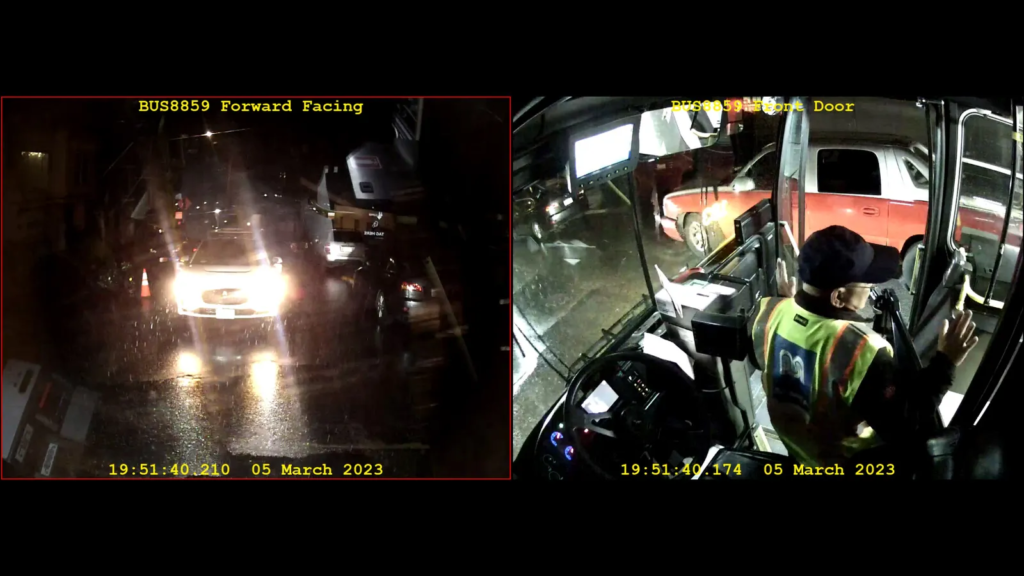
The gap between theory and reality remains wide. Real-world deployments still face operational challenges. Incidents involving robotaxis blocking roads and disrupting traffic have already been reported in major US cities.
The global autonomous vehicle market is still expanding rapidly. It is projected to reach over $556 billion by 2026, driven by advances in artificial intelligence and mobility services.
Yet the key question remains unresolved. Will self-driving cars reduce congestion—or simply make it easier for more people to drive?
For policymakers, the answer may depend on regulation. Without strong incentives for ride-sharing and public transport integration, autonomous vehicles could add more cars to the road, not fewer.
Reference- Futurism, WIRED, Wikipedia, Bloomberg, Travel Behavior and Society