



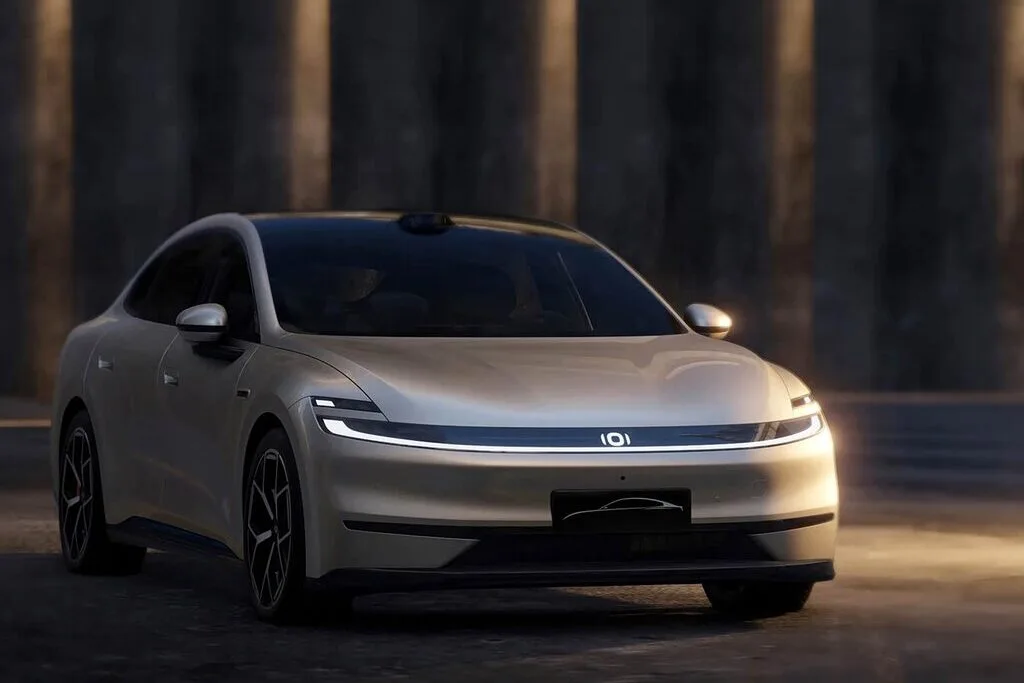
Electric vehicles are a cornerstone of the clean energy transition. Yet battery technology still limits their spread. For years, lithium-ion cells dominated. Now, a new contender is emerging. The first mass-produced EV powered by a sodium-ion battery has hit the road in China. Its arrival could rewrite some assumptions about electric propulsion.
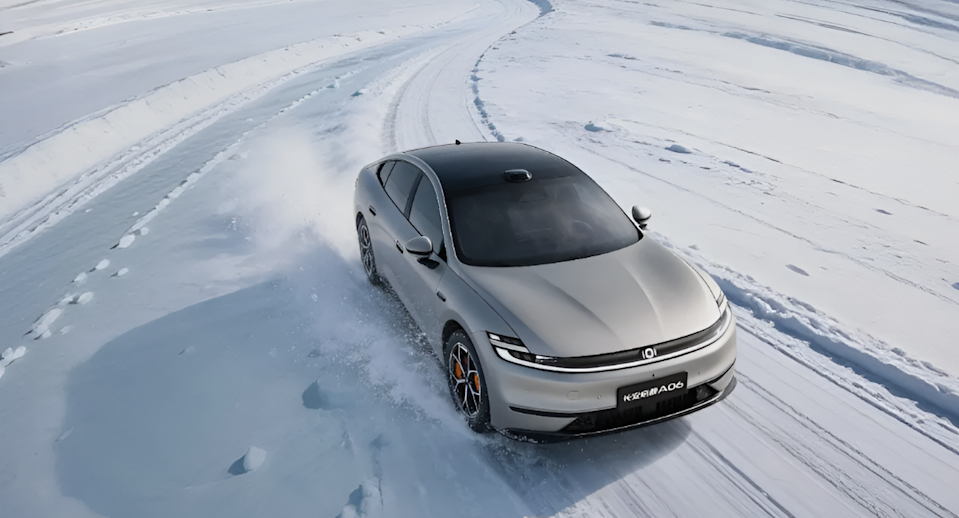
The Changan Nevo A06 is the first passenger electric car to use a sodium-ion battery pack commercially. It uses a 45 kWh CATL’s Naxtra sodium-ion battery pack. The key strength is cold-weather resilience. At extreme low temperatures, it retains more than 90 % of its charge capacity — far better than many lithium iron phosphate (LFP) cells. This reliable performance in freezing conditions gives it an edge for regions where cold can drain batteries fast.
Sodium itself is abundant and cheap. Unlike lithium, it is found worldwide and is easy to extract. This abundance could cut raw material costs for EV makers. Furthermore, sodium-ion chemistries are inherently safer. They are less prone to thermal runaway, which reduces fire risks and simplifies battery management systems.
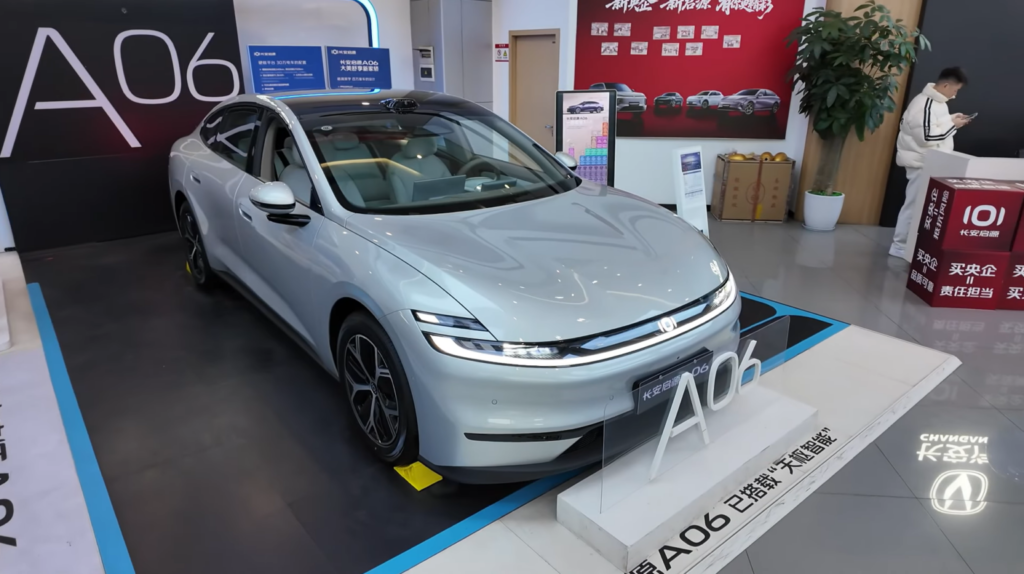
Yet challenges remain. Sodium-ion batteries typically hold less energy per kilogram than top-tier lithium cells. This means smaller range or larger packs for the same distance. Currently, they are most competitive in urban vehicles and entry-level models rather than premium long-range cars.
Still, industry players are taking notice. Automakers and battery developers are planning hybrid “dual chemistry” battery systems. These would pair sodium-ion cells for cost and climate resilience with lithium cells for high energy density. It is a strategy that could offer best-of-both worlds.
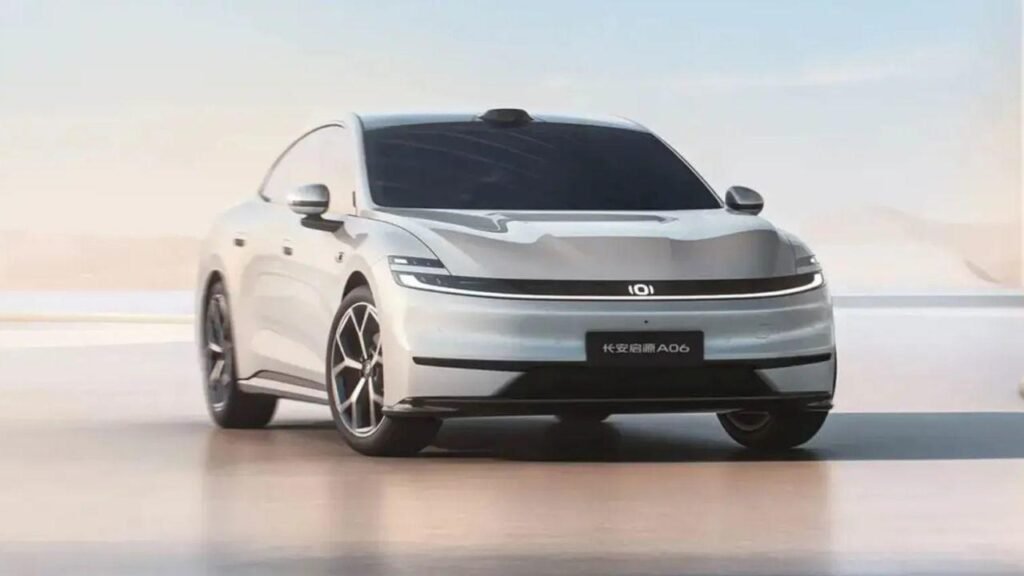
Overall, sodium-ion technology may not replace lithium completely. Instead, it could fill niches where cost, safety, and temperature performance matter most. As production scales and chemistries improve, sodium-ion batteries might make EVs more accessible globally. If that happens, the future of electric mobility may depend not on a single winner, but on a mosaic of battery innovations.
Reference- TechRadar, Gizmochina, InsideEVs, Electrek