


Any sufficiently advanced technology is indistinguishable from nature.
– from ‘The Deepening Paradox’ (2011) by Karl Schroeder
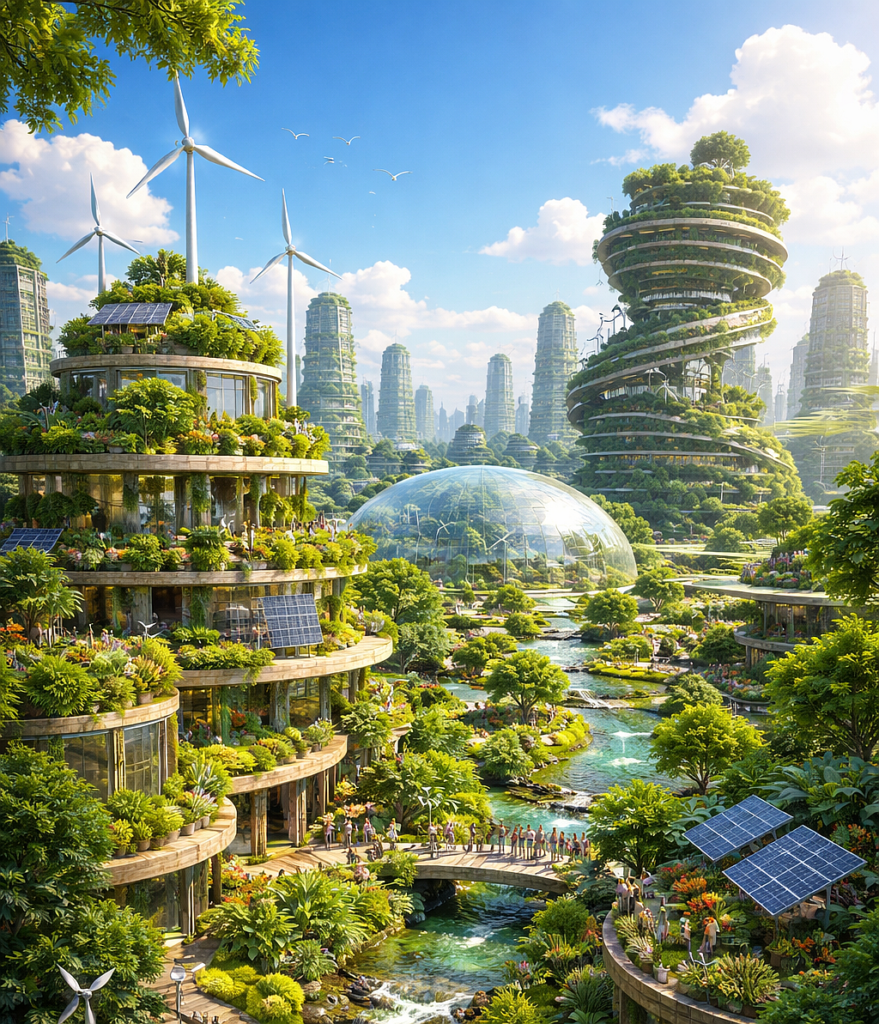
Solarpunk is more than a style. It is a vision for future cities where technology follows nature’s lead. The idea is rooted in a hopeful belief that humans can live in balance with the Earth. This future is shaped not by dominance but by cooperation between people, technology, and the living world.

The term comes from combining “solar” with “punk.” “Solar” points to renewable energy. “Punk” signals a rebellion against the idea that technology must harm nature to succeed. Solarpunk suggests a different path. Instead of fighting the environment, technology should work with it.
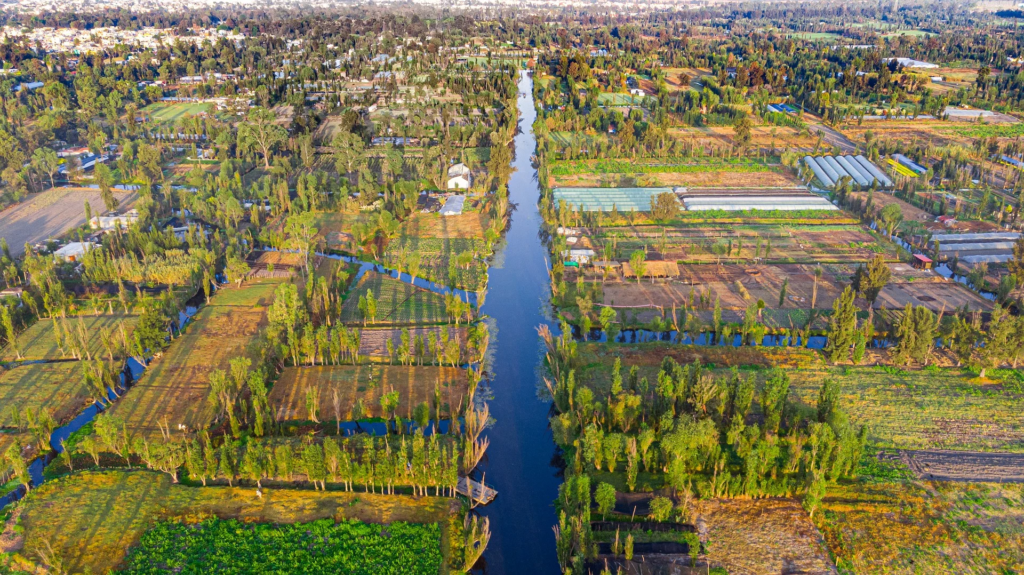
In solarpunk cities, systems are designed to mimic nature. They are built to grow food, clean water, and store energy in ways that look more like ecosystems than factories. Solar panels, wind turbines, and geothermal systems are common. At the same time, traditional ecological practices like chinampas — raised beds fed by natural waterways — are embraced as technology too.

In these cities, buildings no longer stand as cold blocks of steel and concrete. Instead, they rise as vibrant structures that breathe and evolve. They actively host gardens, permaculture plots, and shared spaces that invite biodiversity. Meanwhile, planners prioritize people over cars and shape streets for walking, cycling, and gathering. As a result, communities reclaim public space. In addition, designers fill plazas and corridors with plants and flowing water features that naturally cool the air. Consequently, urban life feels greener, healthier, and more human.
Moreover, solarpunk calls for technology that repairs itself. Designers choose materials that people can repair instead of discard.Waste becomes a resource. Systems mimic biological cycles. This approach rejects planned obsolescence. It values longevity, maintenance, and renewal.

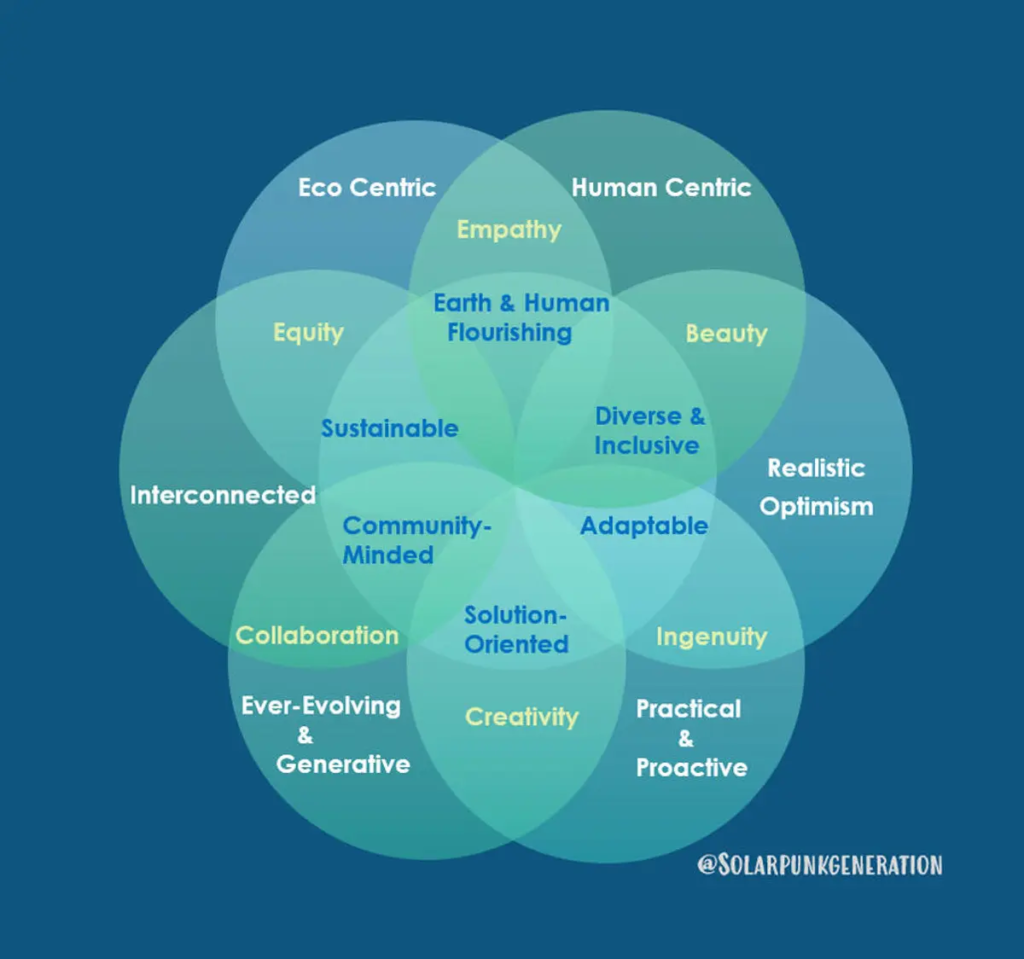
Solarpunk also embraces culture and diversity. It aims for cities that are inclusive and equitable. It respects Indigenous knowledge and local traditions. Many solarpunk thinkers argue that no single industrial model should dictate technology. Instead, communities must shape systems around their culture, climate, and shared values.
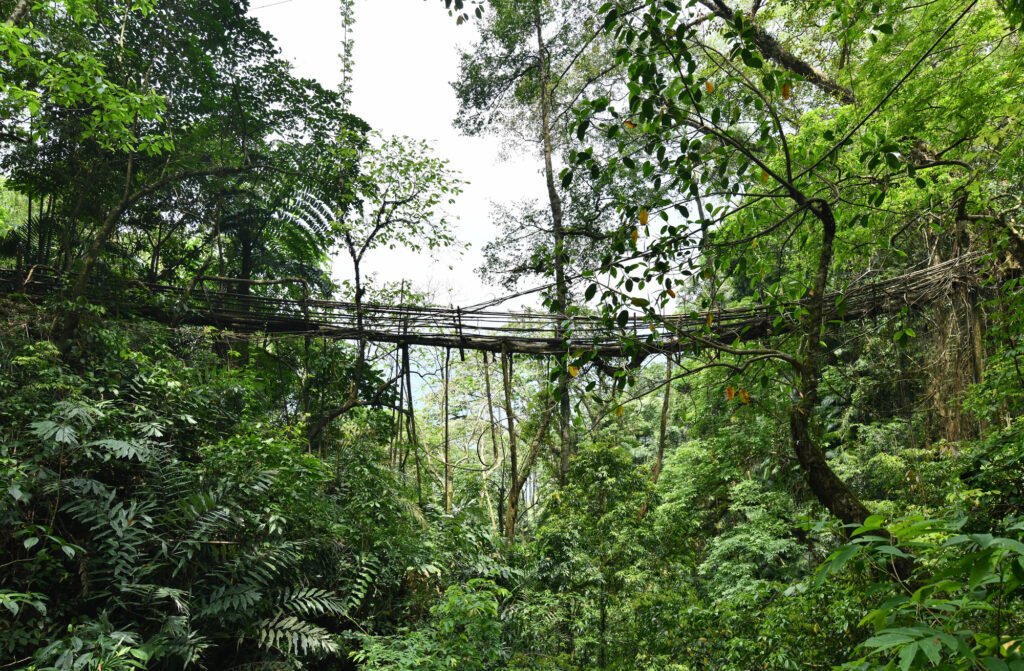
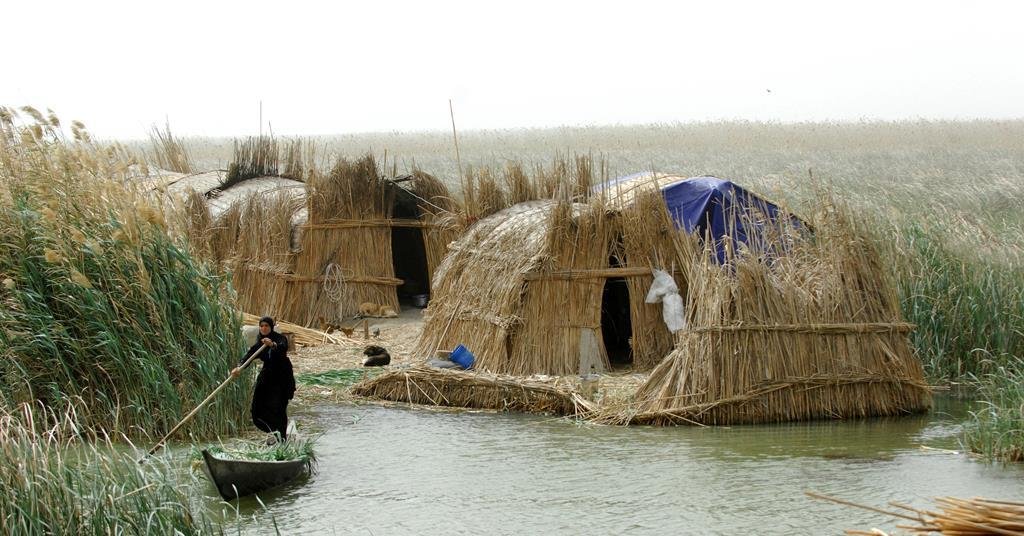
Critics sometimes call solarpunk idealistic. They say it is more aesthetic than practical. However, proponents point to real examples. Living root bridges in India and reed villages in Iraq show how communities can live in harmony with their lands. Tools and structures that blend with ecosystems are functional and sustainable.
Solarpunk goes beyond cities. It imagines a broader era called the Symbiocene. This is a time when humans stop dominating nature and start learning from it. Technology becomes softer and shared. The goal is not endless growth. Instead, the aim is sufficiency, resilience, and wellbeing for all life.
This vision challenges current energy systems. It makes us ask hard questions about what progress really means. Clean energy, after all, can be more than zero emissions. It can be life-giving. Solar power, wind power, and water cycles can form the backbone of cities that are both modern and natural.
Solarpunk may still be a movement in formation. Yet its ideas matter. They push clean energy thinking beyond efficiency. They place ecosystems at the centre of design. And they offer a future where technology meets nature with respect, creativity, and hope.
Reference- Aeon Essay, Solarpunk Generation website, Architectural Guidance, UNDP website