



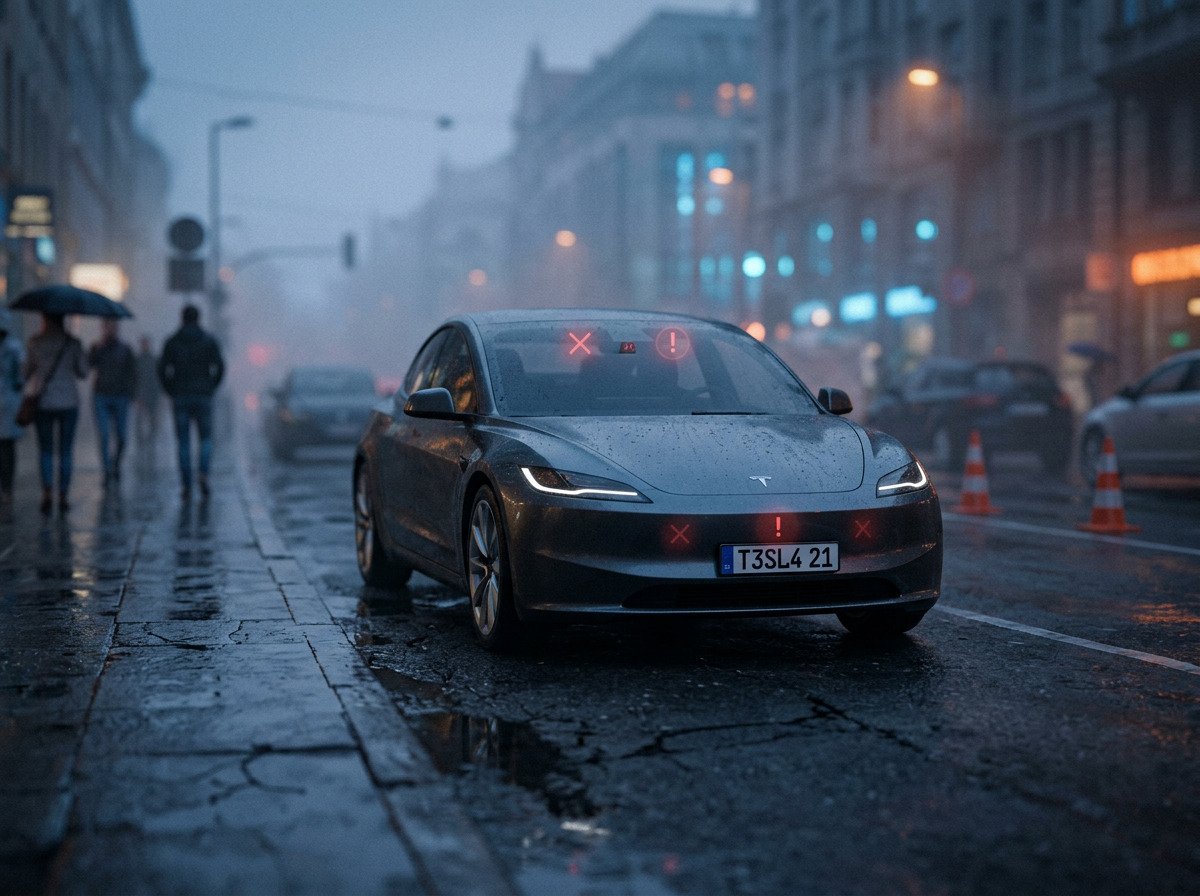
Tesla is quietly stepping back from one of its most recognizable features — Autopilot — after years of criticism, regulatory scrutiny and legal pressure. The shift signals a more cautious phase for the electric vehicle maker’s self-driving ambitions.
A report suggests that Tesla has reduced the prominence and availability of its Autopilot system in North America, where scrutiny has been the highest. Tesla no longer pushes the feature as aggressively to new buyers, despite heavily marketing it in the past.
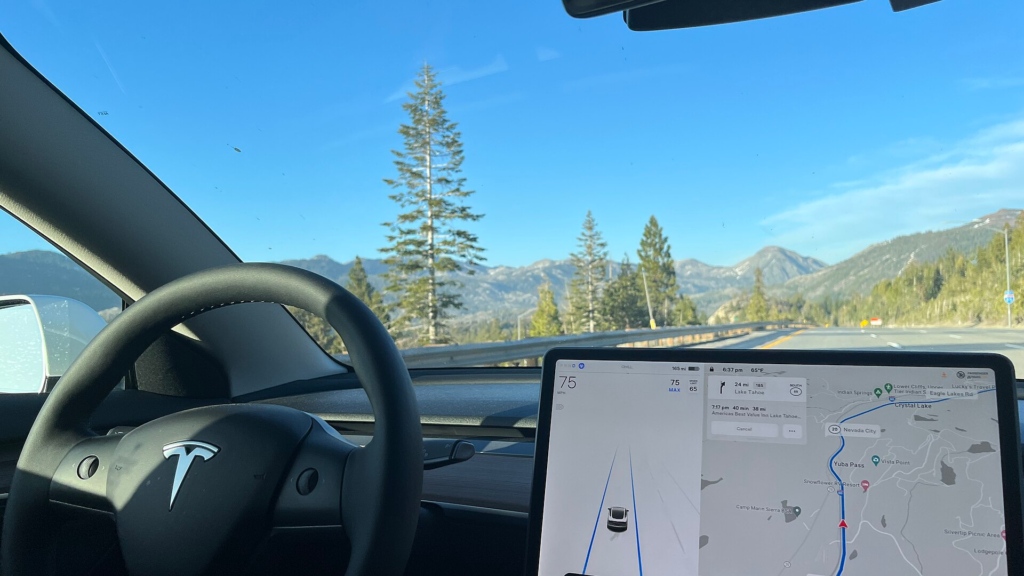
At the core of the issue is a mismatch between perception and reality. Tesla’s Autopilot has always been a Level 2 driver-assistance system, meaning drivers must stay fully attentive and ready to take control at all times. Yet the name itself led many users to assume a higher level of autonomy.
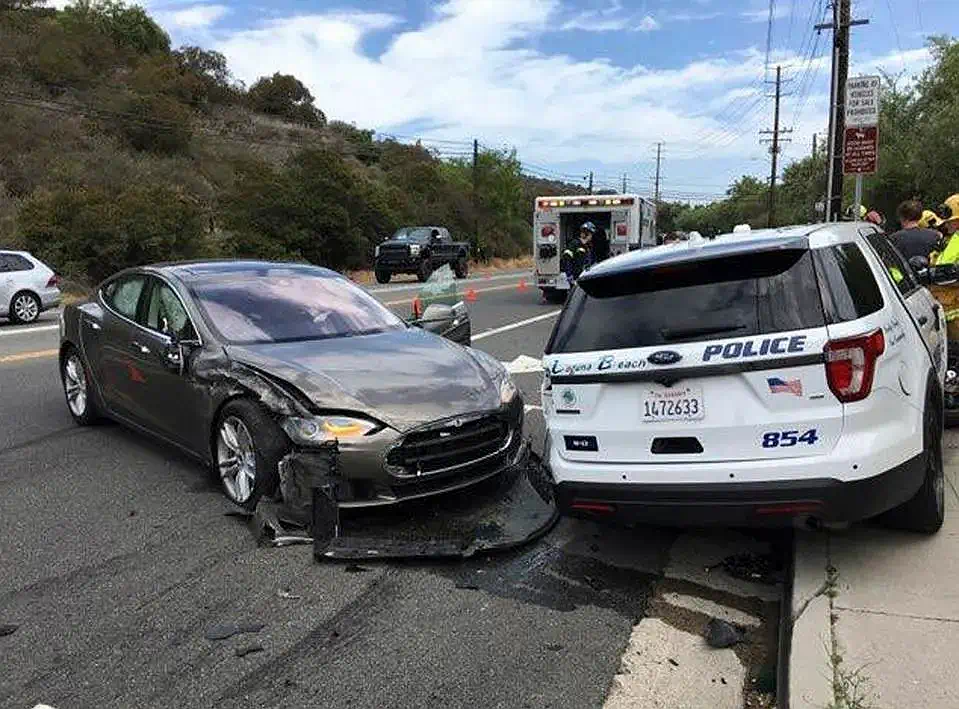
That misunderstanding has had consequences. Investigations have linked the system to hundreds of crashes and several fatalities, drawing attention from regulators and safety agencies. In one major case, a U.S. court upheld a $329 million verdict tied to a fatal Autopilot-related accident.
Critics have long argued that branding played a role in these incidents. Terms like “Autopilot” and “Full Self-Driving” created expectations that the technology could not fully meet. Studies have shown that drivers tend to become less attentive when they believe the system is more capable than it actually is.
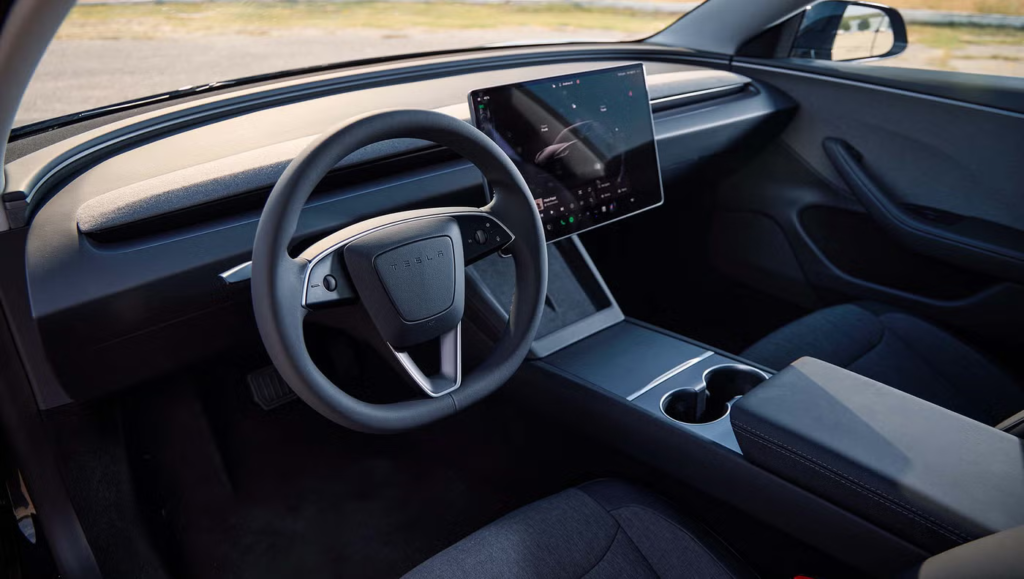
Regulators have started to act. In California, Tesla was required to adjust how it describes its technology to avoid misleading consumers. The company has since leaned toward clearer terms such as “Full Self-Driving (Supervised),” signalling that human oversight remains essential.
At the same time, Tesla is changing how it sells these features. Advanced capabilities are increasingly being offered through paid subscriptions, rather than as standard inclusions. Some critics argue this approach prioritizes revenue over widespread safety adoption.
There is also a broader industry lesson here. Semi-automated systems can create a false sense of security. When a car handles most tasks correctly, drivers may relax too much. That gap — between human expectation and machine limits — is where risks emerge.
Tesla continues to defend its technology, saying it improves safety and reduces driver fatigue. But the debate is far from settled. The promise of self-driving cars still holds. However, this moment shows that trust, clarity and regulation will shape how fast that future actually arrives.
Reference- Futurism, Car&Drive, Ars Technica, NHTSA, Wikipedia, InsideEVs, Reuters