


Greenland is back in the headlines.
Once again, U.S. President Donald Trump’s interest in acquiring the Arctic island has drawn global attention. The renewed focus has triggered debate on geopolitics, security, and resources. Trump continues to view Greenland as strategically vital for the United States.
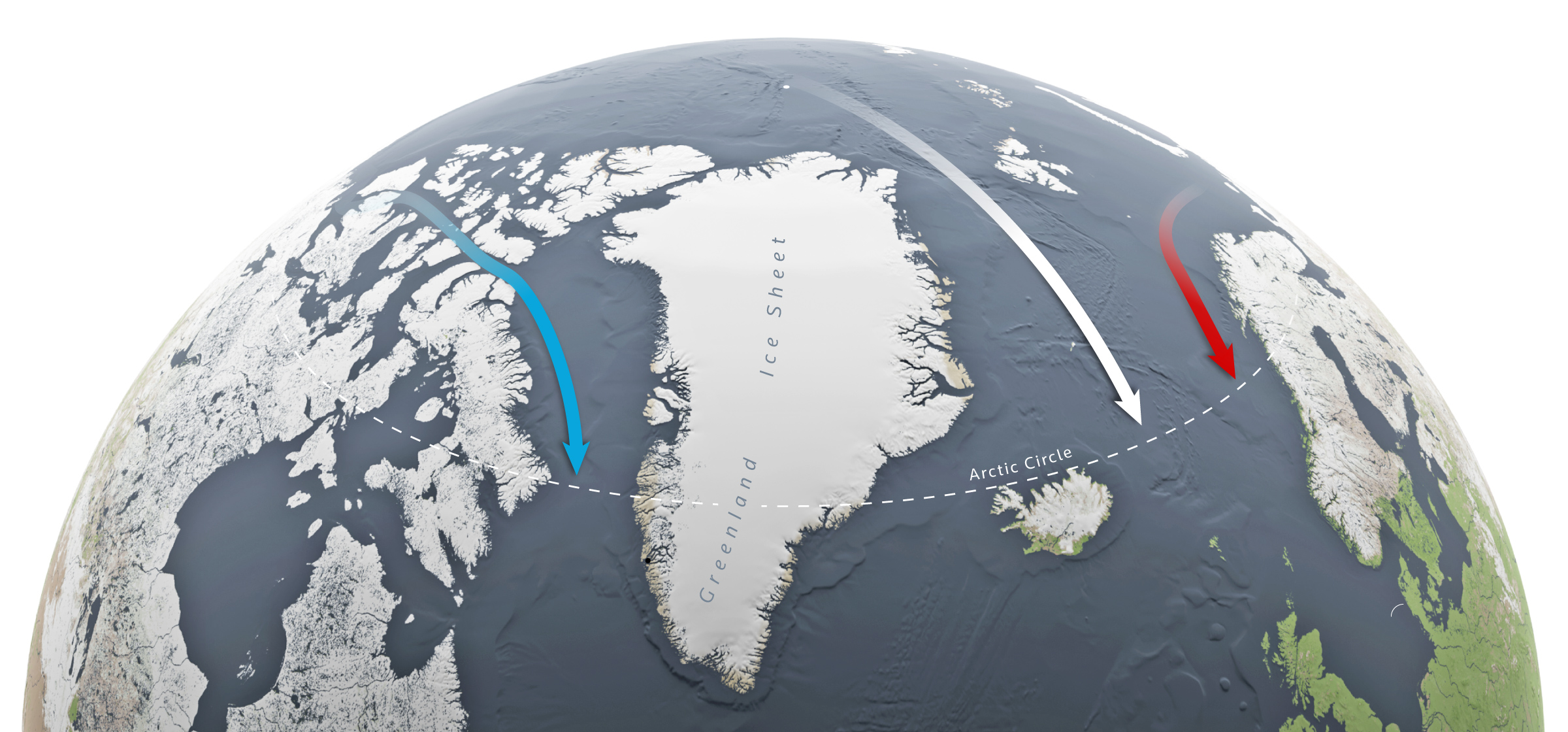

Greenland’s location matters.
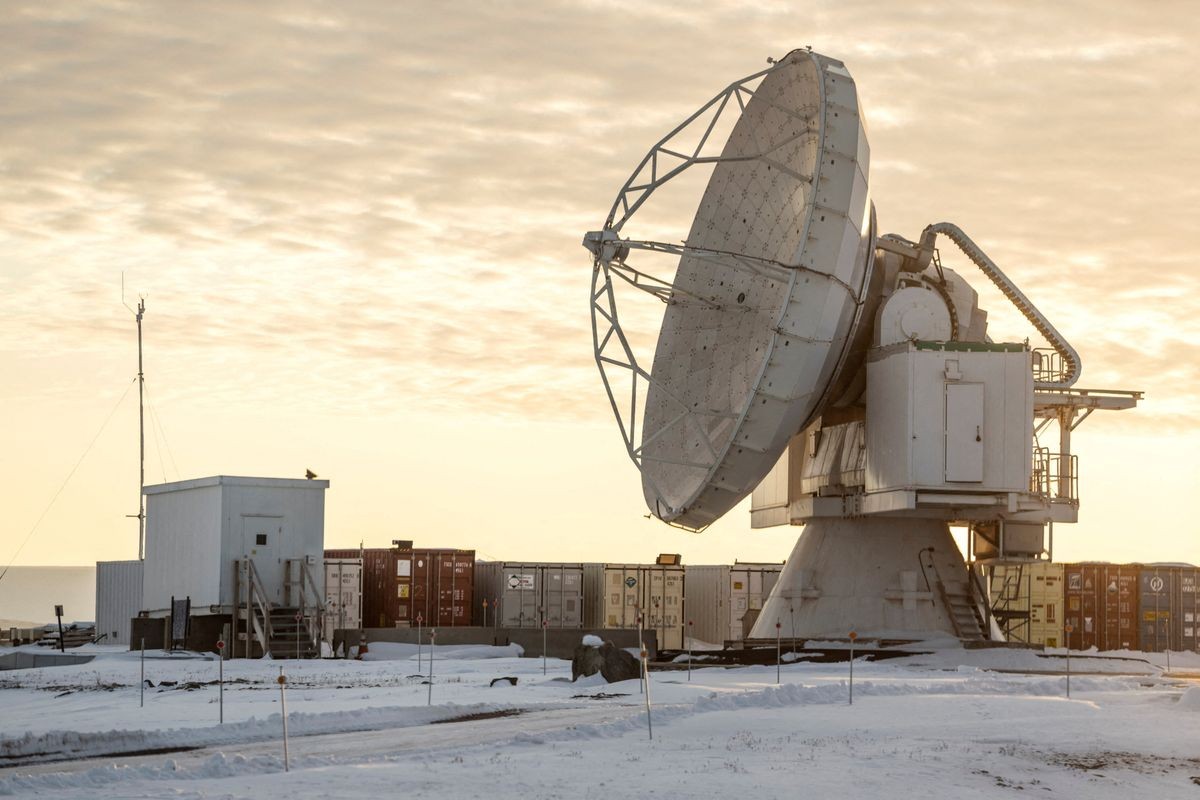
The island sits between North America and Europe. It hosts the Pituffik Space Base, a key U.S. military installation used for missile warning and space surveillance. Because of this, Greenland plays a growing role in Arctic defense planning. As Arctic ice melts, new shipping routes are also emerging. That has raised global interest in the region.

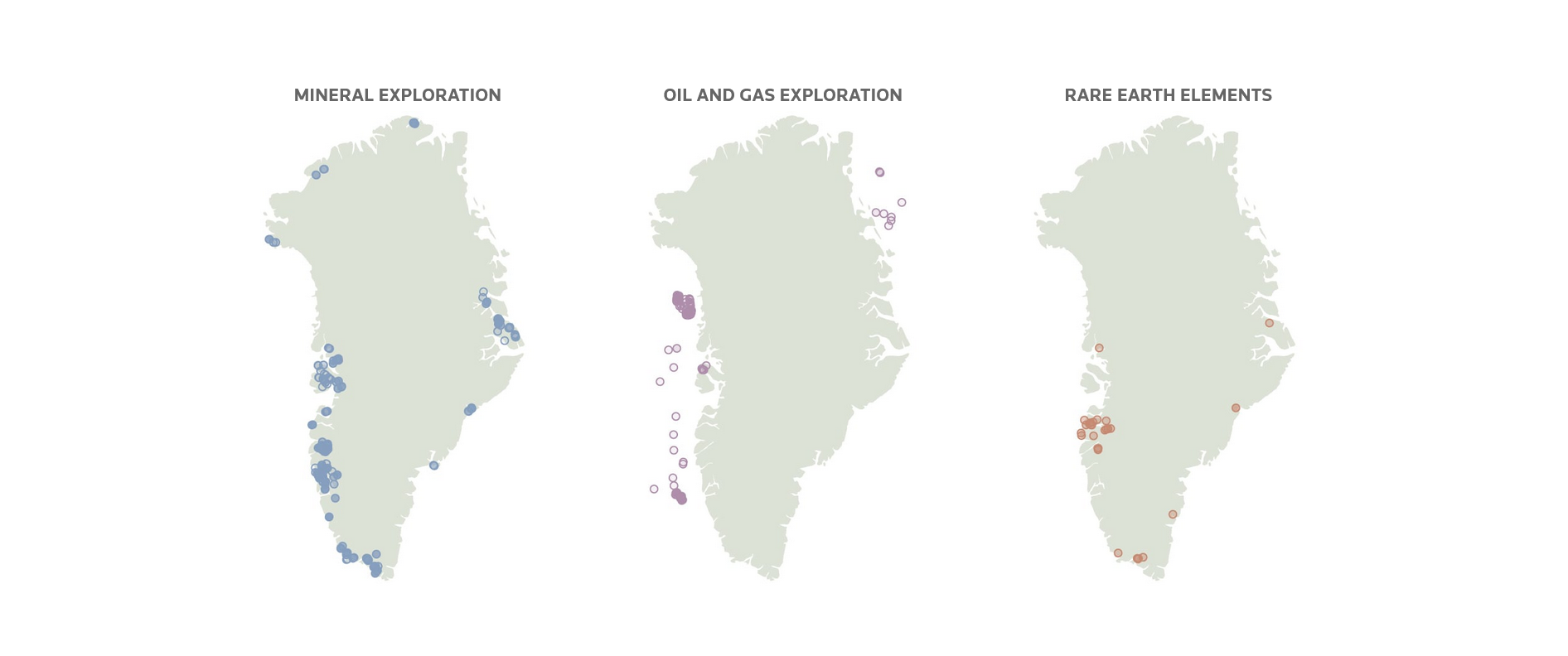
Resources add to the appeal.
Greenland holds rare earth minerals critical for clean energy technologies, electric vehicles, and defense systems. It also has potential oil and gas reserves. As demand for clean energy materials rises, competition for access has intensified. Analysts say this is one reason the Arctic has become a new arena for global power rivalry.

However, the proposal faces firm resistance.
Denmark has repeatedly stated that Greenland is not for sale. Greenland’s leaders have echoed this view. They stress that only Greenlanders can decide the island’s future. European allies have also warned that such moves could strain diplomatic ties within NATO.
Meanwhile, climate change adds urgency.
The Arctic is warming faster than the rest of the planet. This has made Greenland central not just to security debates, but also to climate and energy discussions. Decisions taken today could shape future access to clean energy minerals and fragile ecosystems.