



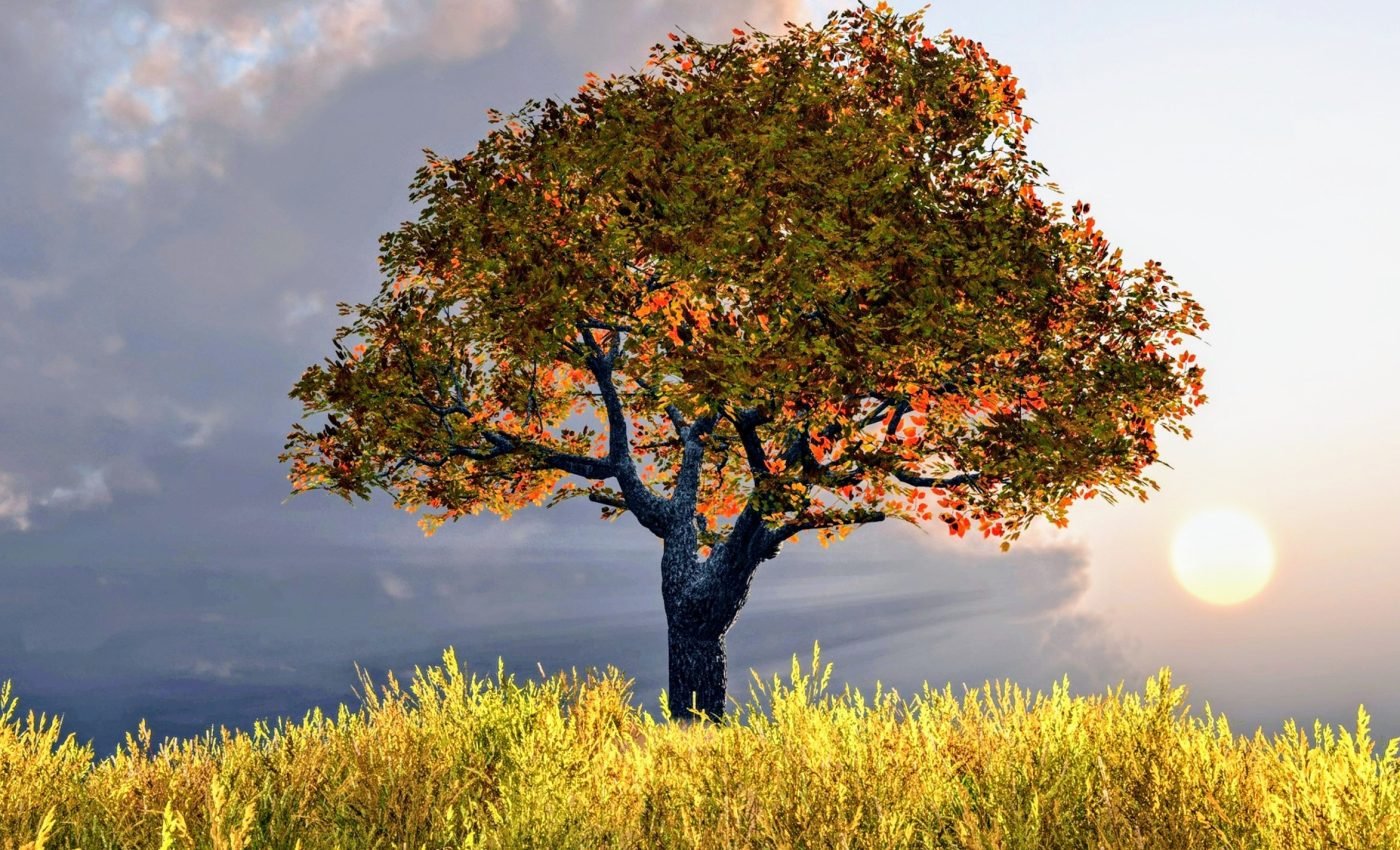
Trees matter more than many realize. They appear simple. Yet forests are complex, life-supporting systems. They shape our climate, our air, and our health.
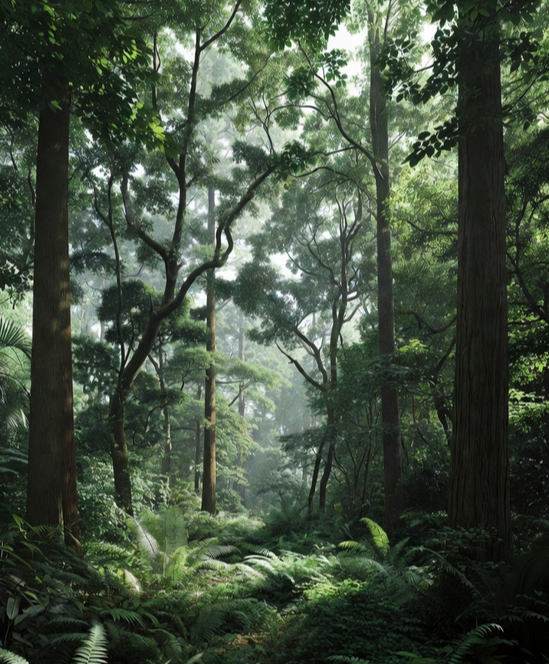
There are more than 3 trillion trees on Earth. According to global tree inventories, scientists estimate this number. Moreover, each tree acts as a living carbon sink. Forests absorb carbon dioxide from the atmosphere, and as a result, this slows climate change. In fact, some studies estimate that forests remove around 7.9 billion tonnes of CO₂ each year. Therefore, this net effect makes forests essential to our climate strategy.
Trees also feed millions of species. Roughly 80 % of terrestrial life lives in forests, according to global ecosystem surveys. Many of these species depend on forest structure and stability for survival.
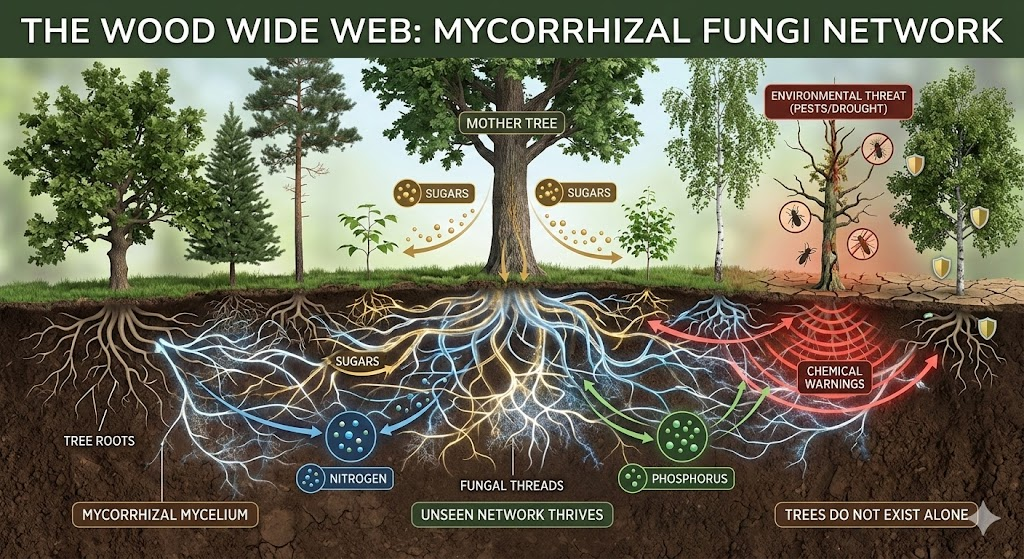
Underneath the soil, an unseen network thrives. Trees do not exist alone. They are connected by mycorrhizal fungi. Through these fungal threads, trees can send sugars, nitrogen, phosphorus, and even chemical warnings about environmental threats like pests or drought. Modern science often calls this the “Wood Wide Web.”
Trees are nature’s climate engineers. One mature tree can absorb up to 48 lbs of CO₂ per year. Over decades, that adds up. Forests are powerful carbon stores. They trap carbon in wood, leaves, roots, and soil.
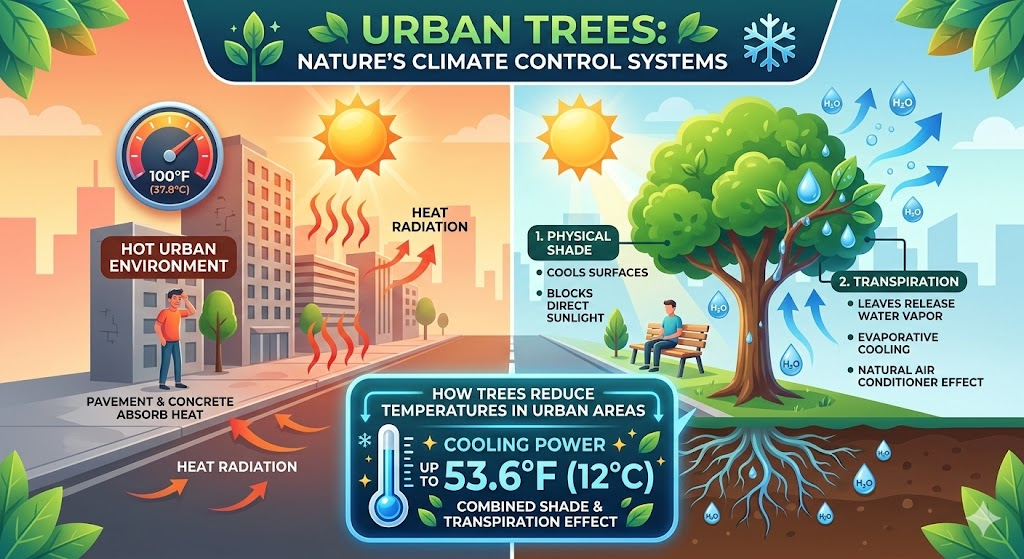
Trees are literal climate control systems. In cities, where pavement and concrete absorb and radiate heat, trees act as natural air conditioners. Through a process called transpiration, trees release water vapor into the air, which cools the surrounding environment. Combine that with the physical shade they provide, and trees can reduce temperatures in urban areas by up to 53.6°F(12 degrees Celsius)!
Yet forests are under threat. As much as 10 million hectares of trees are cut annually. Meanwhile, people replant only roughly half that area. This imbalance fuels carbon emissions and biodiversity loss.
The loss is not just about trees. It is about ecosystems breaking down. With fewer forests, local climates grow unstable. Soil degrades and watersheds weaken.
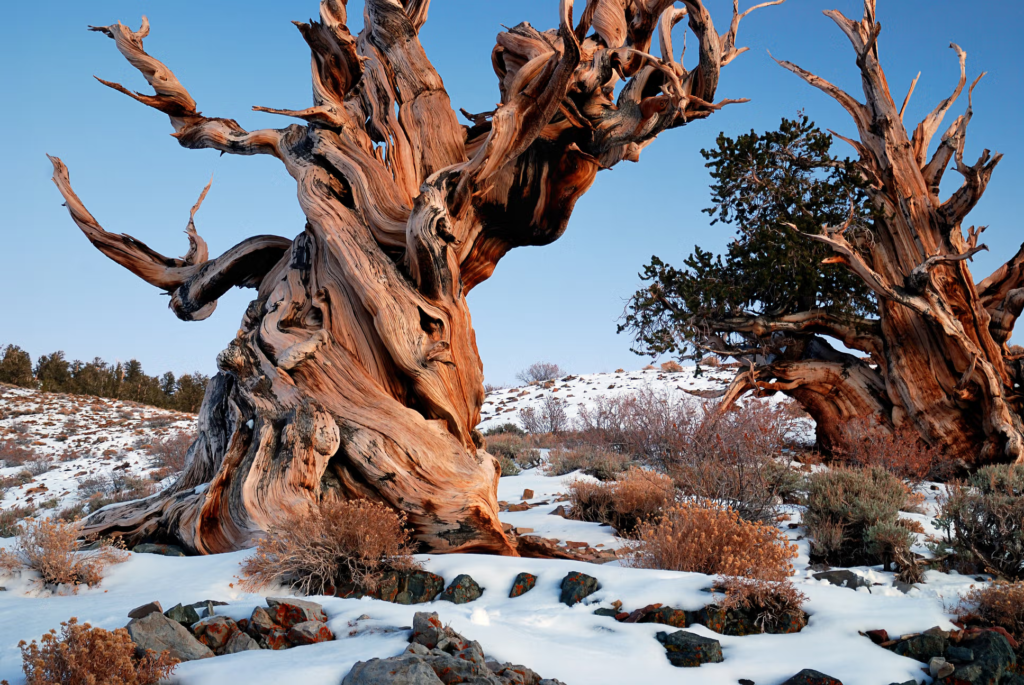
Even so, forests remain resilient. Some of the world’s oldest trees are over 4,000 years old. For example, the bristlecone pine grows in the White Mountains and has survived ice ages and storms. One tree, “Methuselah,” is estimated to be 4,853 years old, and it is considered the oldest known non-clonal organism on Earth.
For climate and communities worldwide, preserving and restoring forests must stay a priority. When trees thrive, people thrive. When forests are respected, our climate has a better chance.
Reference- EARTHDAY.ORG, Open Book Publishers, The New Yorker, Arbor Day Foundation, Nature, National Geographic