



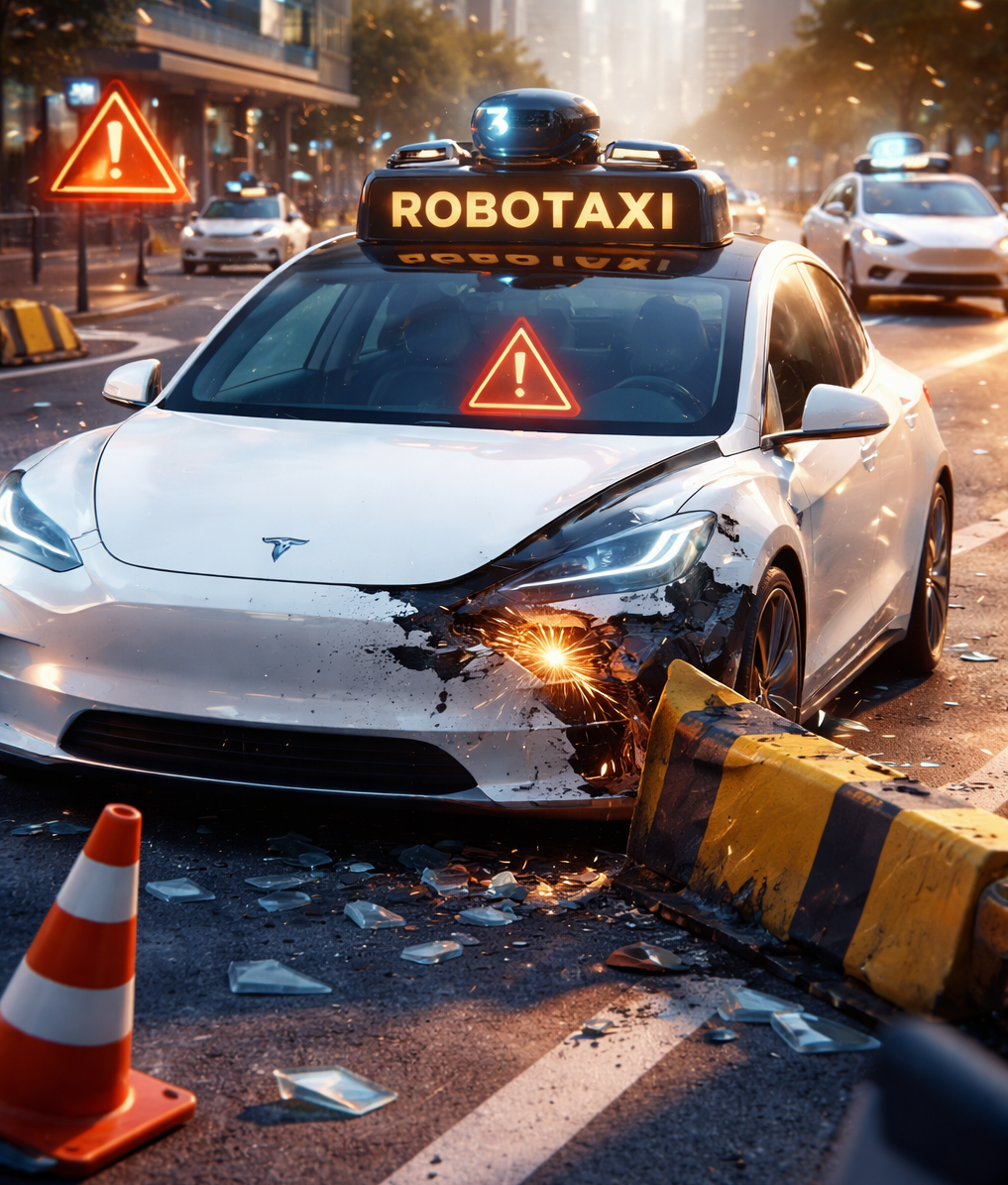
Tesla’s robotaxi program has drawn sharp scrutiny. New data shows the service in Austin, Texas, is crashing more often than human drivers. Safety claims from autonomous vehicle developers are now under intense focus.
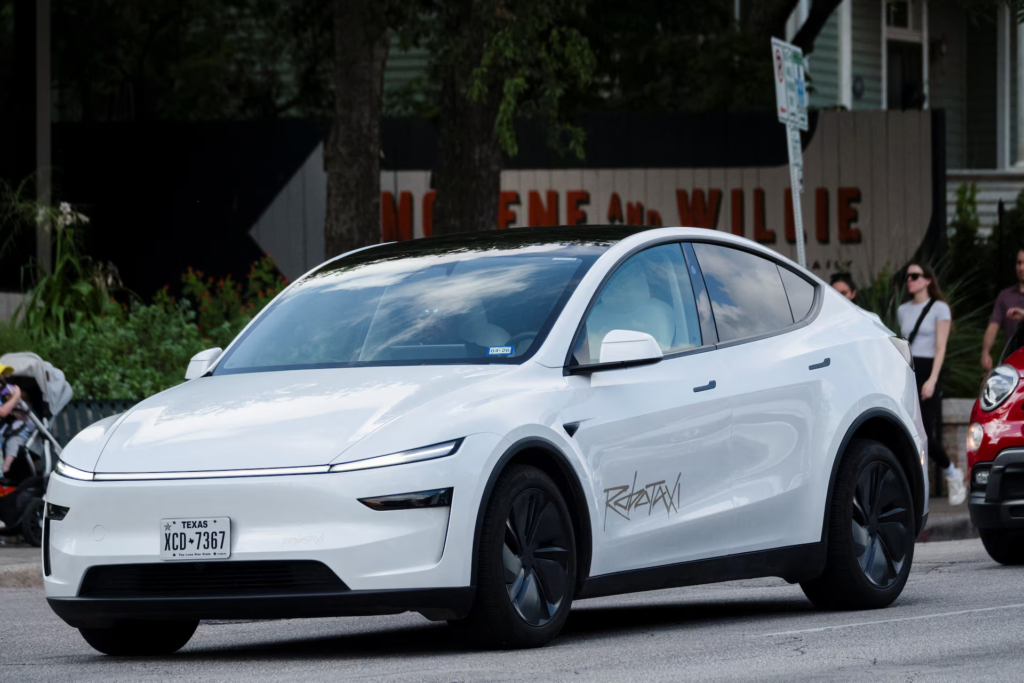
According to recent filings to the U.S. National Highway Traffic Safety Administration, Tesla reported five new robotaxi crashes between December 2025 and January 2026. The total now stands at 14 documented incidents since the service launched last June.
Tesla’s own mileage figures suggest its robotaxis have covered roughly 800,000 miles in paid service. Based on this, the crash rate works out to about one incident every 57,000 miles. By contrast, Tesla’s Vehicle Safety Report notes that the average American driver experiences a minor collision about once every 229,000 miles.
Tesla’s autonomous taxis are crashing nearly four times as often as human drivers, even though every vehicle has a trained safety monitor inside. Some of the new incidents include low-speed impacts with fixed objects and contact with a bus while the robotaxi was stationary.
Details of many crashes are heavily redacted in filings. Tesla cites “confidential business information” to withhold narrative descriptions. This opacity stands in contrast with competitors such as Waymo, which provides full incident narratives and operates large fleets with no safety monitors. Independent research indicates Waymo’s system reduces injury crashes by a significant margin compared with human drivers.
Safety advocates argue that transparency is key to public trust. Autonomous vehicles must prove they are safer than human drivers before widespread deployment. Yet critics say early data from Tesla’s pilot raises concern.
Tesla has not issued a detailed public statement about the latest figures. Meanwhile, expansion plans for robotaxi services continue, despite the mixed safety record. The long-term promise of autonomously driven fleets relies on robust safety performance. Tesla’s current numbers suggest there is still work ahead to align reality with expectations on road safety.
Reference- Futurism, Electrek, InsideEVs, eWeek, DEXERTO