



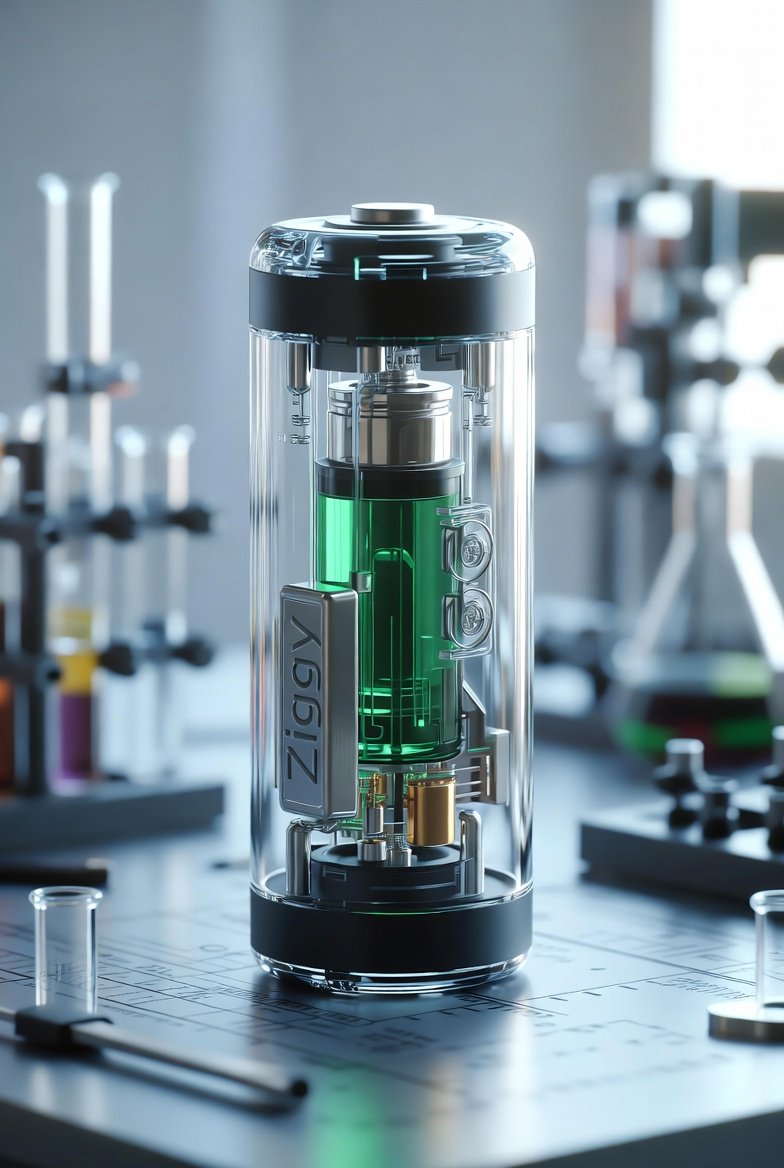
A new type of battery is gaining attention. It is biodegradable. It could power short-life devices without leaving hard waste behind. This development comes as battery waste becomes a growing concern worldwide.
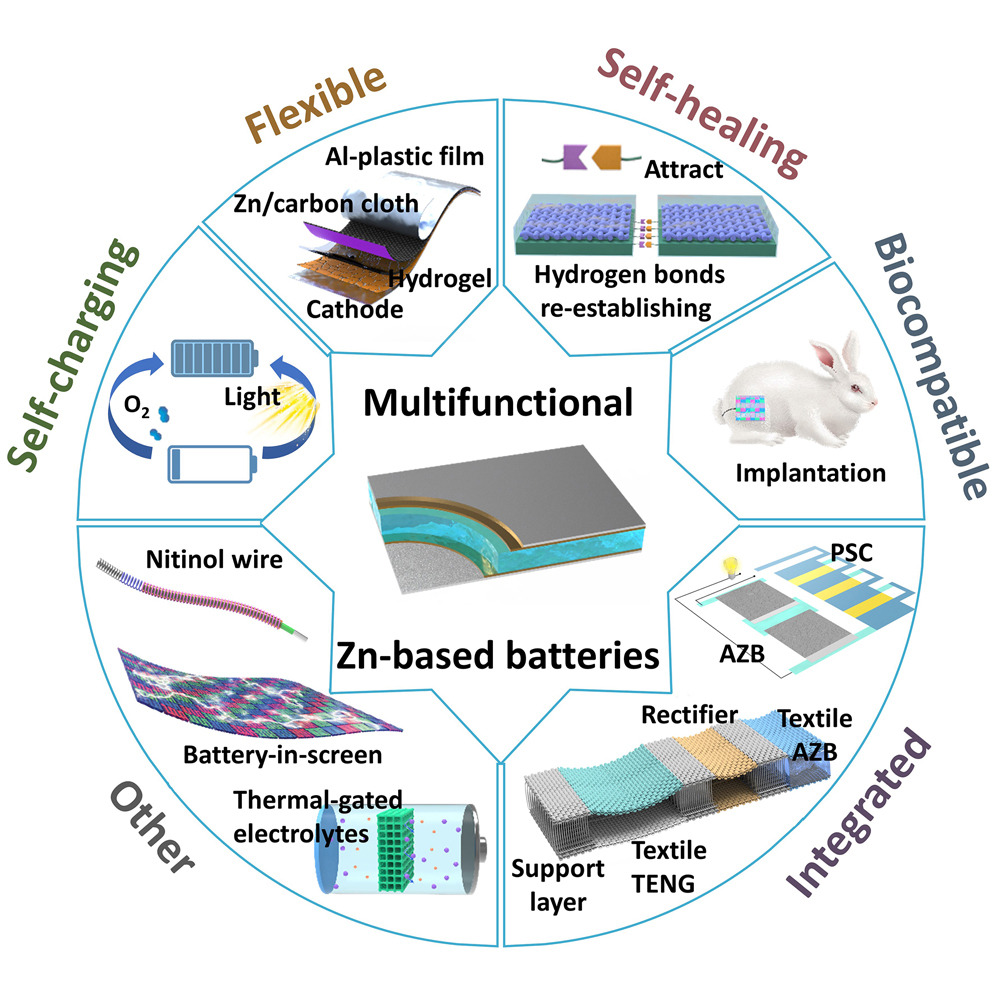
Engineers and researchers have designed a battery in the aqueous zinc-ion family, built to break down under composting conditions. The design uses water-based chemistry that is milder than many conventional cells. Batteries like this are nicknamed “Ziggy.” Ziggy is engineered so some components degrade in compost.
In trials, these batteries delivered power similar to some lithium-ion cells. Under the latest advances, they reached about 150 watt-hours per kilogram. That output matches or even exceeds some traditional batteries in small applications. Some designs also allow users to recharge them.
Proponents say biodegradable batteries could cut persistent plastics and heavy metals in mixed waste streams. Because they dissolve, users would not need to collect them after deployment in hard-to-reach sites like agricultural sensors.
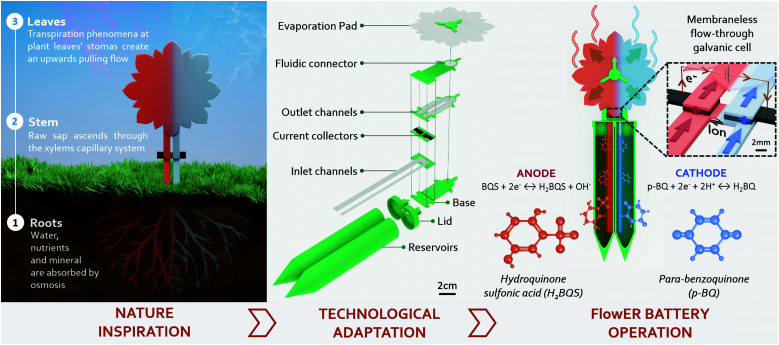
Yet there are challenges. If the battery decomposes in soil without appropriate recovery, zinc and chloride concentrations could rise to unsafe levels. That can hamper soil quality and plant health. This risk shows that “biodegradable” does not always mean harmless.
The comparison with lithium-ion is stark. Lithium-ion waste contains toxic materials such as lithium, cobalt, and nickel. These elements can harm soil, air, and water if released. Recycling rates for lithium-ion are also low, often below 40 %. This reality has driven interest in lower-impact battery chemistries.
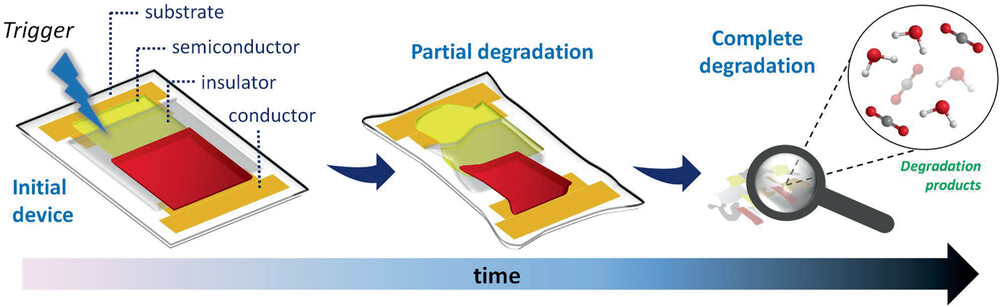
Still, biodegradable batteries are no silver bullet. Their production impacts must be understood. Manufacturing emissions, composting standards, and end-of-life safety all require careful regulation.
Some researchers argue that policymakers need to set clear standards before large-scale deployment begins. Without them, biodegradable batteries might trade one set of environmental challenges for another.
In short, biodegradable batteries like Ziggy show promise. Yet they must be developed responsibly. Only then can they play a meaningful role in a cleaner energy future.
Reference- EARTHDAY.ORG, National Library of Medicine, Advanced Science, Sciencedirect