




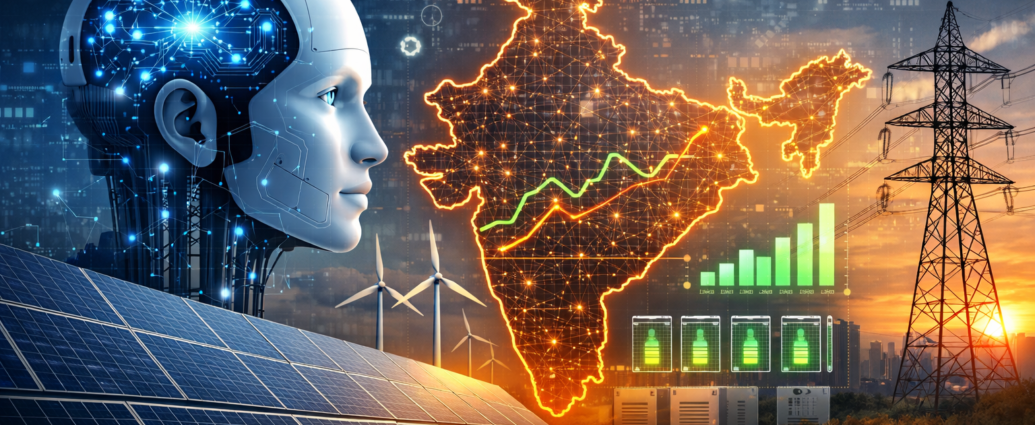
Artificial intelligence (AI) is reshaping the clean energy sector in India. It is no longer a niche tool. It is a strategic necessity. AI now plays a role from grid management to renewable forecasting.

India’s energy system is under strain. At the same time, solar and wind power generation is growing fast. However, their output remains variable. To address this challenge, AI helps balance supply and demand in real time. Algorithms can predict how much solar power will be produced hours ahead. As a result, grid stability improves and waste declines. AI also guides when to store energy in batteries and when to release it, making renewables predictable.
One Indian firm, DataGlen, uses AI and IoT to manage distributed energy resources. The company’s platform has increased solar output by 7 %–10 % by cleaning panels when needed and adjusting performance in real time. This kind of solution reduces maintenance costs and raises energy yield.
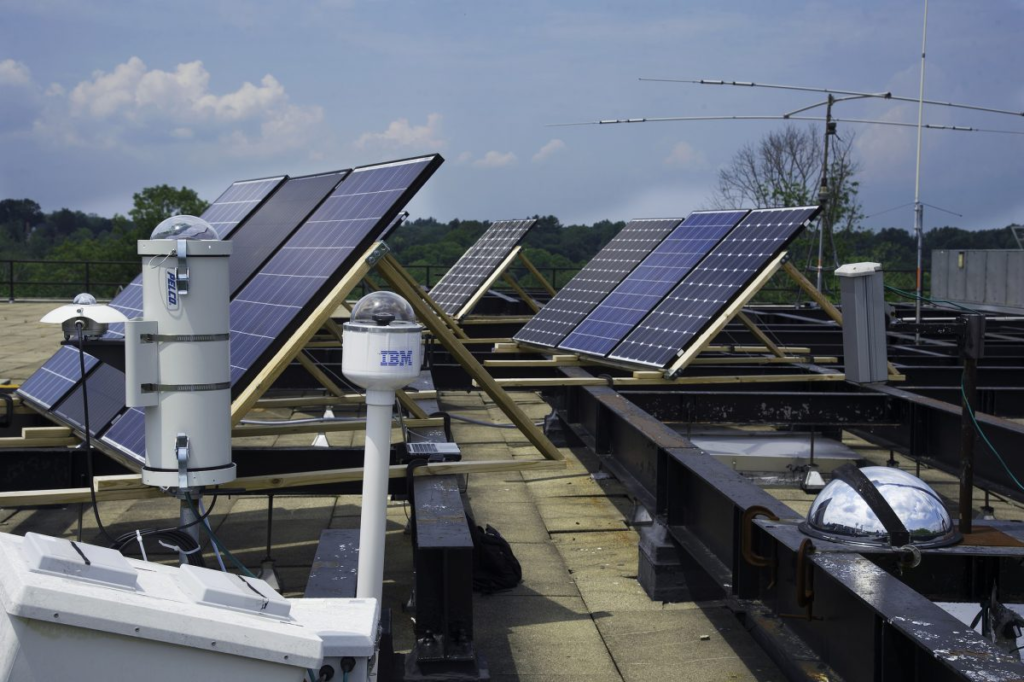
States are also adopting AI. Rajasthan has started piloting AI-driven systems that match city energy demand with fluctuating solar and wind supply. These systems communicate with smart meters, EV chargers, and battery storage to optimize usage.
AI powers predictive maintenance too. Wind turbines and solar farms suffer from wear and tear. Machine learning can spot early signs of failure before outages occur. This keeps clean energy assets running longer and at lower cost.
Grid operators in Maharashtra are partnering with digital initiatives like GEAPP to use AI for load forecasting and distributed renewable energy management. This helps stabilize grids and integrate solar and wind more efficiently.

Clean energy demand is also rising because of data centers. Major Indian energy companies are building AI-ready infrastructure powered by renewables. These facilities emphasize sustainable power supply while meeting AI computing needs.
AI’s role is not limited to operations. Energy trading and market optimization benefit too. Algorithms analyze price trends and recommend when utilities should buy or sell power. This can lower costs for consumers and businesses alike.
Still, hurdles remain. High-quality data and reliable digital infrastructure are needed for AI to scale across rural grids. Skills shortages also slow implementation. Yet the trend is clear. AI is a catalyst for India’s clean energy transition. It makes systems smarter, grids more resilient, and renewables more reliable. As adoption grows, India’s path to net-zero will be faster and more cost-effective.
Reference- IndiaAI website, Reuters, Times Of India, Electrical India