




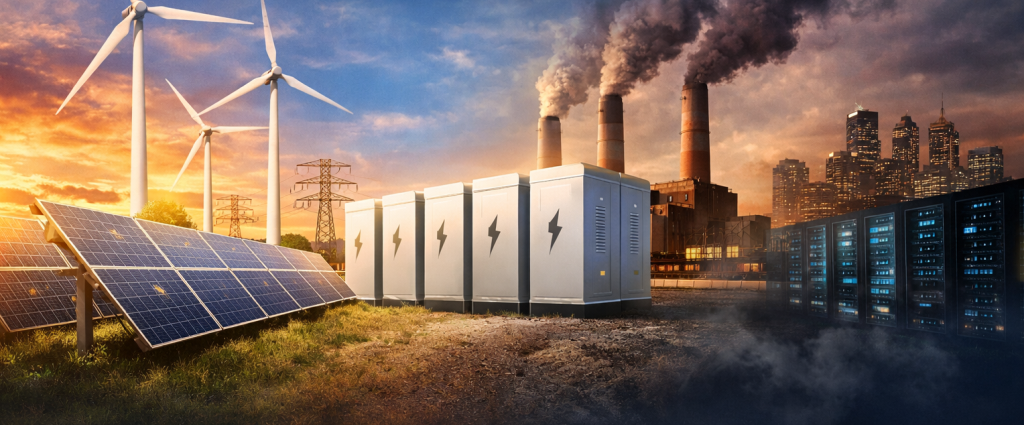
Power demand is rising rapidly. Tech hubs and data centers draw enormous amounts of electricity. In the United States, regulators are now weighing how to supply power to a new artificial intelligence data center without increasing air pollution. In Mississippi, officials therefore held a permit hearing after the NAACP and several environmental groups alleged that Elon Musk’s xAI installed 27 gas turbines without securing required air permits for its Colossus II facility.
According to the groups, these turbines could emit significant levels of nitrogen oxides and other pollutants. As a result, the project now faces the threat of legal action under the Clean Air Act.
That case highlights a global truth. When energy demand spikes, clean power matters more than ever.
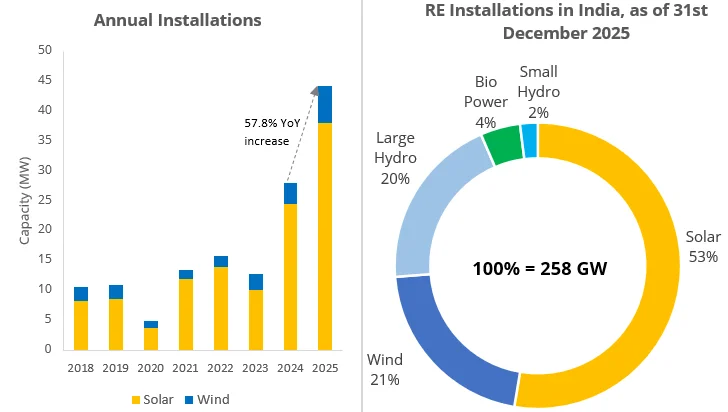
In India, the renewable energy transition is already shifting into high gear. Between April 2025 and January 2026, India added a record 52.5 GW of new power capacity, dominated by solar and wind. Renewable sources made up about 75 % of that expansion.
Yet clean power alone is not enough. Energy storage is now key. Without storage, renewable generation cannot match peak demand or back up critical loads. India is planning to expand storage-backed renewable capacity to 25–30 GW by 2028 to stabilize the grid and reduce wastage.
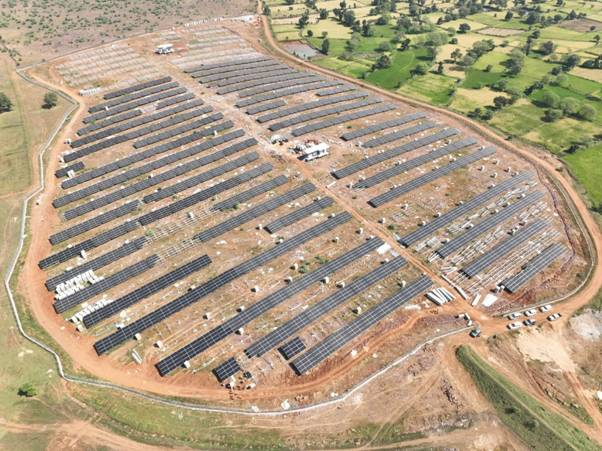
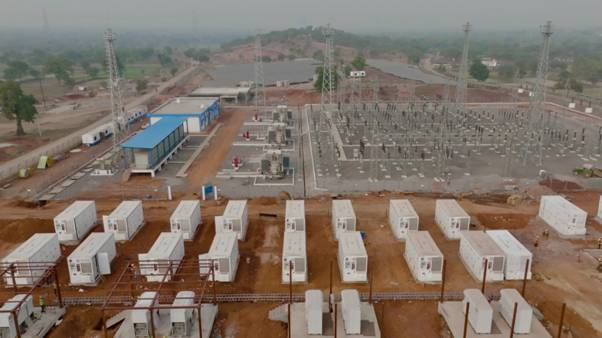
Real world examples prove it. In Chhattisgarh, a combined 40 MW solar-battery project pairs a solar plant with energy storage that stores excess power during the day and supplies it at night. This reduces reliance on fossil-fired plants and smooths grid fluctuations.
In Gujarat’s Modhera village, a 15 MWh battery system supports round-the-clock solar power supply to homes and businesses. As a result, transmission losses are reduced and dependence on diesel backup is significantly lowered.
Clean energy is measurable in data too. According to industry estimates, India’s battery energy storage capacity requirements could reach 74 GW/411 GWh by 2032, driven by renewable mandates and storage obligations.
The Mississippi case, therefore, reminds us of the stakes. Without clean power and adequate storage, tech companies and heavy industry may instead turn to fossil fuels that harm communities and accelerate climate risks. As a result, pollution burdens could increase even as digital infrastructure expands.
In contrast, India’s renewable push tells a different story. Here, renewables and energy storage are already proving that economic growth and environmental sustainability can move forward together. Moreover, early storage deployments show that reliability does not have to come at the cost of cleaner air.
For policymakers, the lesson is clear. Support storage and renewables with strong regulation and financing. For industry, the goal should be reliability without pollution. And for society, clean power is not optional—it defines our future.
Reference- Reuters, Times of India, Mercom India, Business Standard, Economic Times