



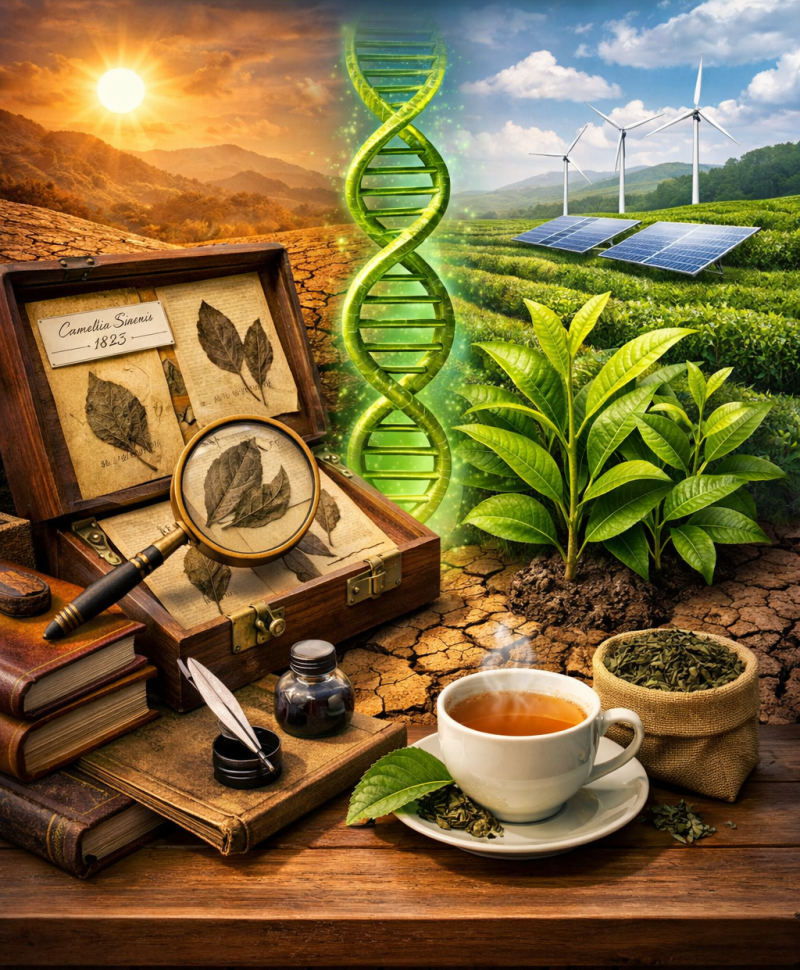
Tea is one of the world’s oldest and most consumed beverages. Yet climate change now threatens its future. Extreme droughts, heatwaves and erratic rainfall are damaging tea plantations across Asia and Africa. India’s tea output dropped about 7.8% last year partly due to such conditions, pushing up prices and narrowing harvesting windows.
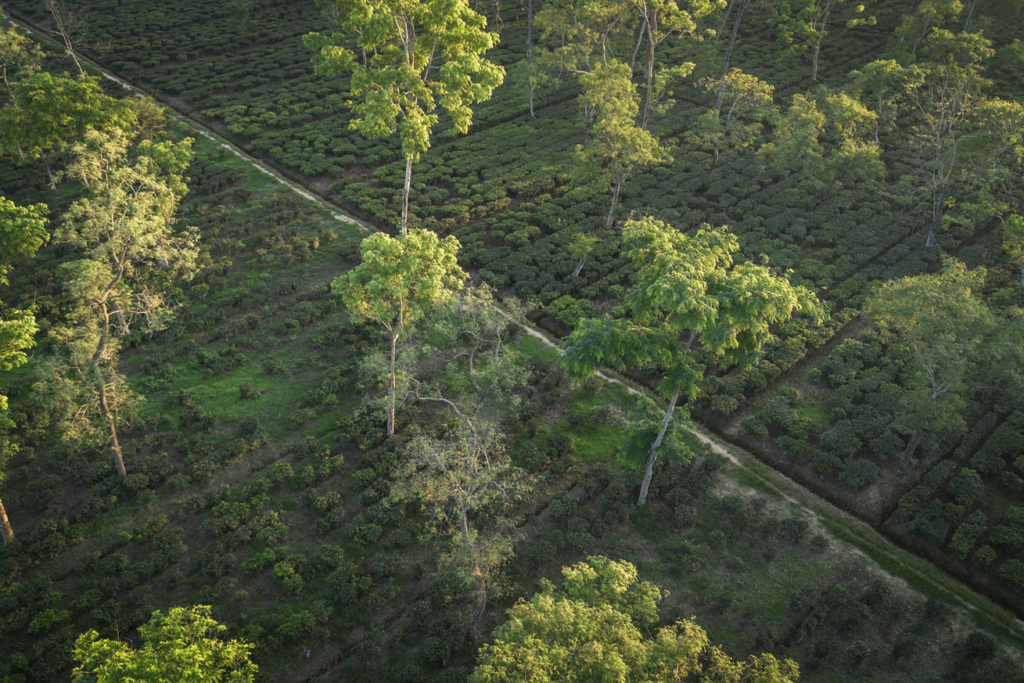
A new scientific effort aims to change that. At the University of Bristol in the UK, researchers are turning to tea leaves collected 200 years ago to help breed climate-resilient tea varieties. Researchers preserved these samples at the Royal Botanic Gardens at Kew, where they now serve as a genetic time capsule for a crop under stress.
Tea plants are long-lived. Saplings need about two years before they can be planted in fields, and healthy bushes can survive for a century. But today’s rising and more unpredictable temperatures have made many cultivars vulnerable. Dry periods can reduce leaf quality, lower yields, and even kill plants outright.
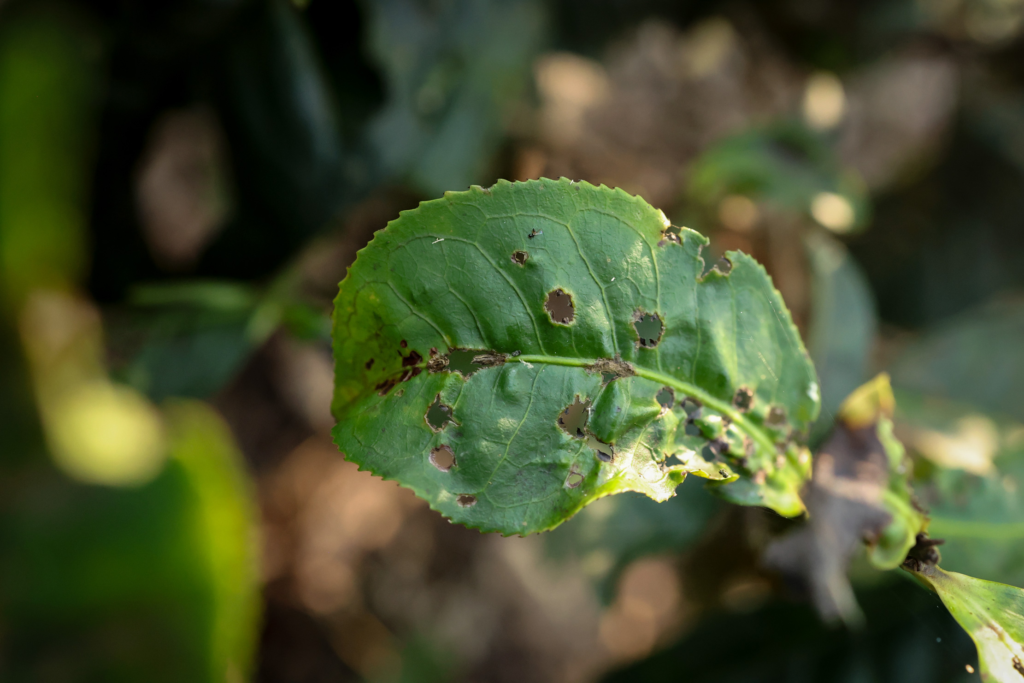
Thamali Kariyawasam, the PhD student leading the project, said the old specimens allow scientists to track how tea plants have changed over time. By doing so, researchers can compare historic genetics with modern varieties and identify traits linked to drought tolerance and heat resistance.
The research brings together the University of Bristol, Kew Gardens, the Tea Research Institute of Sri Lanka, and the University of Peradeniya, with support from Ahmad Tea. Meanwhile, Zahra Afshar, Head of Sustainability at Ahmad Tea, said climate change is already affecting production costs and reducing yields across key tea-growing regions.
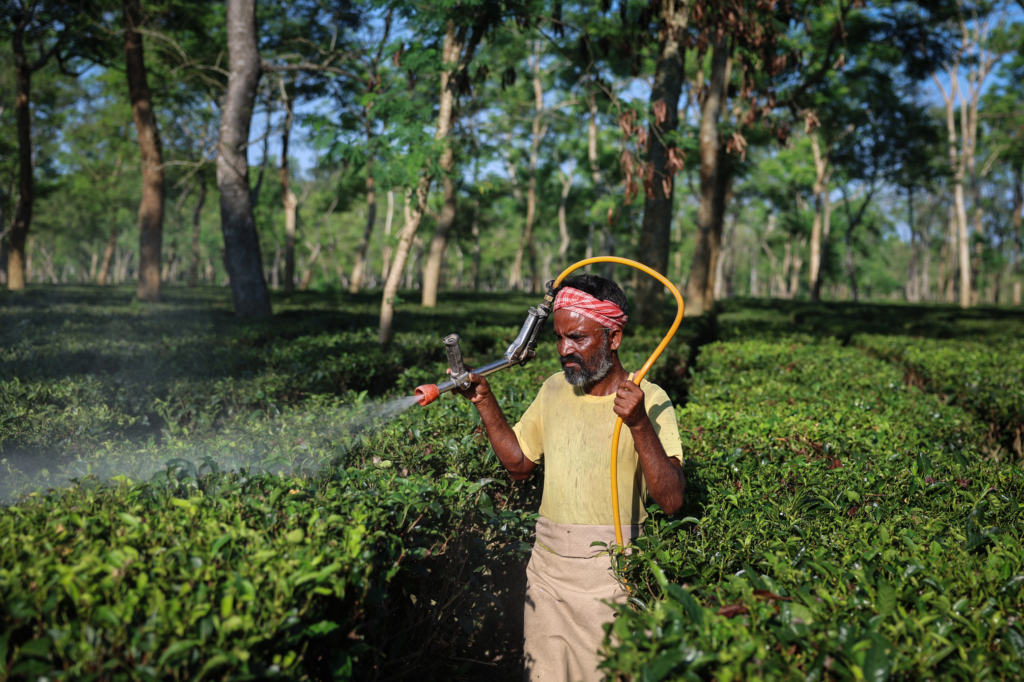
Scientists believe some older cultivars, once common in the 1800s, may carry genes that helped them cope with past climates. If confirmed, these traits could help breeders develop new, hardier tea plants. Such varieties may thrive with less water and withstand higher temperatures, enabling farmers to adapt to a warming world.
Tea quality itself is sensitive to climate. Research shows temperature and rainfall patterns affect key biochemical compounds, including antioxidants and flavor molecules. Without adaptation, climate change could shrink tea-suitable areas and diminish both yield and cup quality.
Breeding climate-resilient tea is not a quick fix. But by blending history with modern science, it offers one of the most promising paths to secure tea for future generations.
Reference- Reuters, University of Bristol, The Asian Compass, Nature, MDPI