




Earth’s low orbit is under growing strain from space debris, satellite growth and climate change. New science warns that this crucial region could deteriorate faster than expected. Low Earth orbit (LEO) supports thousands of satellites that power communication, navigation and weather systems. But recent research shows that both debris and atmospheric shifts are changing orbital stability.
Scientists at MIT found that greenhouse gases are cooling and shrinking the upper atmosphere. This process reduces atmospheric drag that normally pulls debris down to burn up. As a result, debris stays in orbit longer and risks collisions. Their study reported that by 2100 the “carrying capacity” of low orbit could shrink by up to 66 % under high-emissions scenarios.
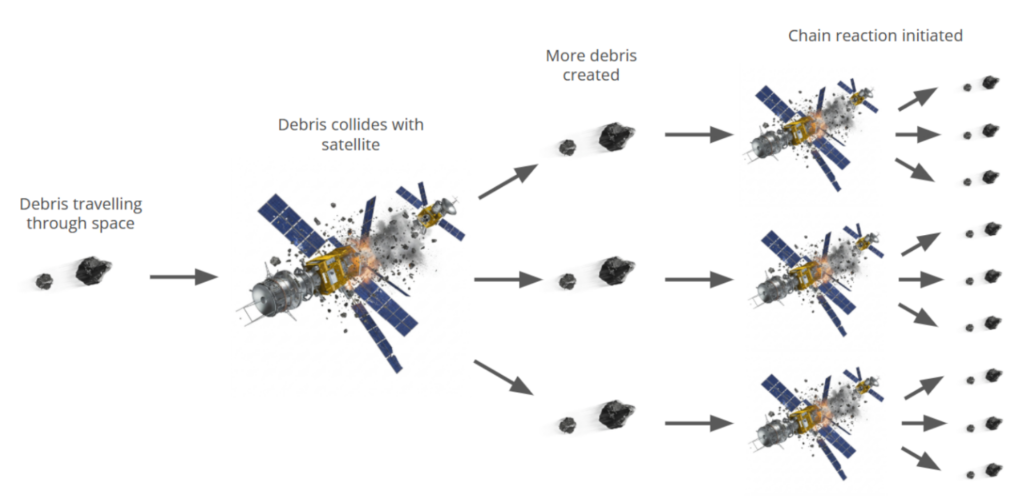
More debris increases the chance of collision. If two objects collide, they can create thousands of fragments. Each fragment becomes another hazard. This chain reaction is known as the Kessler syndrome. In theory, space could become so cluttered that satellite operations are severely limited.

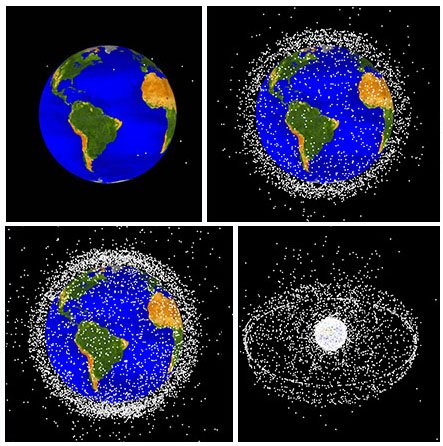
Mega-constellations like SpaceX’s Starlink highlight the problem. SpaceX operates thousands of satellites, and more are planned. Large fleets mean more opportunities for debris. Meanwhile, solar storms can accelerate orbital decay and boost atmospheric drag unpredictably.


Governments and industry now face a dual challenge. They must curb emissions to slow atmospheric contraction. They must also improve debris mitigation. Easier said than done. Coordination between nations is weak. There is no global regulator with authority to enforce cleanup standards or sustainable orbital use.
Space sustainability affects clean energy too. Many renewable energy systems depend on satellite data. Loss of reliable orbit services could disrupt grids, forecasting and climate monitoring. Therefore, space debris is not just a space issue. It is an Earth issue.
Scientists warn that without swift action, low orbit could become less usable over time. That would raise costs for all users of space. It could also limit future clean-energy and climate monitoring technologies that rely on satellite infrastructure.
Reference- MIT News, Futurism, Nature, Space, Phys.Org.