



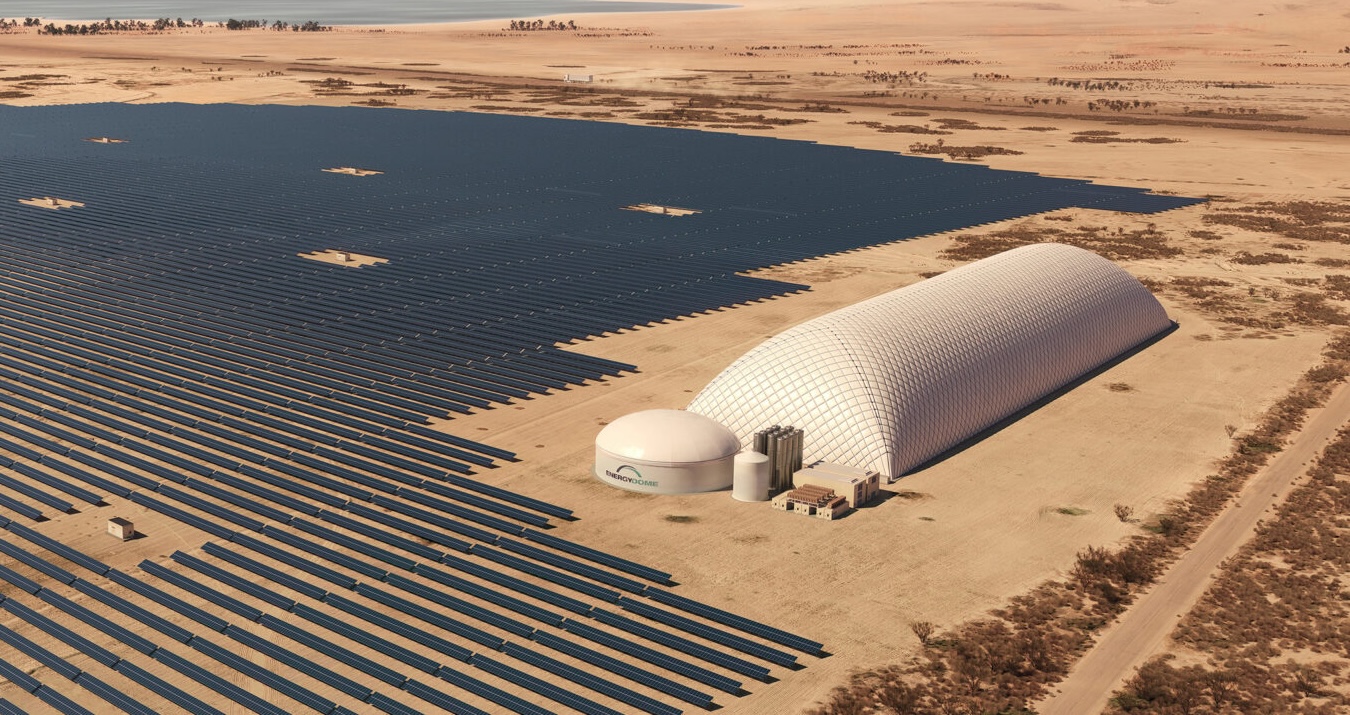
Google is moving to solve one of renewable energy’s biggest problems: how to store green power longer. Renewables like solar and wind don’t produce energy all the time. Power often drops when the sun sets or the wind slows. Long-duration energy storage (LDES) aims to fix this gap. Scientists and engineers are working on many systems. Now, a new CO₂ battery concept is gaining attention.
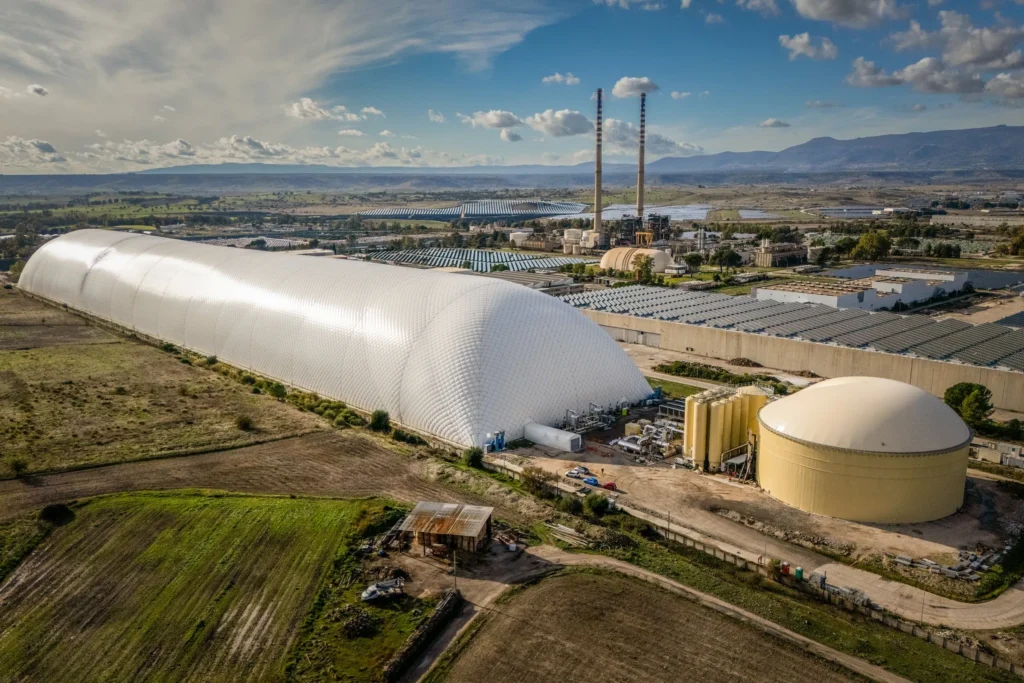
The CO₂ battery uses compressed carbon dioxide gas to store electricity. When excess renewable energy is available, CO₂ is pressurized and cooled. This turns it into a liquid. Later, the liquid is heated back into gas. As CO₂ expands, it drives turbines to produce electricity. A full system can store 200 megawatt-hours of power—enough for thousands of homes for a day.
Google has partnered with Energy Dome, an Italian firm that developed this technology. The company built a demonstration CO₂ battery in Sardinia, Italy. Google plans to deploy similar systems near its major data centers in Europe, the U.S., Asia-Pacific and India.
The partnership supports Google’s goal of 24/7 carbon-free energy by 2030. Unlike lithium-ion batteries, CO₂ batteries use common materials. They do not depend on scarce minerals like lithium or cobalt. This reduces supply chain risks and cost. They also can hold energy much longer than conventional storage.
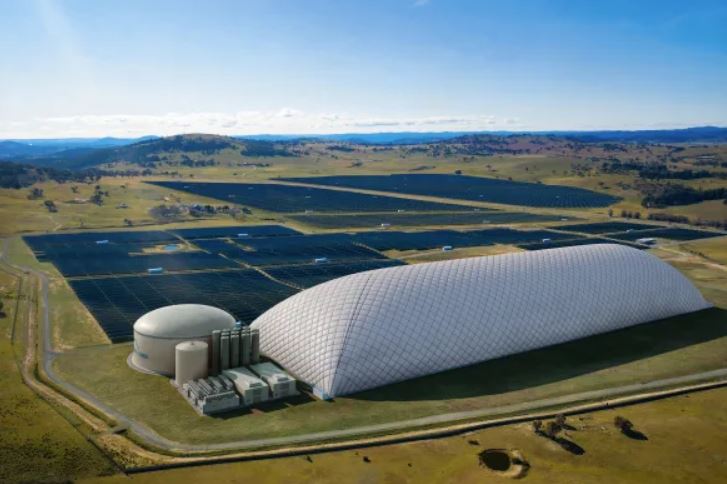
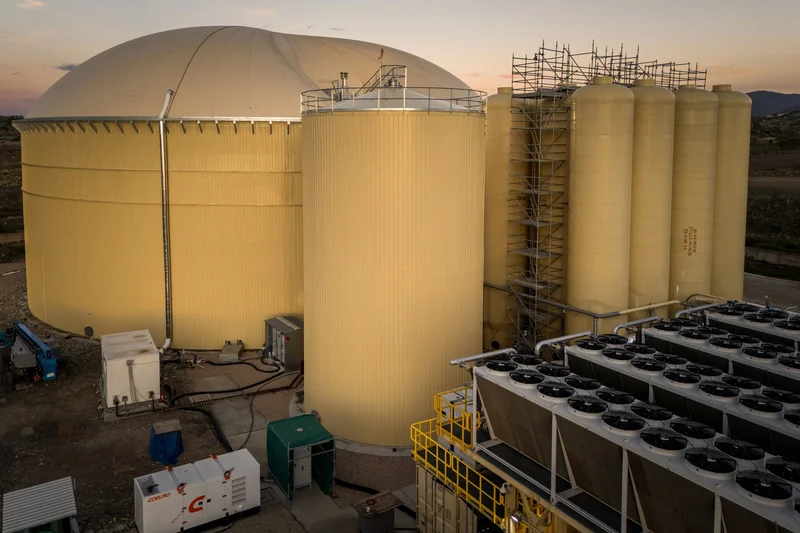
However, challenges remain. CO₂ battery domes require more space than traditional systems. Some experts also question long-term economic viability. Despite this, supporters say CO₂ storage is a promising path for grid-scale renewable backup. If scaled quickly, this technology could help make renewable power more reliable. It may also help data centers cut carbon emissions while supporting grid stability worldwide.
Reference- Futurism, IEEE Spectrum, Energy Dome