



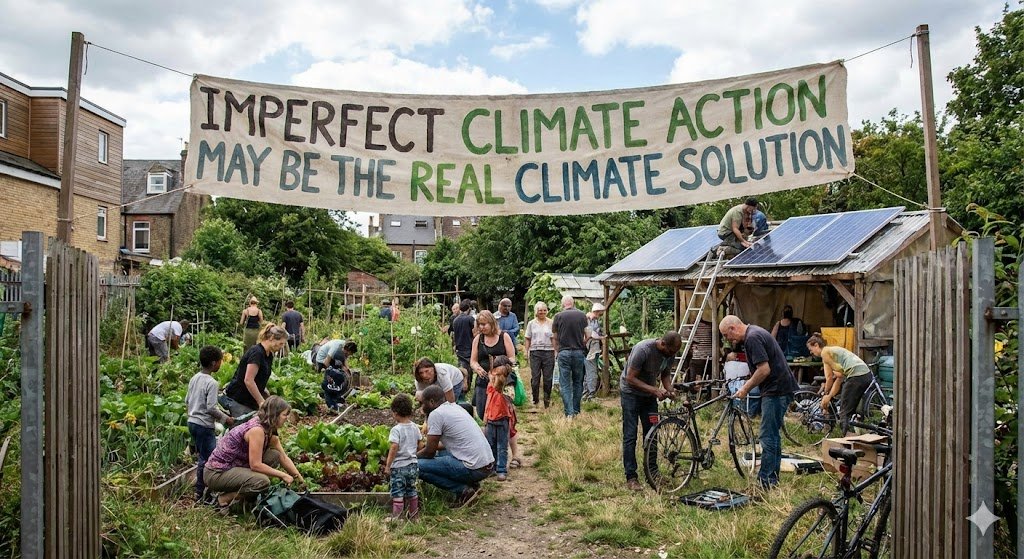
Climate action is often framed as a test of perfection. Many people feel they must live “zero-waste” lifestyles to make a difference. That belief is slowing progress. Evidence suggests that imperfect climate action, taken at scale, creates stronger long-term change.
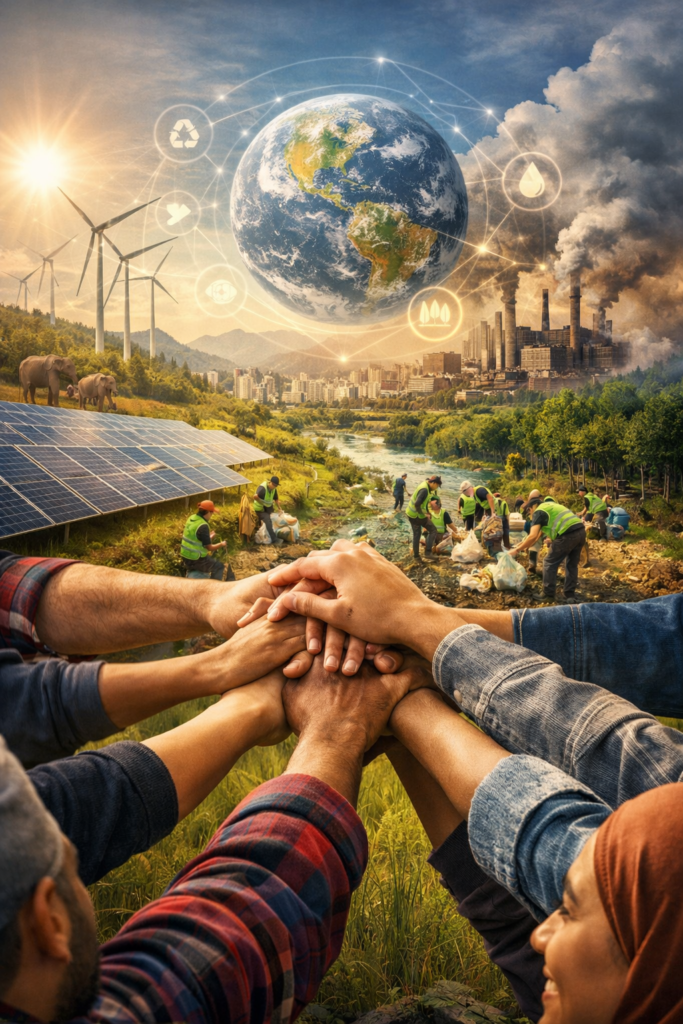
The climate debate increasingly focuses on individual lifestyle purity. Social media reinforces that pressure. Perfect sustainability is presented as the ideal. However, such standards exclude many people who lack money, infrastructure, or time. When participation feels impossible, engagement declines.
Small actions, repeated widely, can shift systems. Environmental progress rarely begins with flawless behavior. It begins with participation. When individuals reduce waste, support local policy, or change consumption patterns, public momentum grows. That momentum drives policy reform and corporate accountability.
History supports this pattern. Major environmental reforms like Clean Air Act emerged through gradual collective action, not overnight transformation. Public pressure built step by step. Cultural change followed. Laws and industry standards evolved as a result.
Eco-perfectionism also distracts from structural solutions. Climate change is shaped by energy systems, infrastructure, and regulation. Individual guilt does not fix those issues. Public participation, however, can accelerate policy adoption and investment in clean technologies.
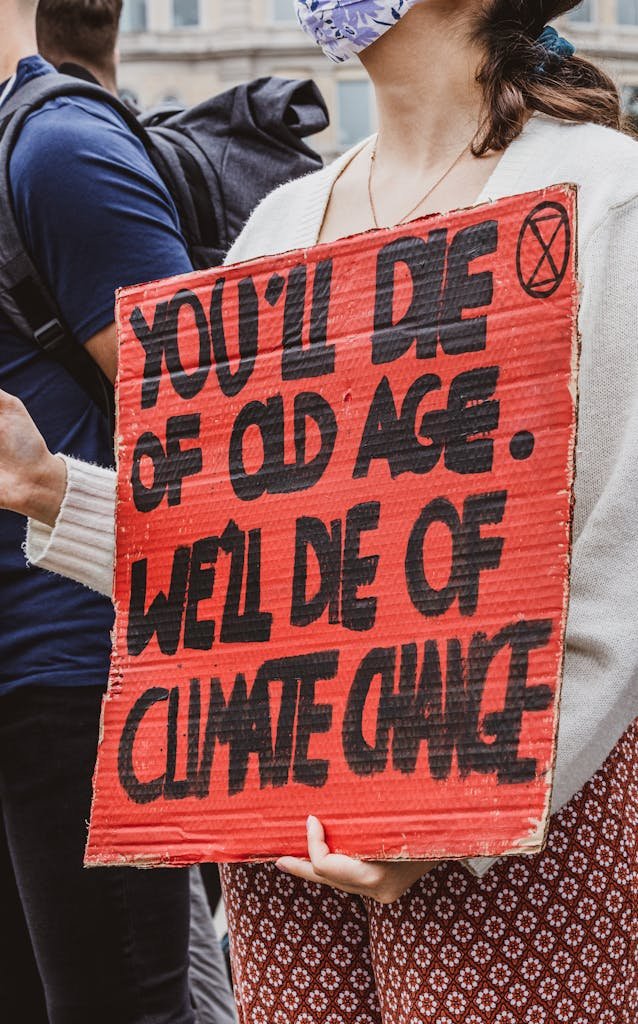
Climate responsibility must therefore remain inclusive. People act under different constraints. For example, income, location, and access shape environmental choices. Therefore, a movement that demands perfection risks shrinking its base. In contrast, a movement that invites participation expands it.
Progress builds confidence. Confidence builds action. Millions of small decisions—from reducing food waste to supporting climate-focused policies—create measurable impact when combined. The goal is not flawless individuals. The goal is collective momentum.
The climate crisis requires scale, not purity. Governments, industries, and citizens must move together. Imperfect action, taken consistently, lowers barriers to entry and encourages sustained engagement. That approach turns climate responsibility into a shared civic effort rather than an exclusive lifestyle standard.
Clean-energy transitions will succeed when participation becomes normal. The path forward is practical. Start where possible. Improve over time. Climate progress grows when people act, even imperfectly.
Reference- EARTHDAY.ORG, National Geographic, Scientific American, Journal of Agricultural and Environmental Ethics, NATURE