



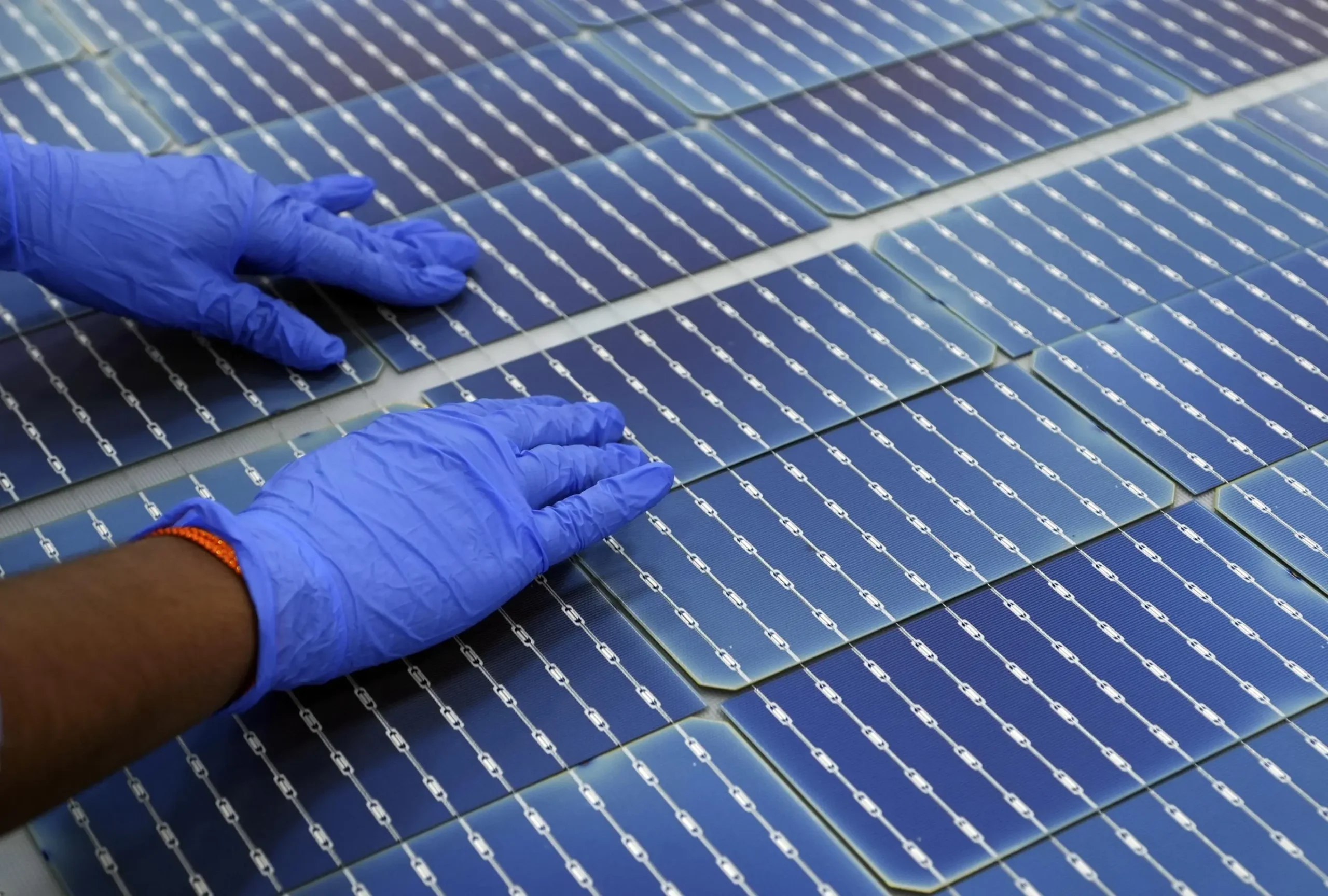
India’s ambitions to become a global clean energy manufacturing hub are gaining traction. Yet, beneath the rapid capacity build-out, structural gaps persist across technology, supply chains, and cost competitiveness.
PV and Battery Manufacturing Trends
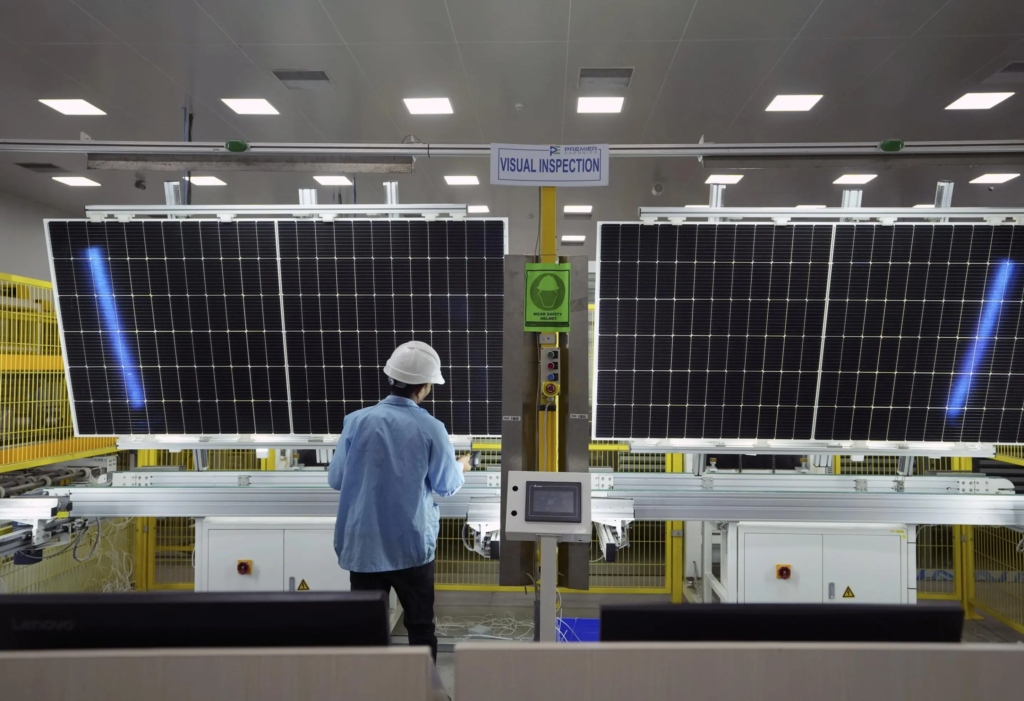
India’s solar manufacturing capacity has surged past 120 GW for modules, driven by Production Linked Incentive (PLI) schemes and import duties. However, effective utilization remains uneven. TOPCon technology now accounts for nearly 70% of installed module capacity, while HJT remains marginal at around 1%, indicating cautious adoption of next-gen technologies.
Battery manufacturing tells a slower story. Against a 50 GWh target under India’s ACC PLI scheme, only about 1.4 GWh has been commissioned so far, reflecting execution bottlenecks and delayed investments.
Technology Risks and Import Dependencies
Despite scale, India remains heavily dependent on imports for upstream components such as polysilicon, wafers, and critical minerals. Over 80% of global solar supply chains are still dominated by China, exposing India to pricing and geopolitical risks.
Emerging technologies such as TOPCon and HJT require high capital investment and advanced know-how, limiting participation to a few large players.
Supply Chain Vulnerabilities and Raw Material Risks
India’s supply chain remains shallow. Critical minerals like lithium, cobalt, and rare earth elements are largely imported, creating long-term vulnerabilities. Domestic value addition is improving but remains incomplete, especially in ingots and wafers. Policy moves to mandate local sourcing signal intent, but execution risks remain high.
Cost Competitiveness & Margin Reality
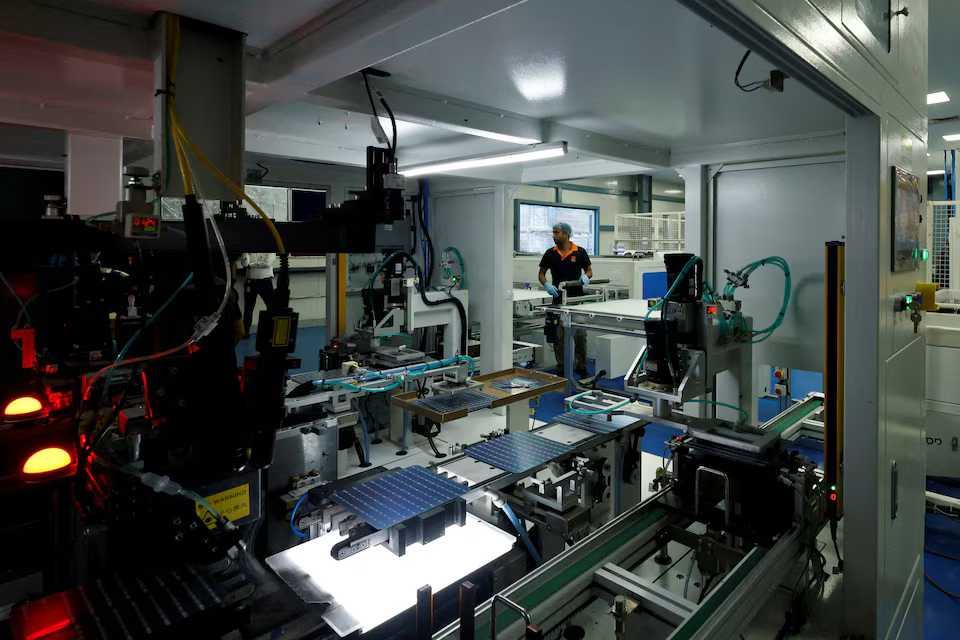
Cost remains India’s biggest constraint. Modules manufactured using domestic cells can be over 140% more expensive than Chinese equivalents, squeezing margins and limiting export competitiveness. Low capacity utilization—often below 30% in some facilities—further pressures profitability.
TOPCon vs HJT vs Next-Gen Technologies
TOPCon dominates due to its balance of efficiency and cost. HJT offers higher efficiency but requires expensive capex and supply chains. Next-gen technologies remain in pilot stages, with uncertain timelines for commercial scale.
Domestic vs Export Market Outlook
India exported nearly 5.8 GW of modules in 2024, benefiting from “China Plus One” strategies.
However, export markets face rising trade barriers, particularly in the U.S., while domestic demand remains policy-driven and cyclical.
Conclusion
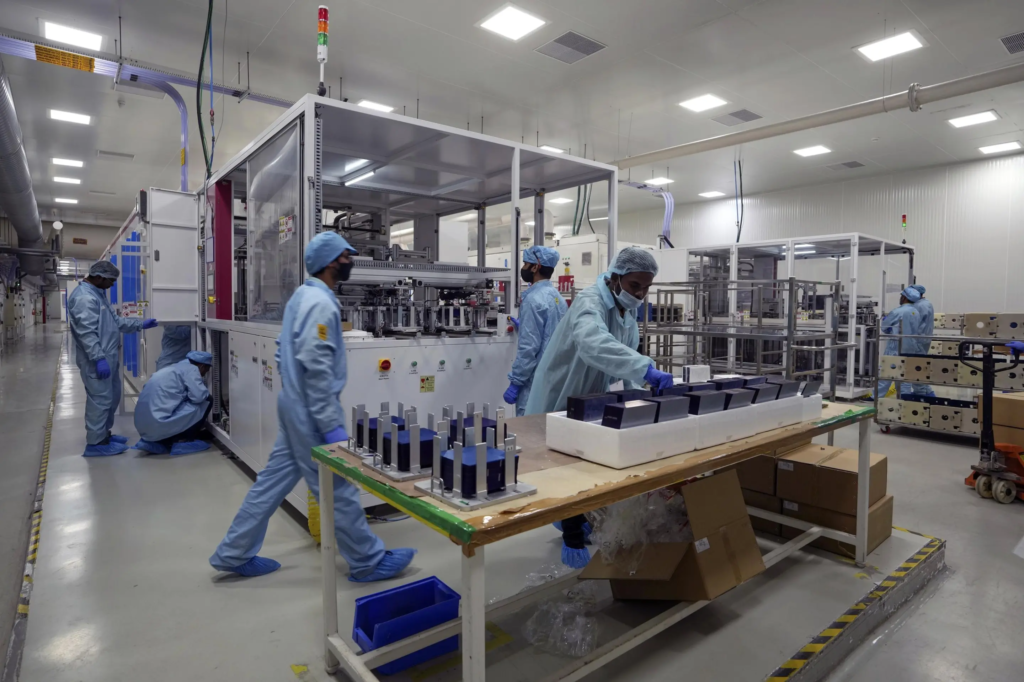
India’s manufacturing story is one of scale without full integration. The next phase will depend on deep supply chain localization, cost competitiveness, and technology leadership—not just capacity expansion.
Reference- Reuters, Mercom India, The Economic Times, AP News, PV Magazine