



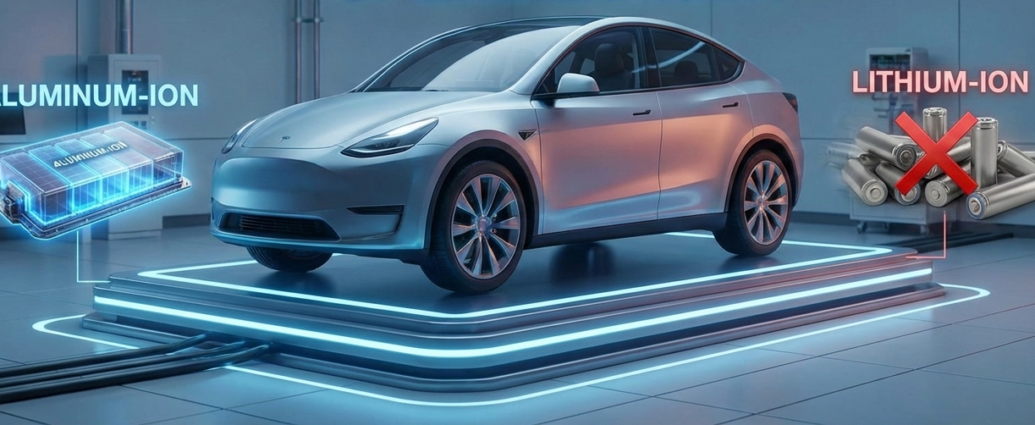
Battery technology is at a turning point. Lithium-ion batteries have driven the electric vehicle revolution for years. They power most EVs and store energy in phones and grids. But questions are emerging. Is lithium nearing its limits? Could Tesla’s next Model Y swap lithium for aluminum-ion chemistry? The short answer: not yet.

Lithium-ion cells remain dominant. The 2025 Tesla Model Y continues with advanced lithium-ion battery packs made by established suppliers. A dual-motor all-wheel-drive Model Y uses a nickel-cobalt-manganese lithium battery. It still leads in energy density and range performance. There is no official Tesla announcement about aluminum-ion cells coming in 2025 models. Rumors that Elon Musk confirmed a radical switch have been debunked by independent fact-checkers.
Aluminum is abundant and cheap. It carries three charge carriers per atom, which gives it theoretical advantages in charge transport and cost. It also improves safety over lithium if paired with the right electrolyte. But energy density and voltage remain below established lithium-ion standards. That makes the technology more suited for large-scale stationary storage than high-performance EVs — at least for now.
However, research into aluminum-ion batteries is promising. Scientists report that aluminum-ion cells can cycle thousands of times while keeping capacity high. They can be safer and use more abundant materials than lithium. This could cut cost and ease material supply concerns. Yet these labs are still solving technical challenges such as reaction kinetics and capacity limits.
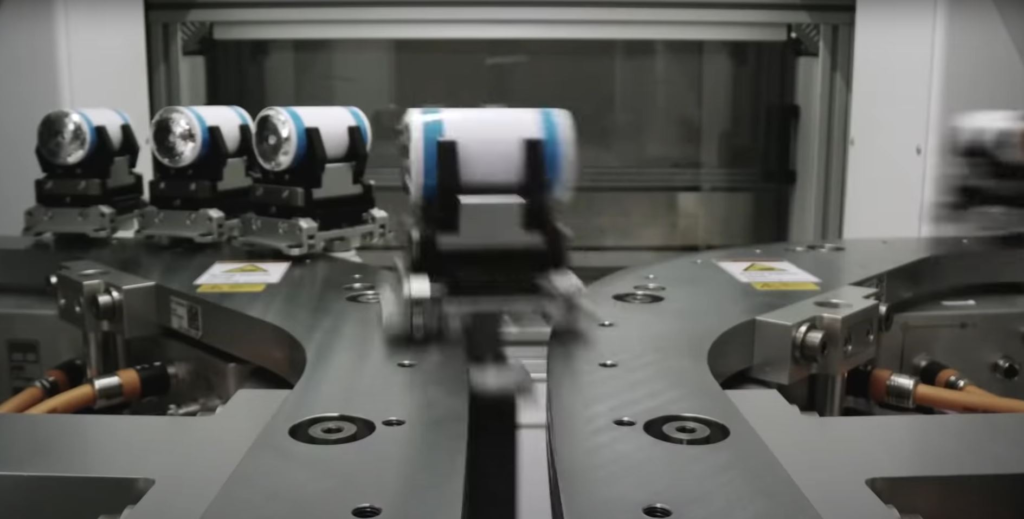
Tesla still invests heavily in lithium-ion R&D. The company refines battery cell production and partners with suppliers like Panasonic to improve energy density and reduce cost. New anode-free and other advanced lithium designs could extend lithium’s lead well into the next decade.
So it is premature to declare the end of lithium batteries. Aluminum-ion technology is intriguing. But as of 2026, it is not confirmed for Tesla’s 2025 Model Y. The EV industry will likely see a mix of innovations, with lithium-ion retaining a central role for years ahead.
Reference- Lead Stories, Futurism, Forbes, Reuters, Electronic Design, Metal Tech News