





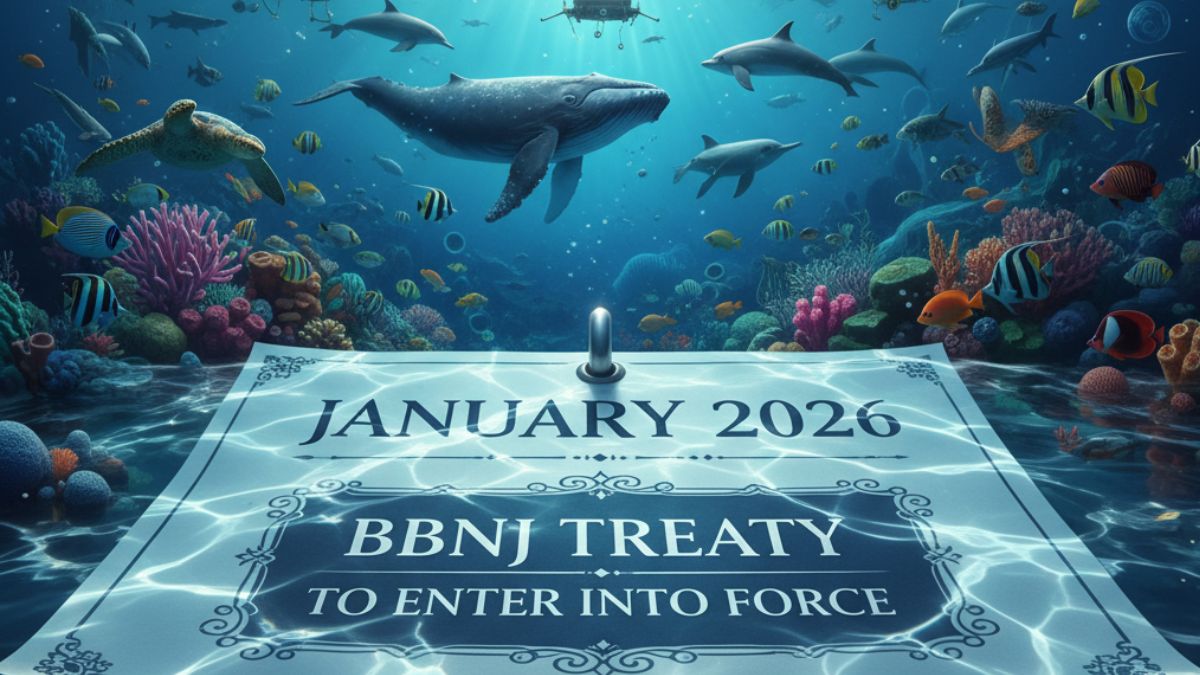
A landmark UN biodiversity treaty, also known as Biodiversity Beyond National Jurisdiction (BBNJ), has entered into force in January 2026, marking a major step to protect the world’s oceans and marine ecosystems. The agreement aims to conserve at least 30% of global oceans by 2030, a goal seen as critical to tackling climate change, biodiversity loss, and marine pollution.
Environmentalists say more than 190,000 protected areas would need to be established in order to meet the “30 by 30” target.
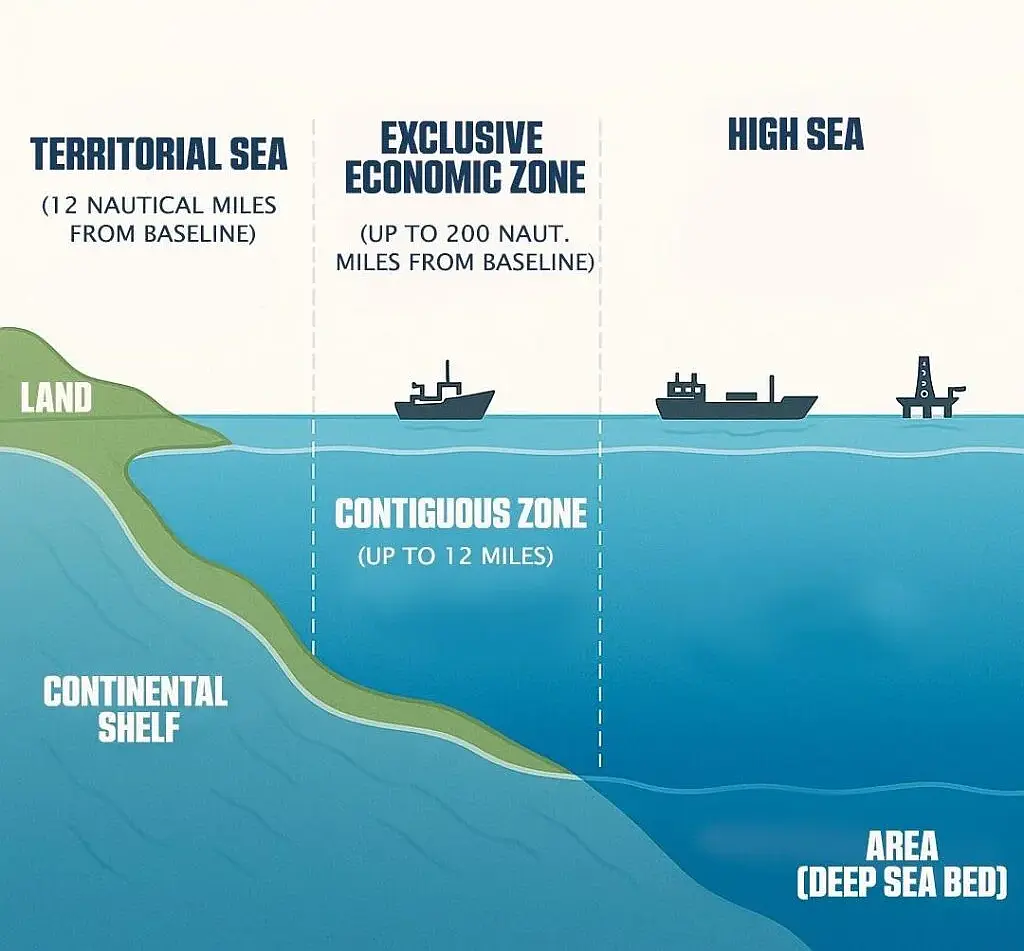
The treaty focuses on regulating activities in international waters, which cover nearly two-thirds of the world’s oceans. It allows countries to set up large marine protected areas. It mandates environmental impact assessments for industrial projects and introduces rules to share marine genetic resources more equitably. Experts say these measures could significantly strengthen ocean governance and biodiversity protection.
The agreement follows years of negotiations. It aligns with the Kunming-Montreal Global Biodiversity Framework, often described as the “Paris Agreement for nature.” Policymakers and environmental groups welcomed the treaty as a major milestone. However, they said enforcement and funding will remain key challenges.
Moreover many countries still need to ratify the agreement and implement national conservation plans. Developing nations have also raised concerns about funding, technology transfer, and capacity-building support.
The treaty arrives at a critical time, as oceans absorb most of the planet’s excess heat and carbon emissions. Marine ecosystems also support global food security, coastal livelihoods, and climate resilience. Strengthening ocean protection could help mitigate climate impacts while safeguarding biodiversity and ecosystem services.
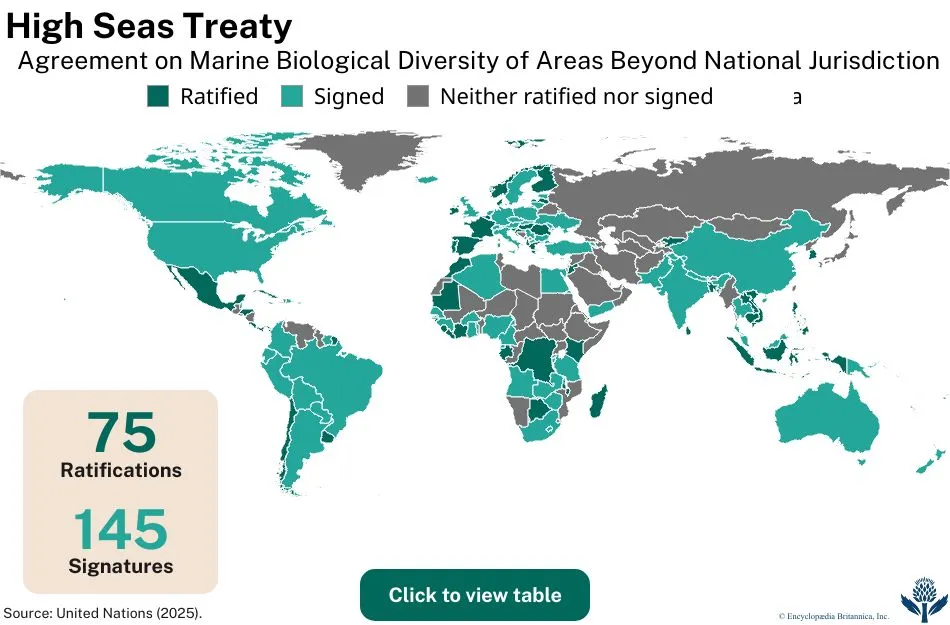
Experts stress that global cooperation and sustained investment will determine the treaty’s success. Governments must expand marine protected areas, improve monitoring systems, and enforce sustainable practices in fisheries, shipping, and offshore industries.
If fully implemented, the treaty could reshape global ocean governance and accelerate progress toward nature-positive and climate-resilient development.
Reference- Reuters; European External Action Service; Britannica, United Nations biodiversity framework documents.
Comments are closed, but trackbacks and pingbacks are open.