



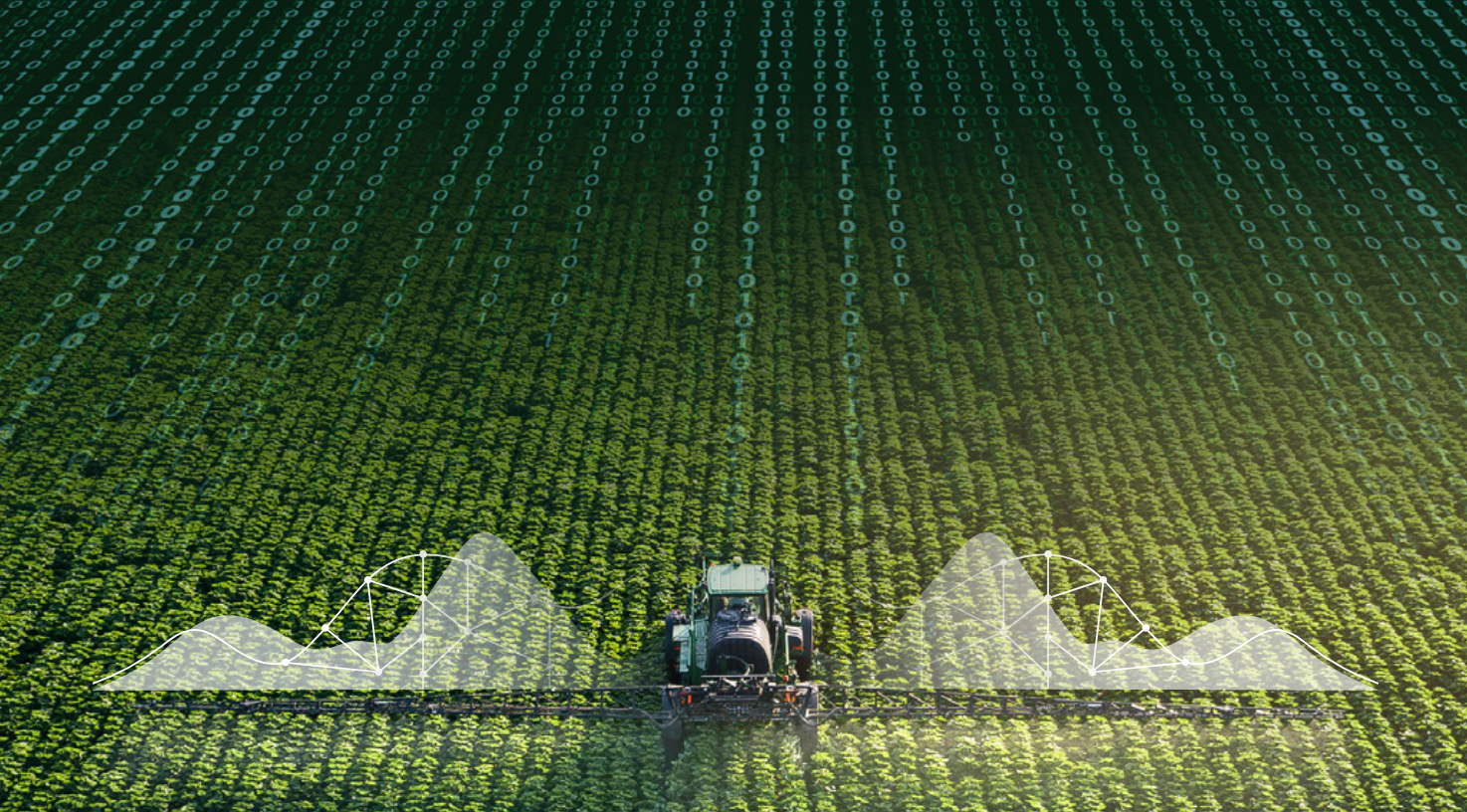
A major global report titled “Head In The Cloud” warns that the digital revolution in agriculture may pose risks to farmers and food sustainability. The International Panel of Experts on Sustainable Food Systems says big technology firms like Amazon, Microsoft, Google, and Alibaba are reshaping farming in ways that could hurt independence and resilience.
AI, cloud computing and proprietary data tools are becoming core to modern agriculture. These technologies promise higher yields and improved efficiency. Some estimates show digital tools could unlock as much as $500 billion in value globally by 2030 and boost farmer incomes significantly.
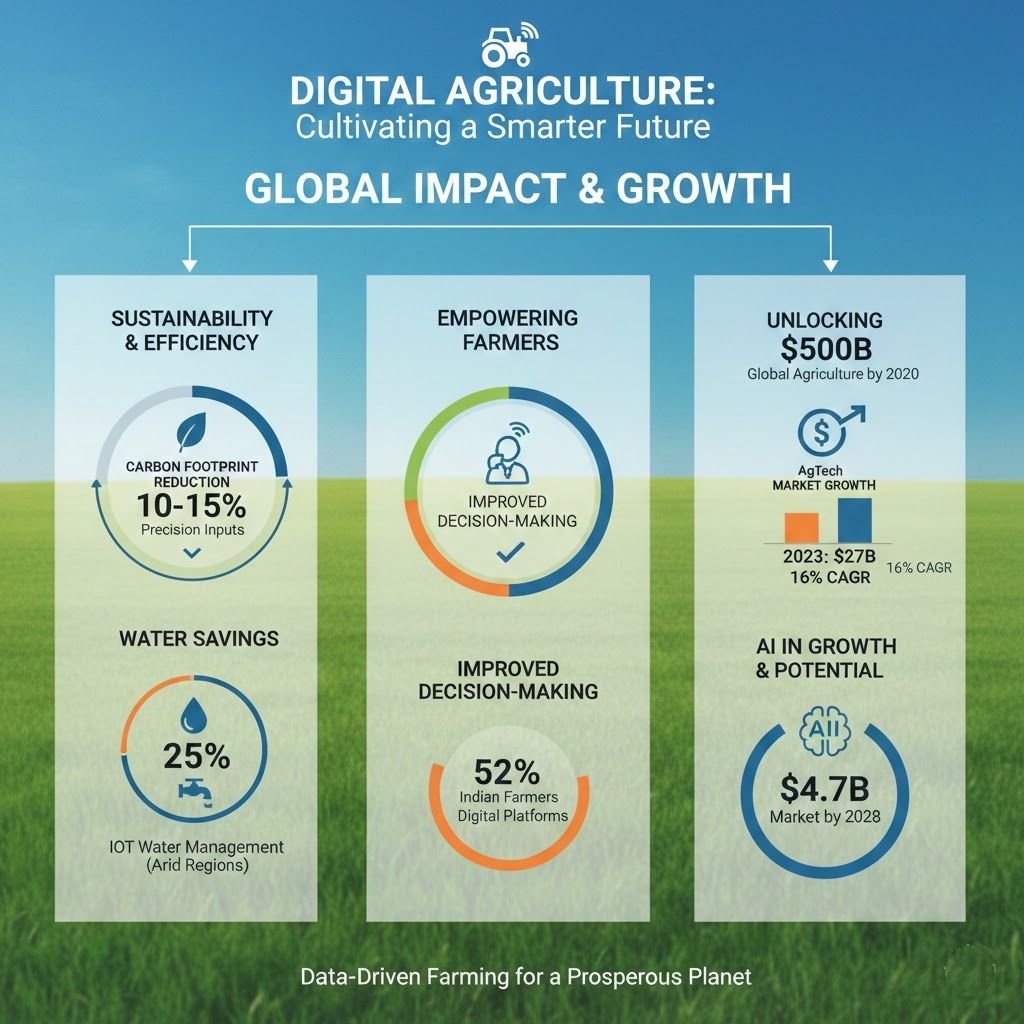
Yet the report warns this transformation is uneven. Precision tools and data systems often require large upfront costs. That can increase financial risk for small farms and funnel control to a few large tech companies.
Across India, digital agriculture adoption is growing with government support. In Maharashtra, an AI-powered advisory platform has 2.5 million downloads and delivers weather, pest and market signals directly to users. The state is also building open data infrastructure to boost transparency and resilience for farmers.
Elsewhere, private sector initiatives are scaling AI tools for smallholders. A leading agritech initiative by Last Mile Enterprises Limited in India blends satellite data, IoT sensors and AI insights to connect over 12 million farmers to markets, buyers and real-time crop forecasts. These platforms improve decision-making and traceability.
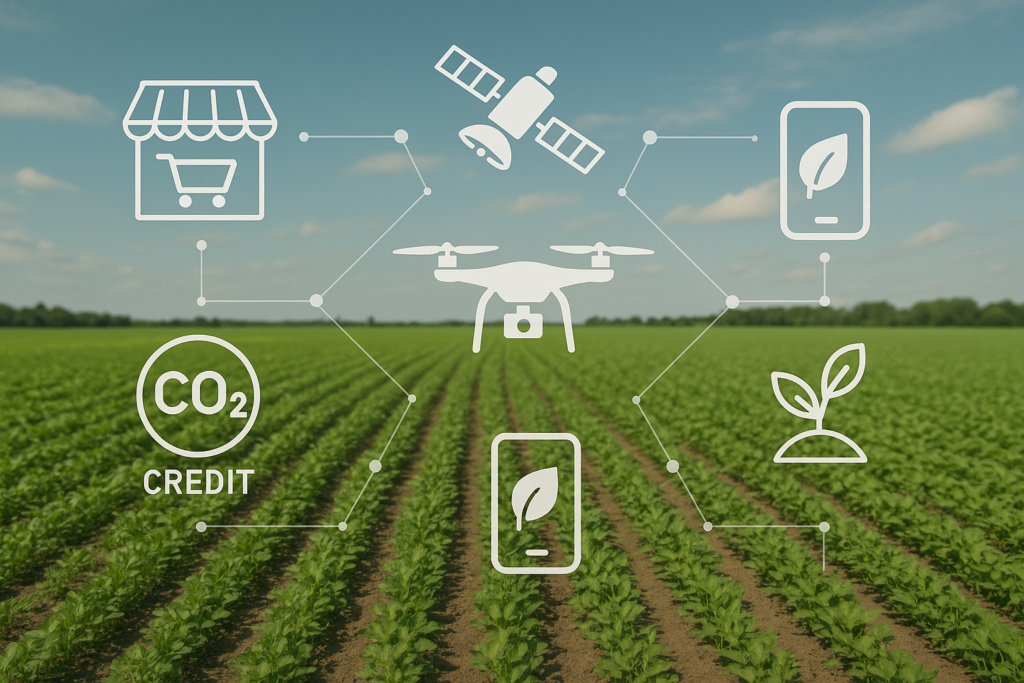
Global data shows digital farming can cut input costs and conserve resources. Precision tech has helped reduce water use by significant margins, increase yields and support traceability in food value chains.
Still, the IPES-Food report cautions that data-intensive systems can reinforce dependency on costly inputs and undermine local knowledge. Technological governance and farmer data rights remain contested.
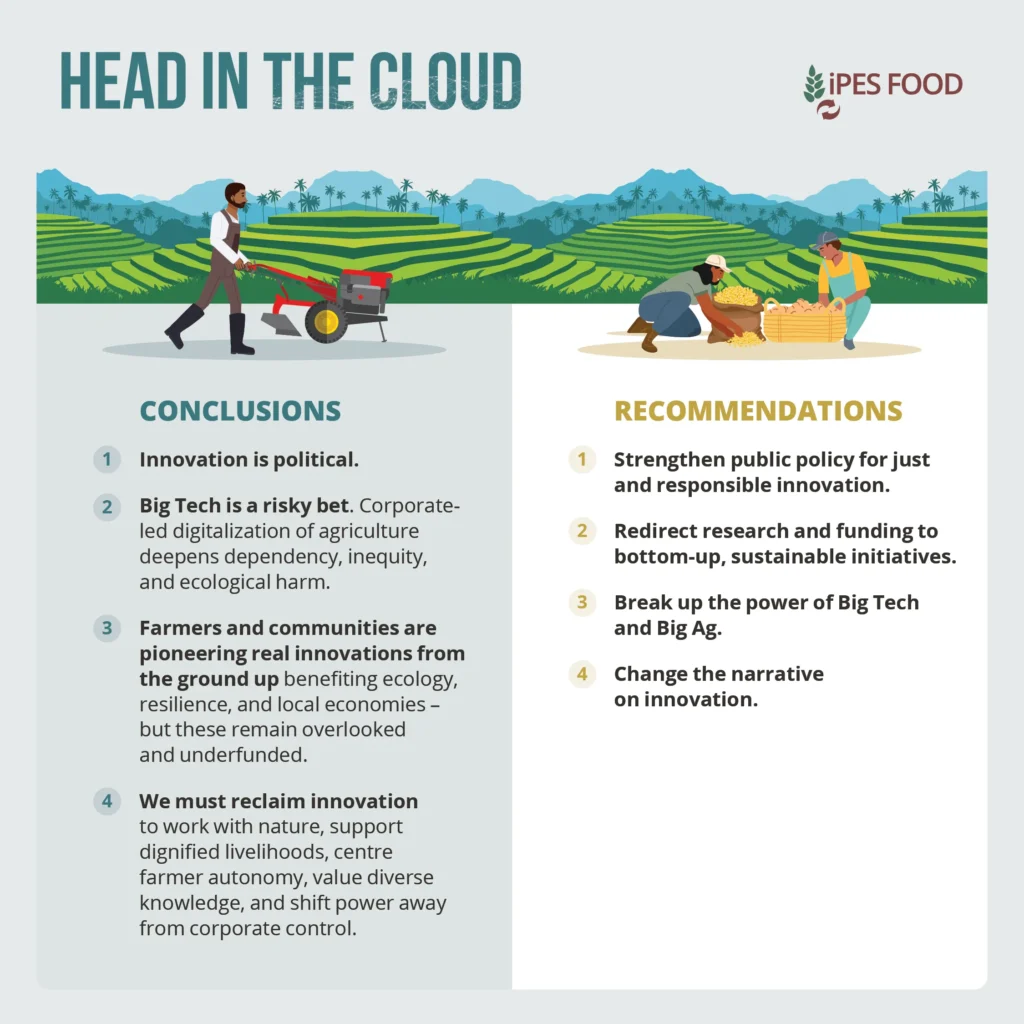
Critically, digital tools should empower farmers, not displace them. Therefore, investments in open standards and interoperable systems are emerging as global priorities. In addition, efforts that blend technology with local expertise are already showing positive results. As a result, communities that adopt inclusive digital frameworks tend to report stronger resilience and improved long-term sustainability.
The future of agriculture will depend on how risks and rewards are balanced. Smart farming has potential. But sustainability, equity and resilience cannot be afterthoughts.
Reference- The New Indian Express, Gitnux, Fortune India, Hindustan Times, Down To Earth