



During Earth Day, the conversation usually involves climate risks, pollution, and biodiversity losses. But history also suggests that environmental catastrophe is not a foregone conclusion. In several key events, the collaboration between science, activists, and policymakers managed to turn things around.
The Great London smog of 1952 caused an estimated 4,000 deaths within a week (a later study revealed that around 12,000 fatalities occurred). Public outcry pressured the British government into passing the Clean Air Act of 1956, which restricted coal burning and introduced smoking control zones. By 1965, Great London had managed to reduce its winter smog.

The Ozone layer depletion is another case of effective environmental action. Scientists proved in the 1970s that chlorofluorocarbons destroyed the ozone layer. As a result, the world adopted the Montreal Protocol, recognized as the greatest international environmental agreement in history.

According to the U.S. Environmental Protection Agency, the ozone layer will recover to its 1980 state by the mid-century thanks to the Montreal Protocol. The EPA estimates that the protocol might prevent up to 443 million incidences of skin cancer in the USA only.
Even acid rains got their solution. The Clean Air Act Amendments in 1990 introduced cap-and-trade rules concerning the emissions of sulfur dioxide and nitrogen oxides. The results were spectacular – sulfur dioxide decreased by 94%, and nitrogen oxides by 85%. The environment started recovering from its acid state.
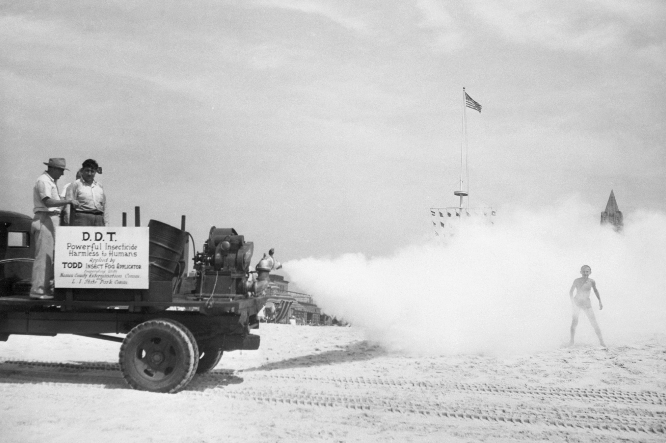
Finally, wildlife restoration shows how regulation is beneficial. Once the usage of DDT was prohibited, the population of bald eagles increased from just 417 nesting pairs in 1963 to over 70,000 pairs today.
Renewable energy sources have become the latest environmental success story. According to data published by BloombergNEF, California provided more than 98% of its daily electricity needs using renewable sources. This has resulted in the significant reduction on gas dependent power plants.
Climate scientist Kate Marvel of Project Drawdown puts it simply: “It’s never just one hero. It is everybody acting at once.”
That is the Earth Day lesson many forget. The planet improves when citizens refuse to accept decline as permanent.
Reference- National Geographic, Reuters, Scientific American, BloombergNEF