



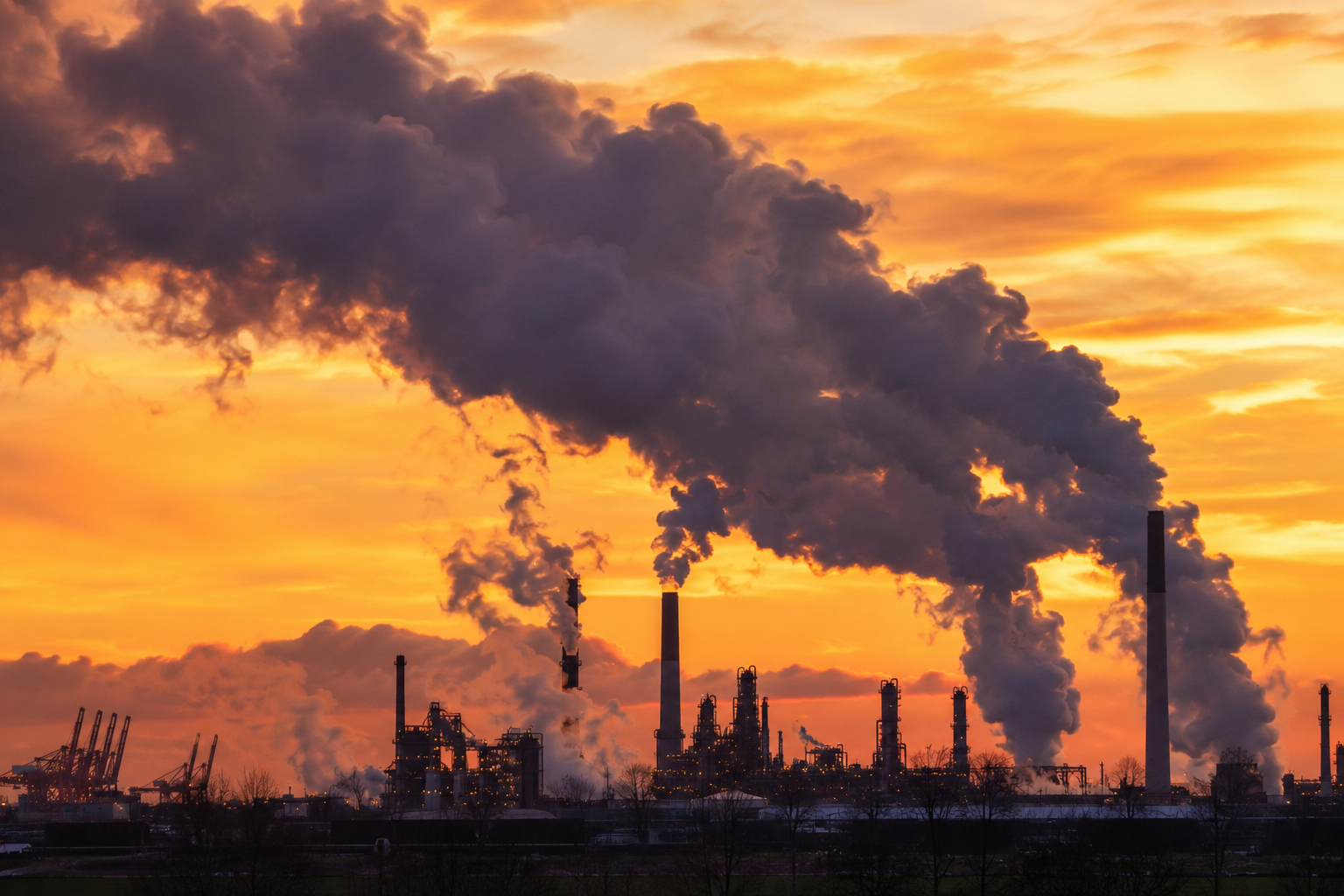
Atmospheric carbon dioxide levels reached a new record in April 2026, reinforcing warnings from scientists that global emissions remain far from control despite rapid clean energy growth.
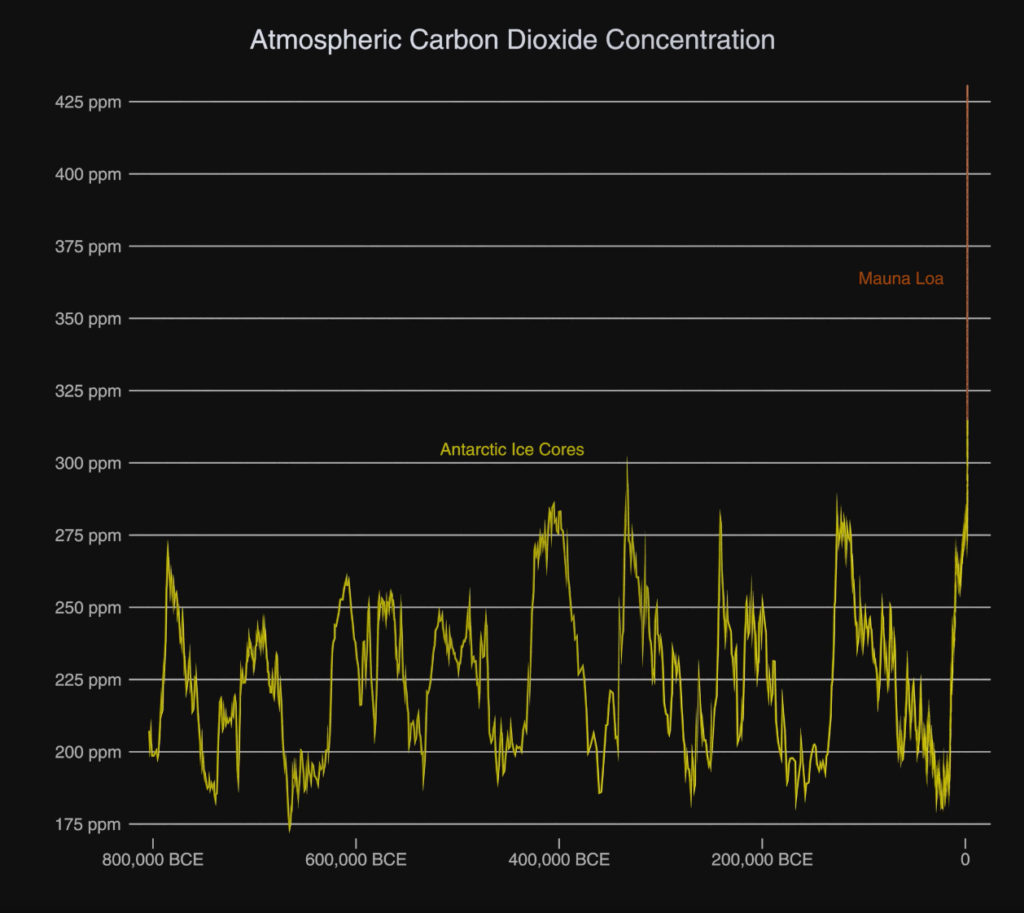
Data from the National Oceanic and Atmospheric Administration (NOAA) showed average carbon dioxide concentrations at the Mauna Loa Observatory in Hawaii climbed to nearly 431 parts per million (ppm) last month. The figure marks one of the highest readings ever recorded in modern history.
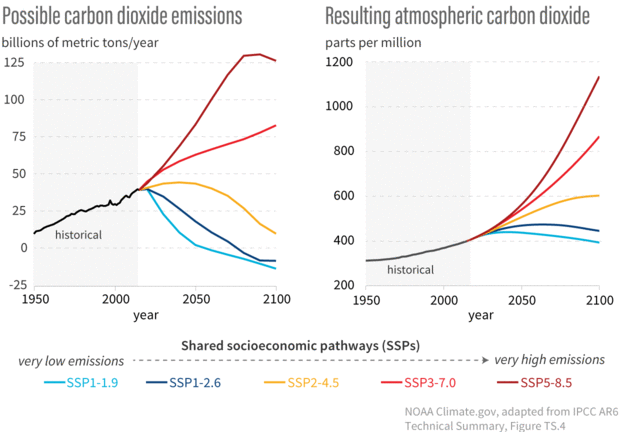
The reading was described as “depressing” by climate scientist Zachary Labe, who said the rise was expected but alarming. “Another record in the wrong direction,” he told Scientific American.
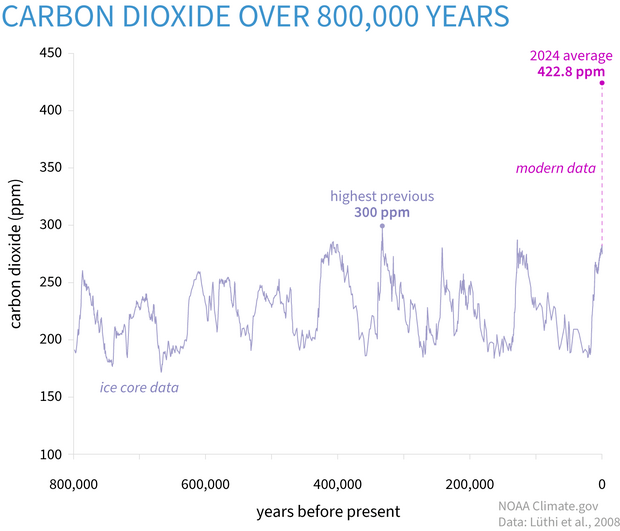
Carbon dioxide is the main greenhouse gas driving global warming. Before the Industrial Revolution, atmospheric CO2 levels remained near 280 ppm for thousands of years. NOAA and NASA data now show concentrations have risen more than 50% above pre-industrial levels.
Scientists say fossil fuel combustion, deforestation and rising industrial demand continue to fuel the increase. The expansion of artificial intelligence data centers also pushed electricity demand higher in 2025, reversing earlier declines in US emissions.
According to NASA, atmospheric CO2 stood at 429 ppm in February 2026, confirming a long-term upward trend measured continuously since 1958.
The Mauna Loa Observatory remains central to global climate science. However, proposed US budget cuts may threaten future monitoring operations at the facility.
Meanwhile, the World Meteorological Organization warned that greenhouse gas concentrations are intensifying extreme weather events worldwide. Heatwaves, floods, droughts and wildfires have increased in frequency as Earth’s energy imbalance worsens.
Climate researchers also warn that natural carbon sinks such as forests and oceans are becoming less effective at absorbing emissions. The Amazon rainforest, once a major carbon absorber, is showing signs of stress from rising temperatures and prolonged droughts.
Despite the grim outlook, scientists say renewable energy adoption continues to expand globally. Solar and wind power investments are rising sharply, offering some hope that emissions growth can still be slowed.
Still, experts caution that without faster global action, atmospheric carbon dioxide levels could continue breaking records for years ahead.
Reference- Scientific American, NOAA’s Mauna Loa Observatory, Reuters, National Geographic