



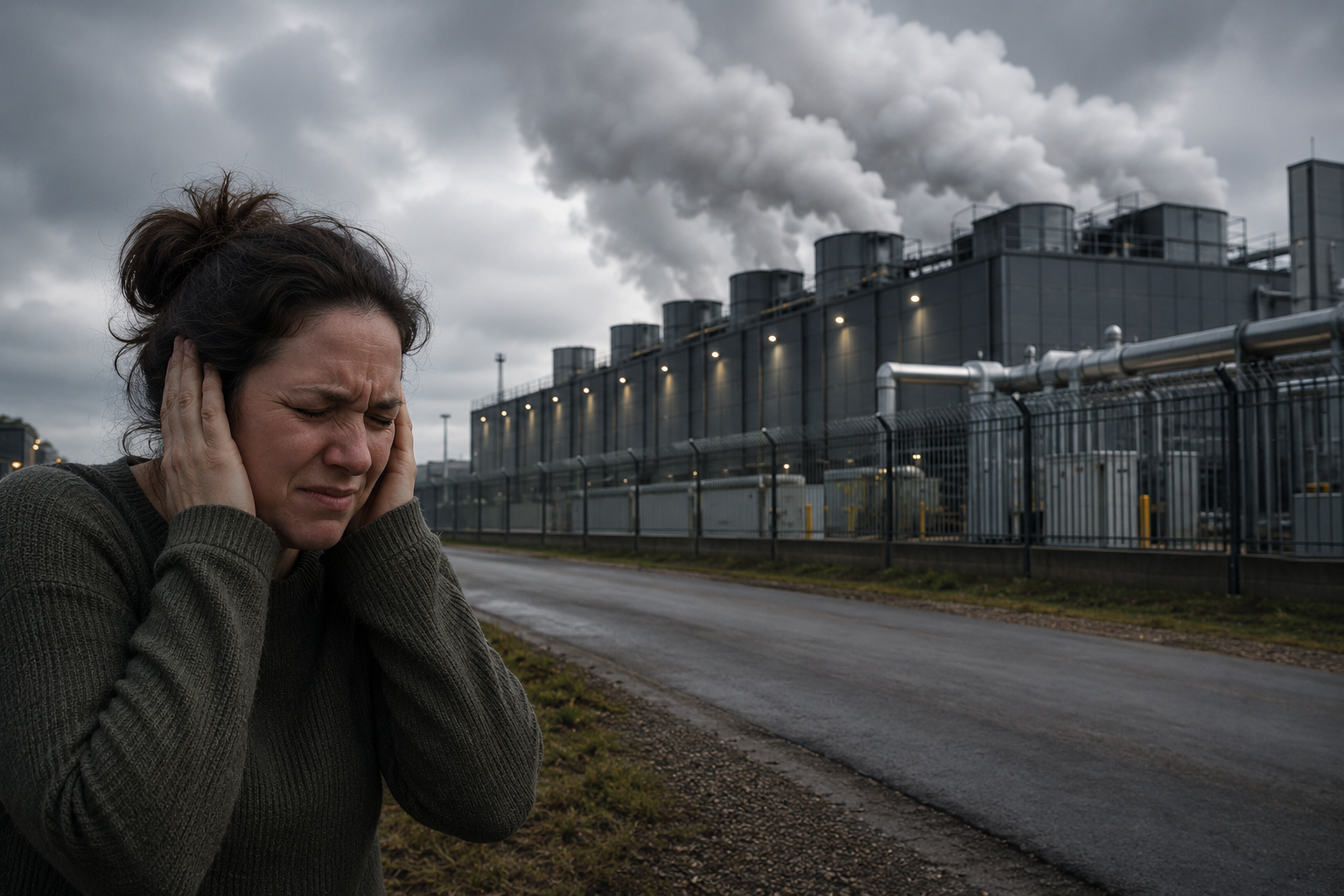
The AI revolution is loud — and not just in the headlines. For people living near large data centers, the noise is becoming a very real, everyday problem. As hyperscale computing quietly takes over neighborhoods around the world, the residents closest to these facilities are the ones paying the price.
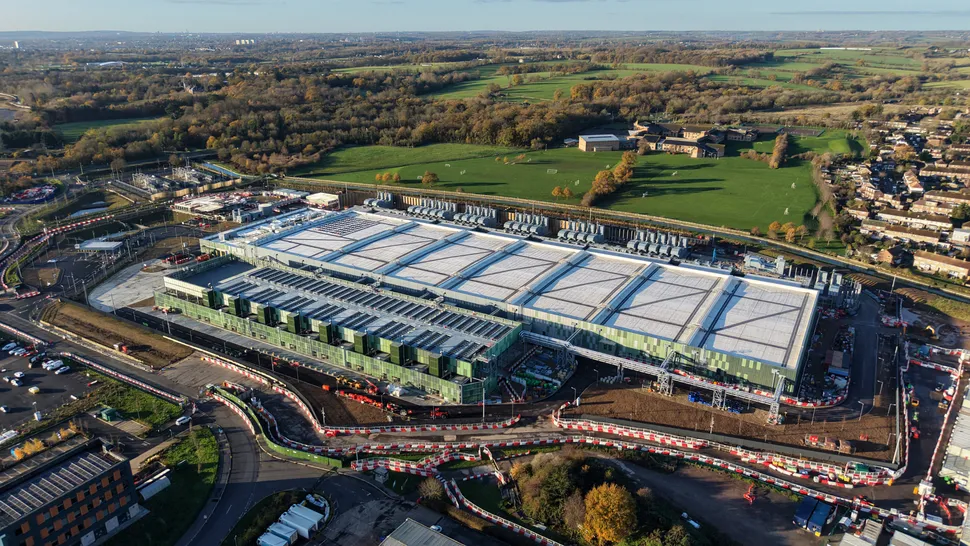
A recent report brought this issue into sharper focus, documenting a wave of complaints from communities across the US and Europe. The symptoms people describe aren’t subtle — persistent headaches, sleepless nights, dizziness, nausea, and a creeping sense of anxiety.
What’s especially unsettling is that many residents say they can feel something even when noise meters show nothing alarming. It’s not the kind of problem that shows up easily on a chart.
So where is all this coming from? Data centers are never truly off. Cooling fans spin around the clock. Diesel backup generators kick in. Gas turbines hum continuously. According to the Environmental and Energy Study Institute, some of these facilities run at noise levels of up to 96 decibels — without pause, day or night. For context, that’s roughly the sound of a lawnmower, but constant and inescapable.
The deeper concern, though, is something you can’t even hear. Infrasound — vibrations below 20 Hz — sits beneath the threshold of human hearing, yet the body can still register it. Research on wind farms has already drawn connections between prolonged exposure to low-frequency noise and issues like chronic stress and disrupted sleep. Data centers may be the next frontier of that same conversation.
To be fair, the science isn’t settled. Some acoustics engineers argue the evidence linking infrasound to health problems is still too thin to draw firm conclusions, and debates in technical communities reflect genuine uncertainty about how to even measure the problem accurately. But “we’re not sure yet” isn’t the same as “it’s fine.”
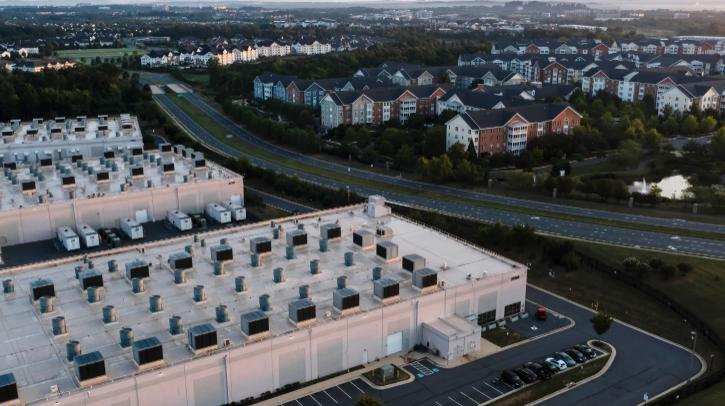
What is clear is that the infrastructure behind AI is growing fast — and moving closer to where people live. Cooling systems alone eat up nearly 40% of a data center’s total energy, and as AI workloads balloon, tech companies are building bigger facilities in or near urban areas to tap into existing power and fiber networks. The economics make sense. The optics are getting harder to defend.
Ireland tells the story well. In 2024, data centers consumed more than a fifth of the entire country’s electricity — a staggering figure that’s hard to ignore. Microsoft and other tech giants have poured investment into Irish infrastructure, with some of it tied to renewable energy. But local residents are increasingly asking a harder question: even if the energy is green, what about everything else?
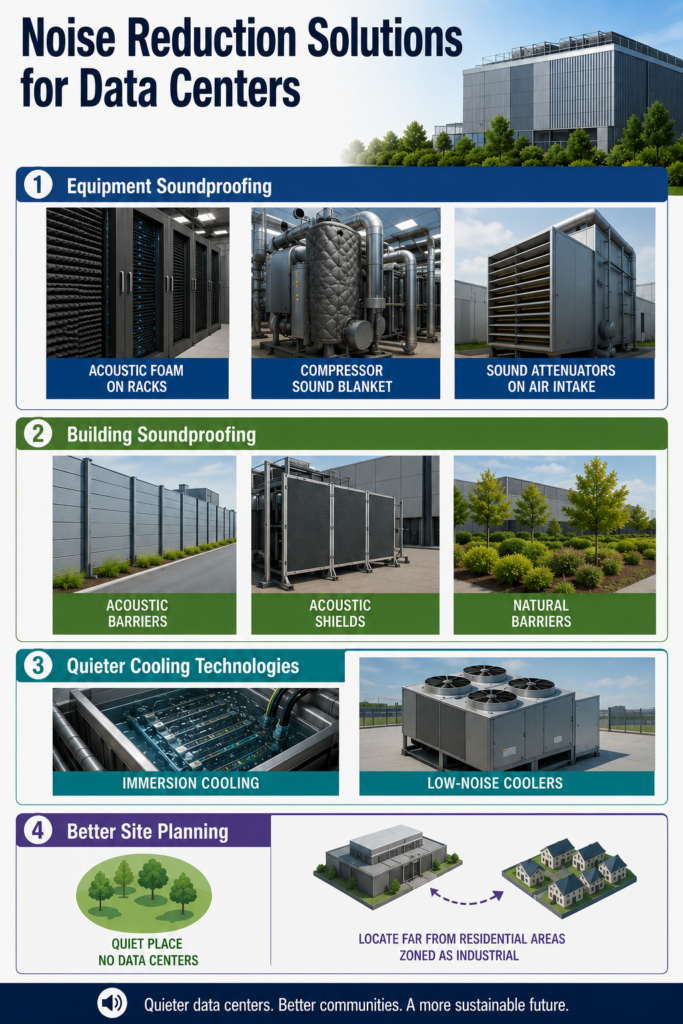
That question may soon land in the laps of regulators. The noise rules currently on the books were built for a different era — traffic, construction, the occasional factory. They weren’t designed for facilities that run 24 hours a day, seven days a week, indefinitely.
As more communities push back, the companies and governments shaping AI’s physical footprint will have to reckon with something they’ve largely ignored: that sustainable expansion isn’t just about clean energy. It’s also about being a decent neighbor.
Source- Futurism, ScienceDirect, Environmental and Energy Study Institute (EESI), Interesting Engineering