



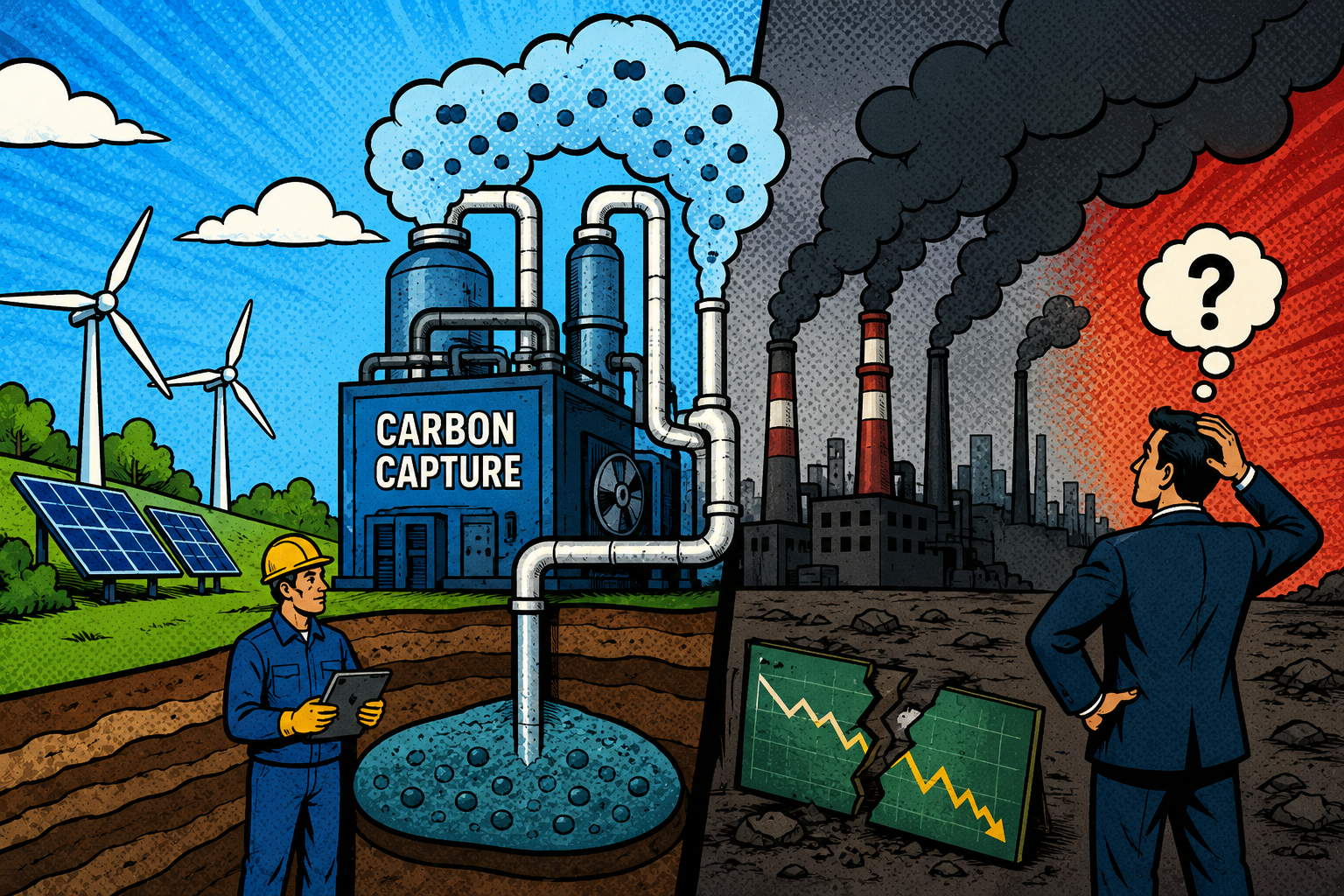
Clean energy advocates hoped carbon capture would rescue the planet. Yet new reports paint a troubling picture. Progress lags far behind needs. Nations must act faster.
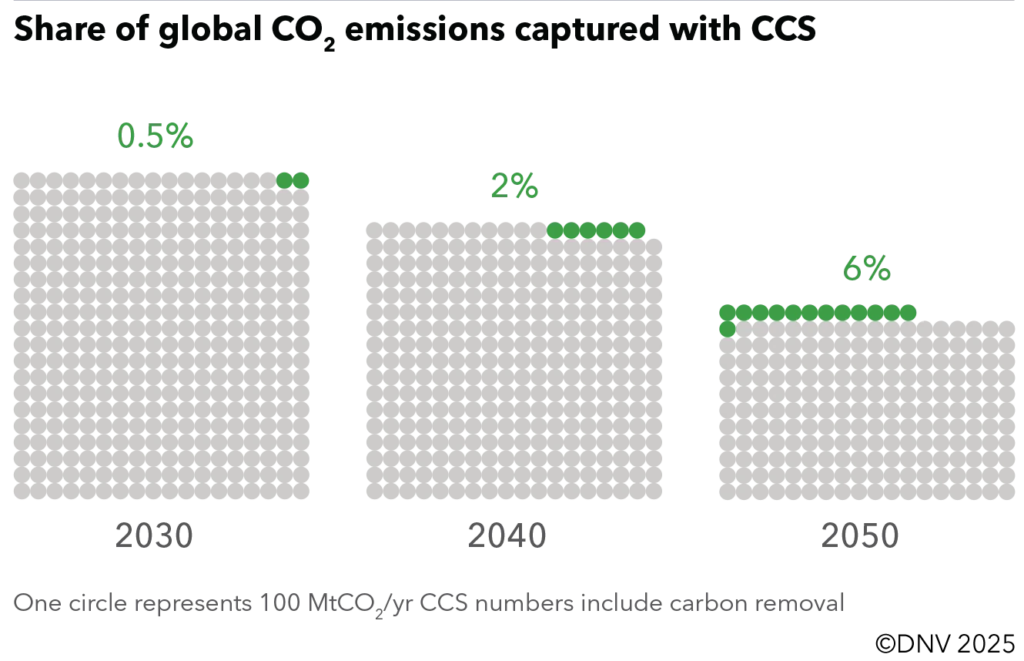
A fresh study reveals deliberate carbon dioxide removal (CDR) removes just 2.2 billion metric tons yearly. This equals about five percent of global emissions. Novel methods like direct air capture make up only 0.1 percent of that total. William Lamb from the Potsdam Institute told The Guardian, “Countries have pledged around 2.7 billion metric tons of carbon removal by 2035… This leaves a gap that grows significantly over time.”
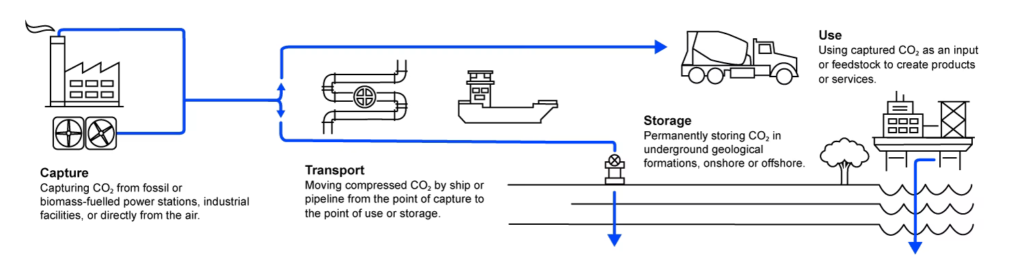
Experts view carbon capture as essential but limited. The IPCC calls it “unavoidable” for hard-to-decarbonize sectors like agriculture. Yet it serves only as a complement to deep emissions cuts. Over-reliance risks delaying real energy shifts.
Scaling Hurdles Persist
High-tech solutions grow 40 percent yearly. Still, they start near zero. They require solar-like rapid adoption to matter. Microsoft, a major buyer of novel credits, paused purchases in April. This move signals market doubts amid policy shifts.
According to IEA data, operational carbon capture facilities currently capture around 45–50 million tonnes of CO₂ annually. Meanwhile, announced projects are targeting significantly higher volumes. However, many large-scale developments continue to face financing, regulatory, and infrastructure delays. Even so, positive progress is evident across several regions.
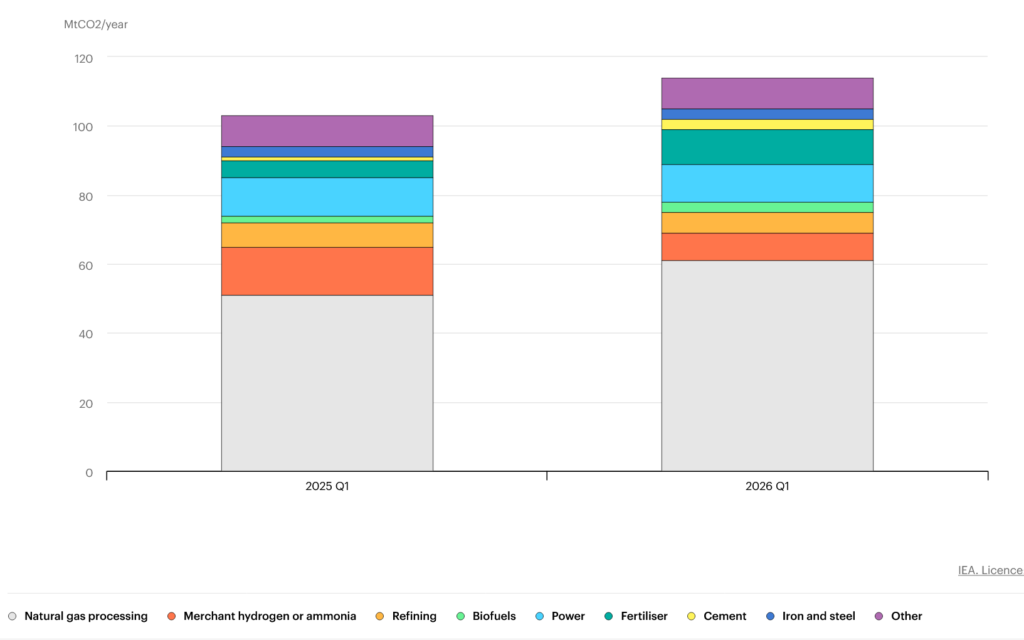
For instance, Norway’s Northern Lights carbon storage hub has already begun commercial CO₂ injections. Similarly, new facilities are advancing in North America and China, reflecting growing global confidence in CCUS technologies.
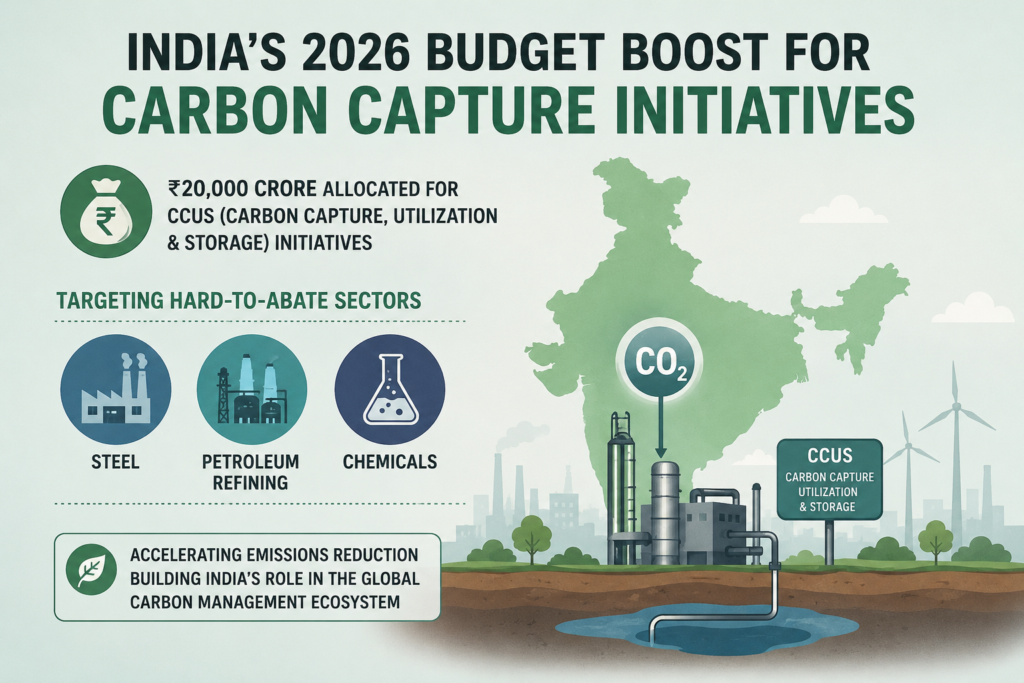
In India, meanwhile, the 2026 Union Budget allocated ₹20,000 crore toward carbon capture, utilization, and storage initiatives. Specifically, the funding is intended to accelerate emissions reduction efforts in hard-to-abate sectors such as steel, petroleum refining, and chemicals. As a result, India is positioning itself to play a larger role in the emerging global carbon management ecosystem.
Costs remain high. Energy penalties challenge viability. Infrastructure gaps slow deployment. Reports note policy momentum in Europe and the US, but execution trails.
Time runs short. Scientists stress emissions cuts come first. Carbon removal helps later. Thomas Gasser noted it remains “the only option to revert climate change in the long run — although only if greenhouse gas emissions are also reduced to near-zero.”
Clean Future urges India and the world to balance innovation with urgency. Stronger incentives, faster permitting, and infrastructure builds can close gaps. Carbon capture may become an important part of the solution, but healthy forests, resilient ecosystems, renewable power, and reducing emissions will remain the foundations of a sustainable future. The planet is waiting for bolder moves.
Reference- Futurism, IEA website, The Guardian, Global CCS Institute, ScienceDirect, S&P Global