



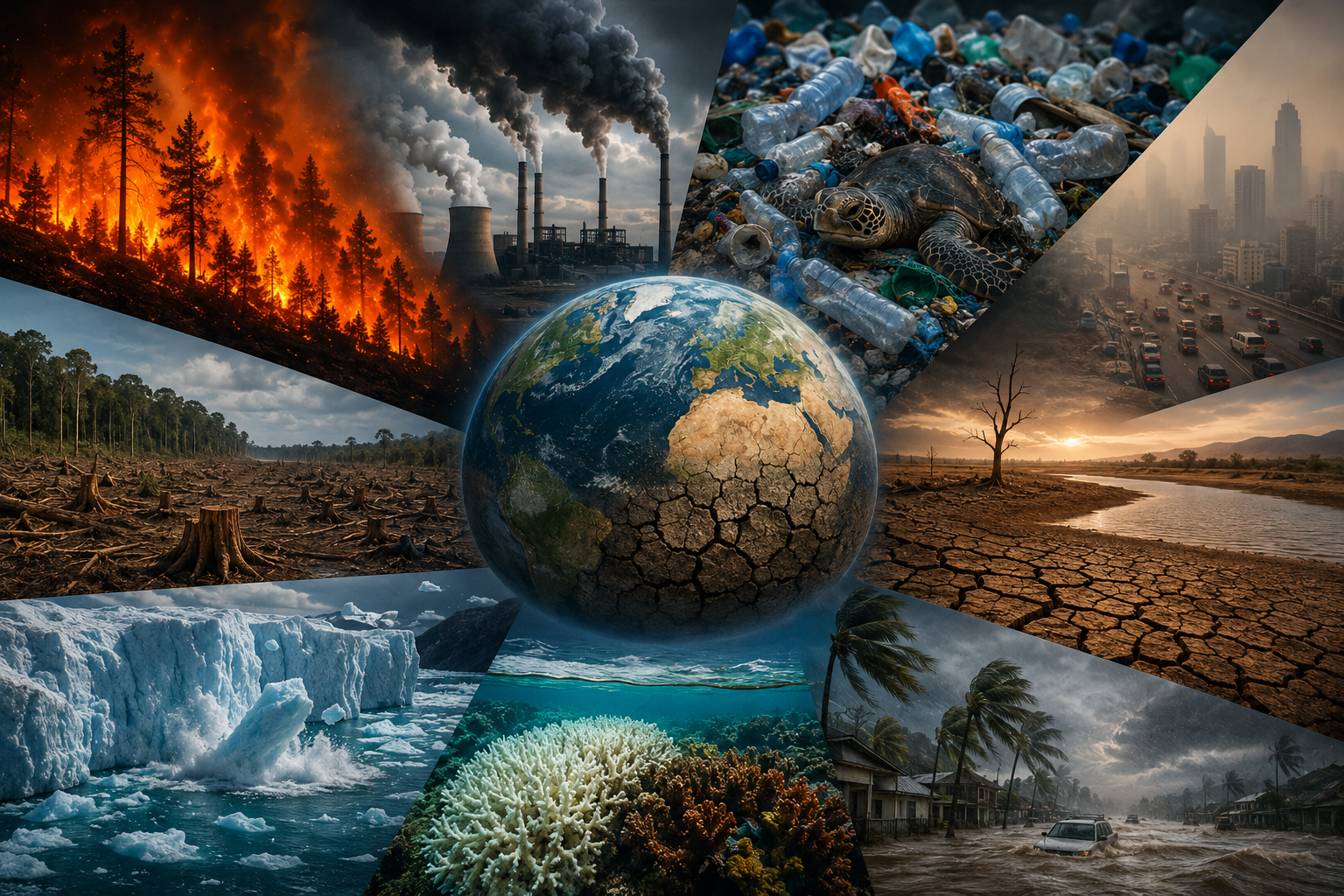
The warning signs are no longer subtle, yet world leaders still move too slowly. In 2026, humanity faces some of its biggest environmental challenges. Record-breaking temperatures, disappearing wildlife, and mounting plastic waste are shaping the future we leave behind. At Clean Future, the message is clear: meaningful action cannot wait any longer.

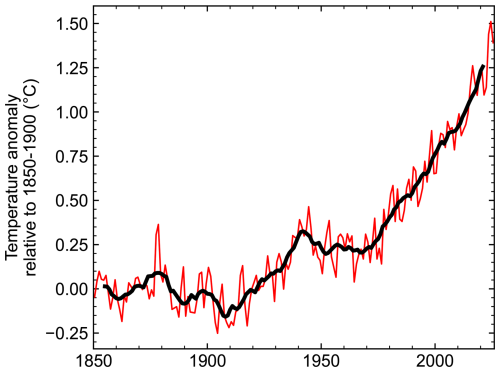
Climate change continues to gather pace, largely driven by our dependence on fossil fuels. The last 11 years have ranked among the warmest ever recorded, and 2025 remains one of the three hottest years in modern history. At the same time, atmospheric concentrations of carbon dioxide, methane, and nitrous oxide have climbed to unprecedented levels. As Ko Barrett, Deputy Secretary-General of the World Meteorological Organization, noted, “The heat trapped by CO2… is turbo-charging our climate.”
Research shows that human activities contributed roughly 1.37°C of global warming by 2025. The warming rate now stands at 0.27°C per decade. Consequently, extreme weather events are becoming increasingly common. Heatwaves last longer, floods arrive with greater force, and storms leave deeper scars on communities. Reports from the IPCC continue to emphasize that rapid emission cuts remain essential.
The crisis extends far beyond rising temperatures. Biodiversity loss has stunned scientists across the globe. According to WWF data, populations of mammals, birds, fish, reptiles, and amphibians declined by 68% between 1970 and 2016. More than one million species now face the threat of extinction, as highlighted by IPBES. Natural habitats continue to disappear because of deforestation and changing land-use patterns.
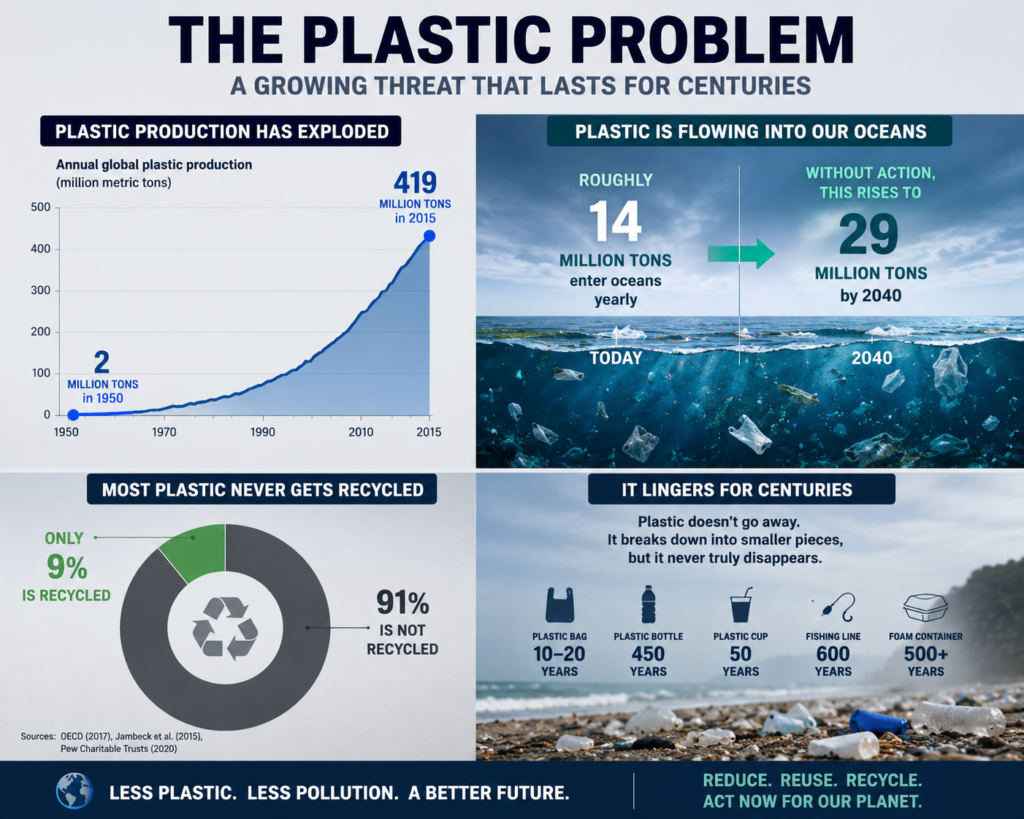
Meanwhile, plastic pollution keeps overwhelming ecosystems. Global plastic production surged from 2 million tons in 1950 to 419 million tons by 2015. Every year, nearly 14 million tons find their way into the oceans. If decisive measures are not taken, that figure could reach 29 million metric tons annually by 2040. Sadly, only a small portion gets recycled, while the rest remains in the environment for generations.
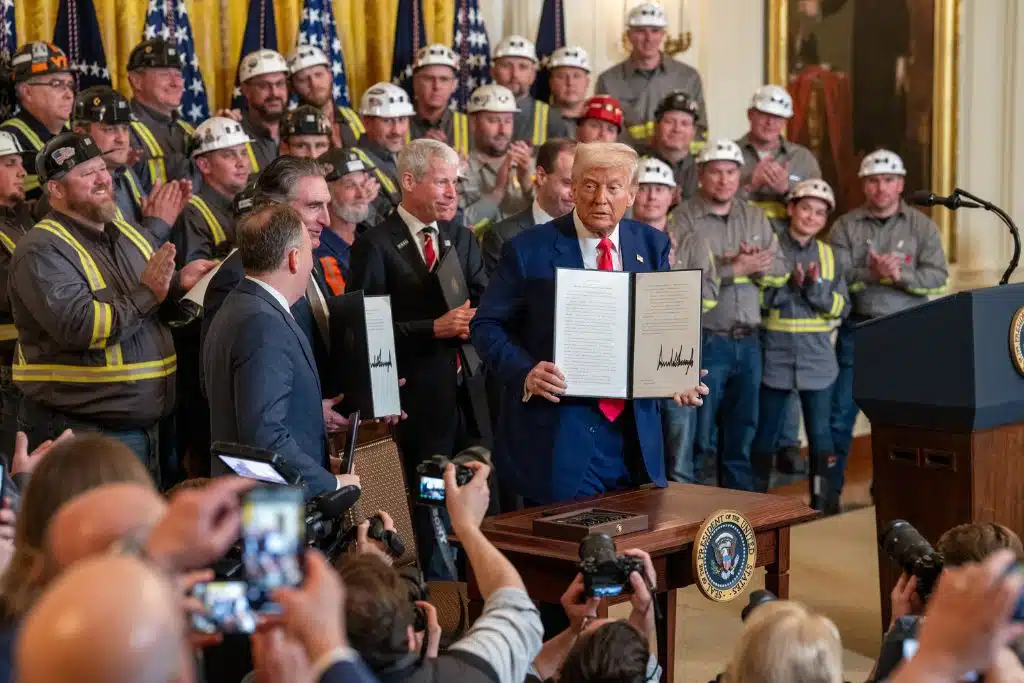
Political hesitation has only deepened the problem. International climate negotiations often stop short of committing to a complete fossil fuel phase-out. In many cases, fossil fuel lobbyists have maintained a stronger presence than vulnerable communities themselves. Even so, practical solutions already exist through renewable energy, conservation efforts, and sustainable development.
India experiences these realities firsthand. Rising sea levels threaten coastal regions, while extreme heat places immense pressure on agriculture and urban life. Still, the country’s growing clean energy transition offers reason for optimism. Citizens, activists, and local communities continue to demand greater accountability from decision-makers.
The era of merely acknowledging environmental problems must come to an end. Real progress requires stronger policies, large-scale reforestation, and a serious reduction in single-use plastics. Public pressure also matters, because leaders act faster when citizens insist on results.
Future generations will inherit the choices we make today. The question is no longer whether change is needed, but whether we are willing to embrace it. Cleanfuture.co.in encourages every reader to become part of the solution. Individual actions may seem small, yet together they create the momentum required to safeguard our shared planet before the window for action closes.
Reference- World Meteorological Organization, EARTH.ORG, National Geographic, Nature