



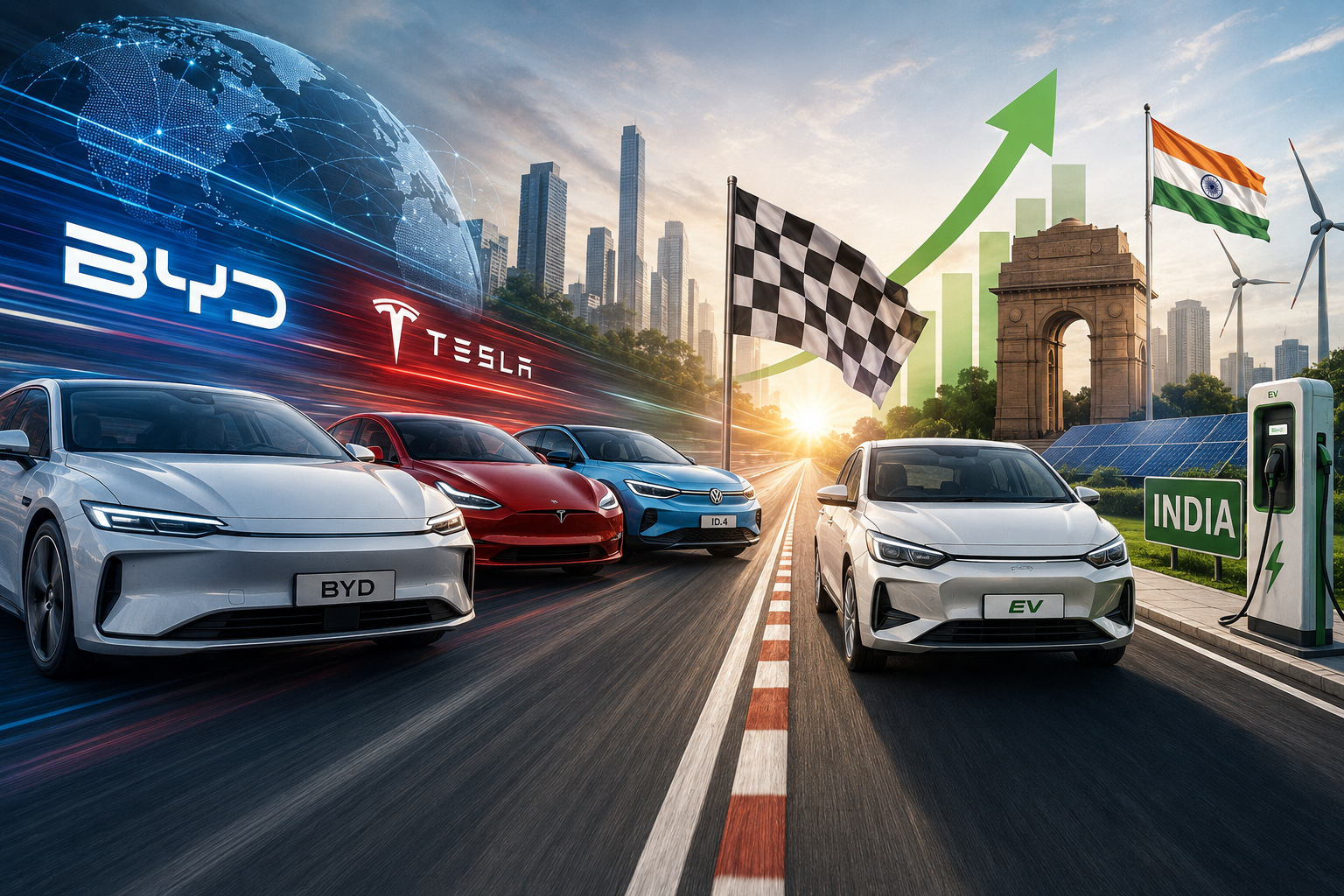
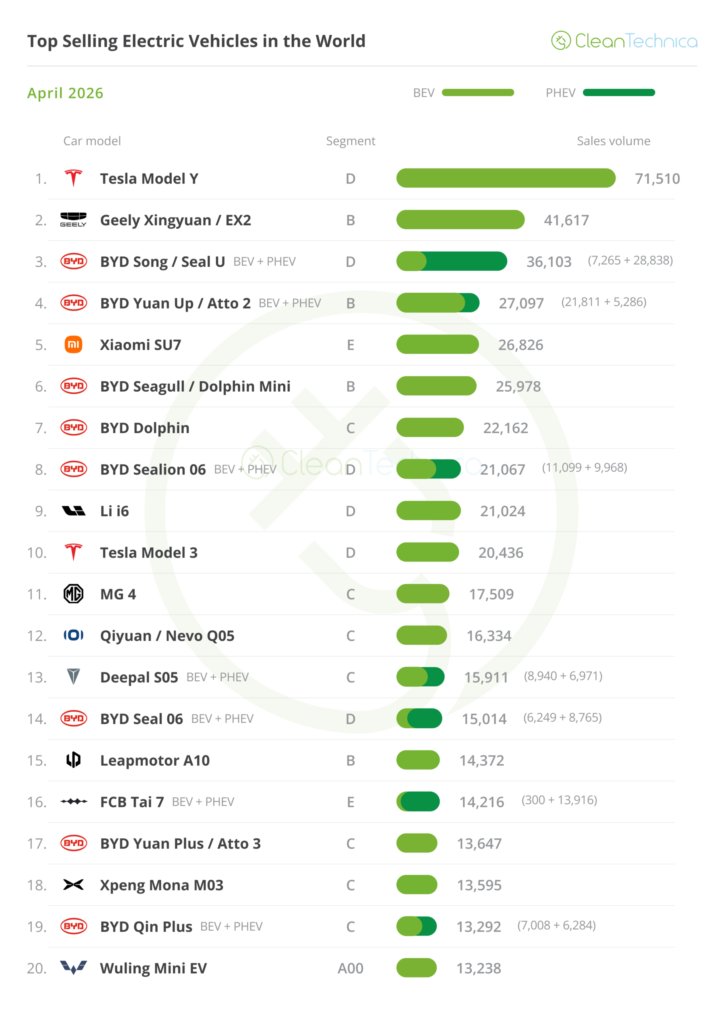
Clean future stays urgent. Chinese automakers set the pace now. They no longer follow. They lead boldly. CleanTechnica reported strong April 2026 rankings. BYD models filled top spots among best sellers. Tesla held ground yet faced tighter competition.
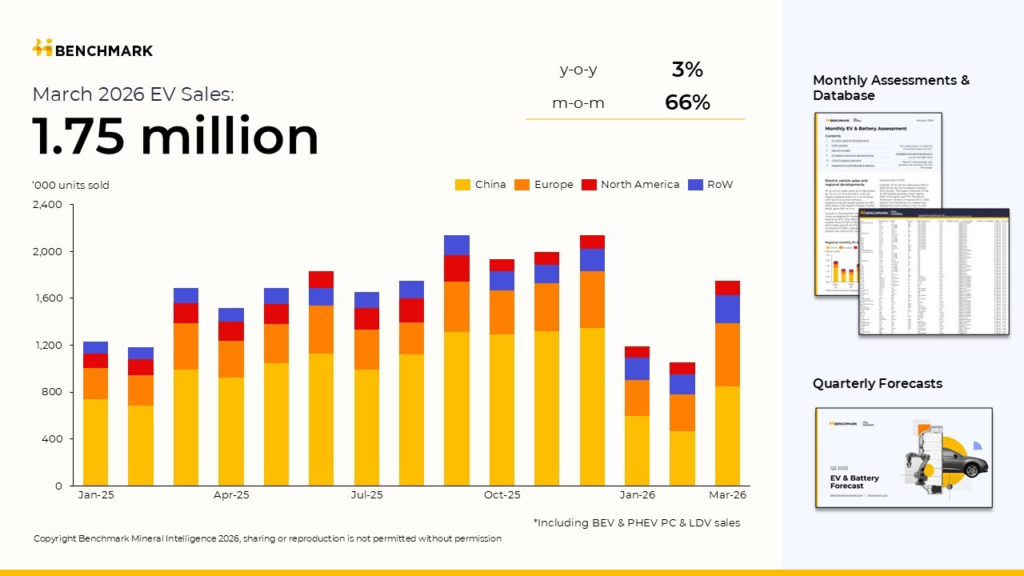
Global plugin sales hit 1.75 million units in April. Year-to-date totals crossed 5.6 million. Benchmark Mineral Intelligence confirmed 6% YoY growth despite softer spots in China and North America. Europe drove much momentum. BEVs reached 17% of vehicle sales. Plugins touched 24%. Over one-third of cars sold showed some electrification.

Meanwhile, BYD expanded aggressively across Europe, Latin America, and Asia. As a result, sales surged in several key markets. Furthermore, Chairman Wang Chuanfu stated that the company aims to become the world’s largest automaker within five years. Consequently, this ambitious goal is driving faster innovation and continued cost reductions. In turn, consumers are gaining access to more affordable electric vehicles.
India watches closely. Passenger EV sales jumped 75% YoY in April to over 23,000 units. Tata Motors led strongly. Mahindra followed with solid gains. IBEF data support these figures. Yet overall penetration remains low compared to global leaders. Two-wheelers and fleets show faster uptake.
However, challenges persist. Infrastructure gaps continue to slow progress across many regions. In addition, battery costs and consumer awareness remain important factors. Nevertheless, global trends offer reasons for optimism. Affordable models now dominate EV sales worldwide. Moreover, technology transfers can accelerate adoption. Local firms are also investing heavily in new EV platforms.
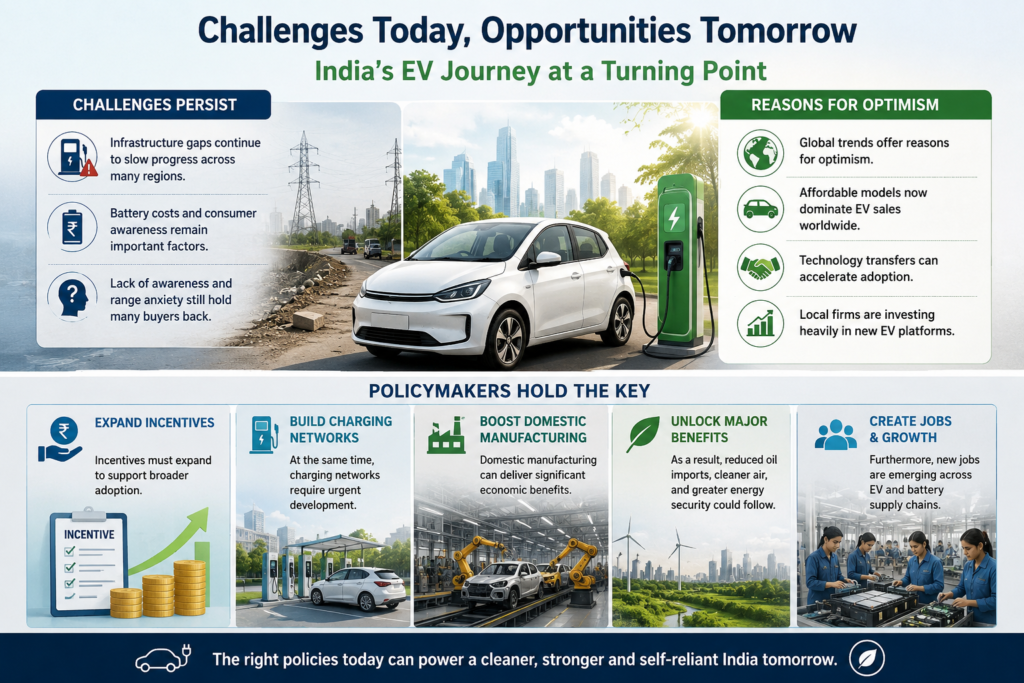
Meanwhile, policymakers have a crucial role to play. Incentives must expand to support broader adoption. At the same time, charging networks require urgent development. Domestic manufacturing can deliver significant economic benefits. As a result, reduced oil imports, cleaner air, and greater energy security could follow. Furthermore, new jobs are emerging across EV and battery supply chains.
Ultimately, the electric vehicle revolution is increasingly favoring mass-market models. India possesses enormous growth potential. Therefore, lower costs and wider consumer choices could help bring electric mobility into the mainstream.
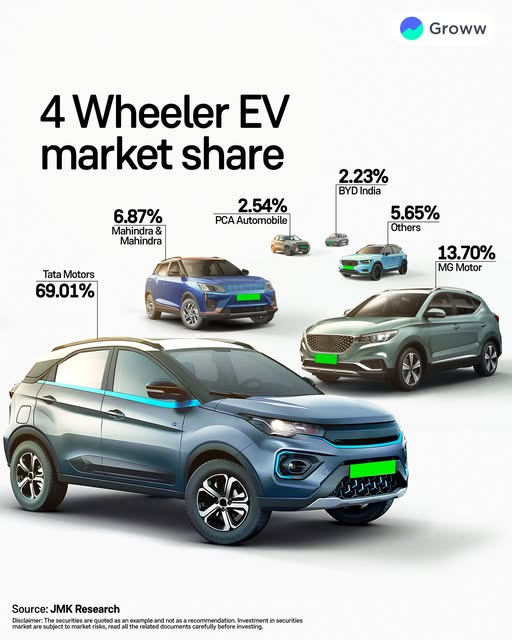
Bold action today can secure long-term benefits. Tata Motors and Mahindra & Mahindra continue to strengthen India’s EV ecosystem. Likewise, global manufacturers can add value through local production facilities and technology partnerships.
Today, time demands focus. India has the opportunity to lead Asia’s clean energy transition. Moreover, citizens increasingly seek better air quality and stronger energy security. As a result, future generations stand to benefit directly from today’s decisions.
Momentum is building steadily across the EV ecosystem. Ultimately, action is what transforms potential into reality. Therefore, decisive steps taken now can help secure India’s position as a global leader in sustainable mobility.
Reference- CleanTechnica, Electrek, InsideEVs, IEA, JMK Research, Federation of Automobile Dealers Associations (FADA) report,