



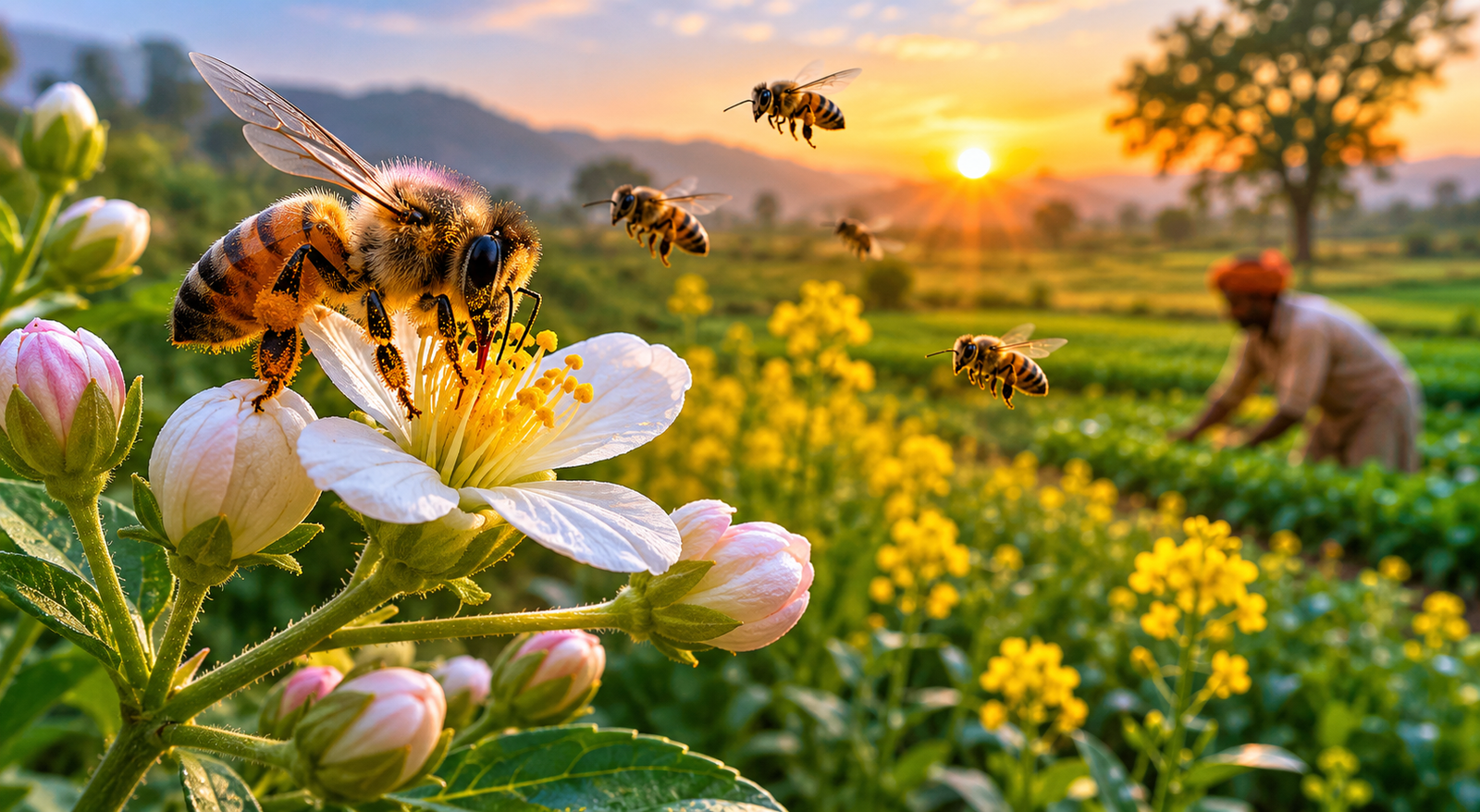
Let’s talk about bees for a moment — not just as the tiny creatures buzzing around your garden, but as some of the hardest workers quietly holding our food systems together. Their contribution is enormous, and yet most of us barely give them a second thought.
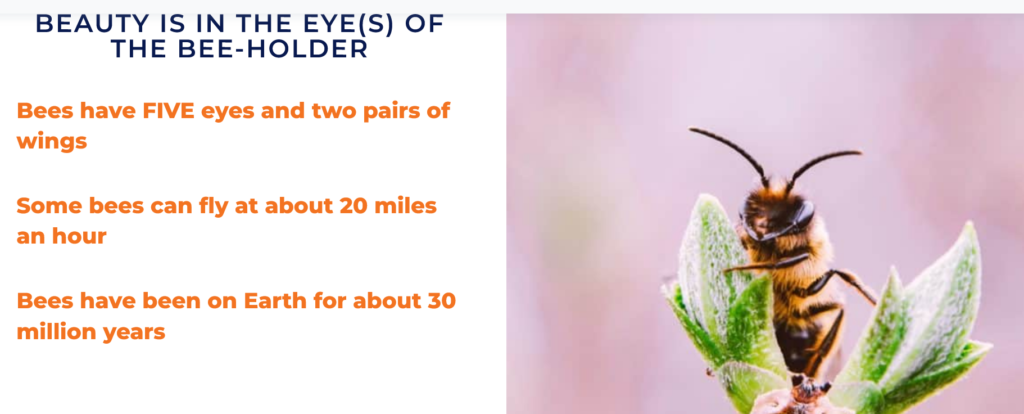
Here’s a number that might stop you in your tracks: nearly 75% of the world’s leading food crops depend, at least in part, on pollination. And around 90% of wild flowering plants need pollinators — mostly bees — to survive and reproduce. That’s not a small footnote in an environmental report. That’s the foundation of ecosystems we all live within.
Now think about what a single bee colony actually does in a day. It can pollinate close to 300 million flowers. In one day. And the ripple effects of that work show up on your plate — in the quality of your apples, the yield of an almond harvest, the mustard on your food, the sunflower oil in your kitchen.
For India specifically, this isn’t just an ecological talking point — it’s deeply tied to the country’s agricultural backbone. India produces over 1.3 lakh metric tonnes of honey every year, which is significant on its own.
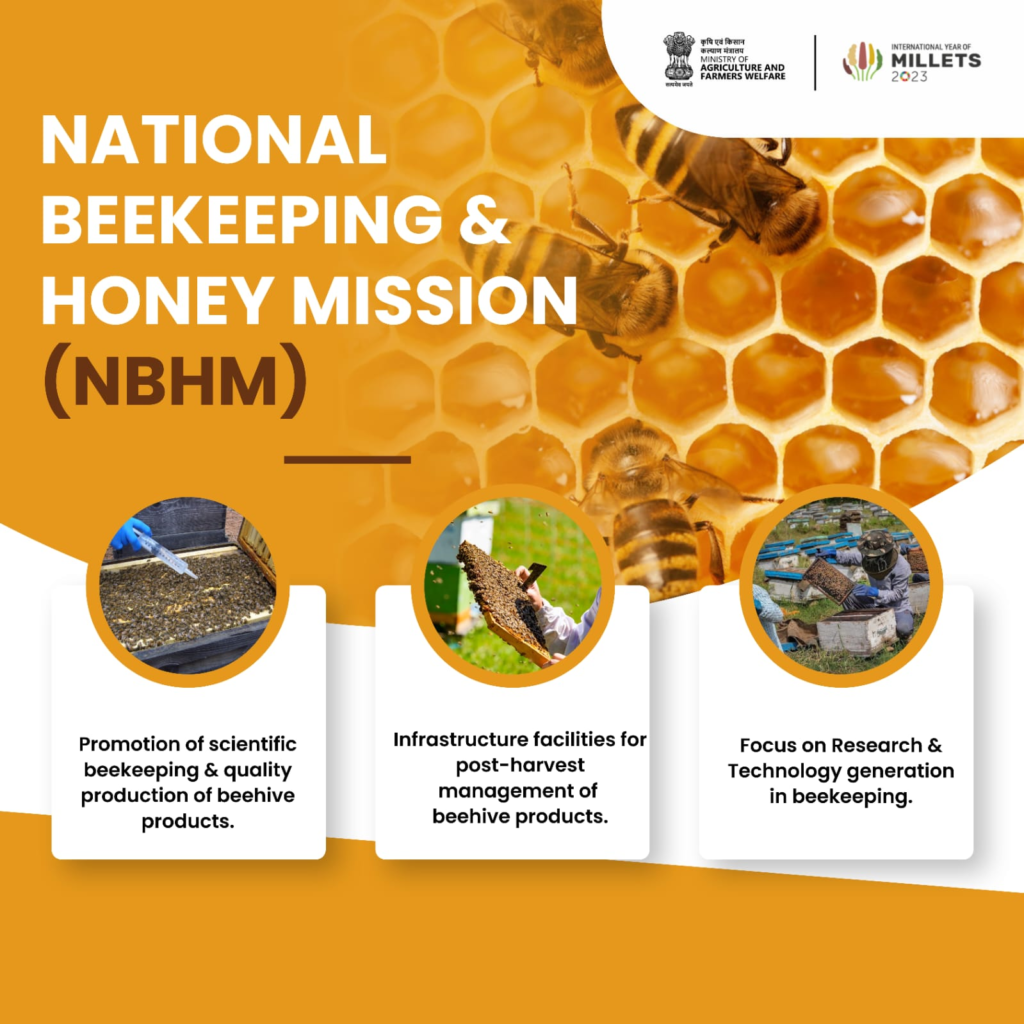
But beyond honey, bees are essential to crops grown across the country, from vegetables to oilseeds. Recognizing this, the government launched the National Beekeeping and Honey Mission, which has helped bring beekeeping into the fold as a source of rural employment and livelihood.
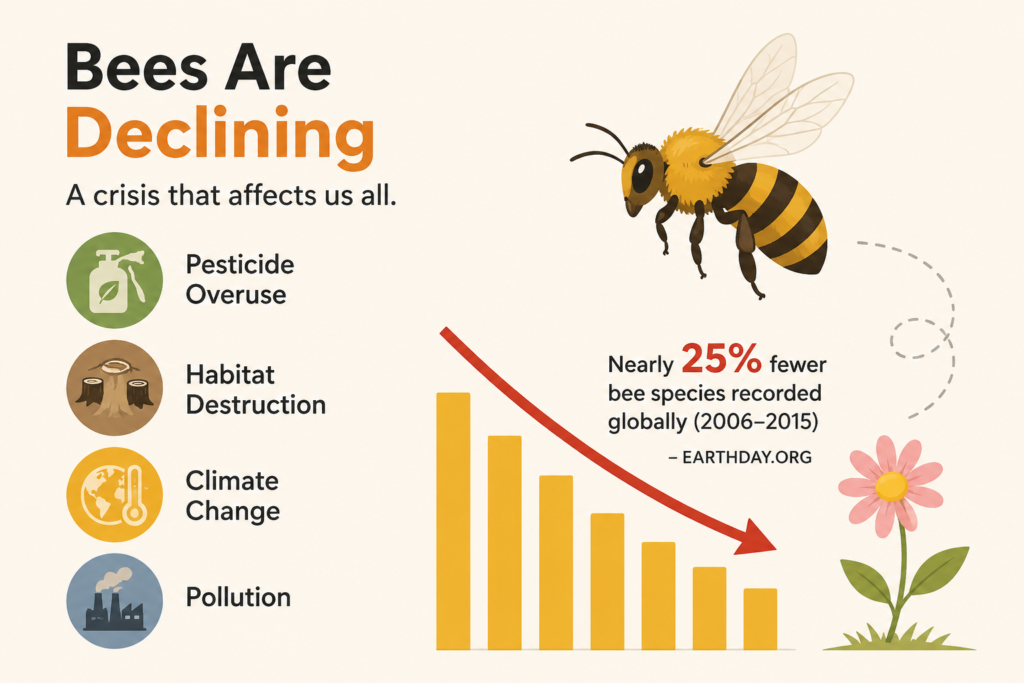
But here’s where things get concerning. Bee populations are declining — and faster than many people realize. Between 2006 and 2015, nearly 25% fewer bee species were recorded globally, according to EARTHDAY.ORG. The culprits? A familiar list: pesticide overuse, habitat destruction, climate change, and pollution. These aren’t abstract threats. They’re chipping away at species we genuinely cannot afford to lose.
And the consequences go far beyond honey shortages. Bees are a keystone in the broader web of biodiversity. Birds, mammals, and countless other species depend on fruits, nuts, and seeds that only exist because pollination happened. Pull bees out of that equation, and ecosystems don’t just struggle — they start to unravel. Food chains become unstable in ways that eventually circle back to affect us too.
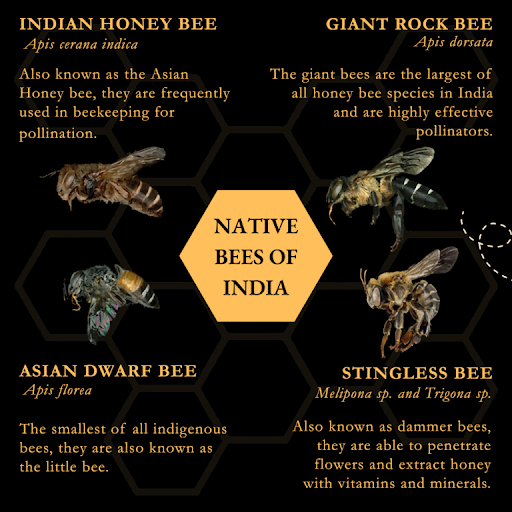
In India, native bee species deserve particular attention. On World Bee Day, Suresh Gudhe, a Nagpur-based beekeeping expert, highlighted that species like Apis cerana indica and stingless bees are especially vital — not just for crop productivity, but for forest regeneration too. These aren’t exotic rarities. They’re part of the local agricultural fabric, and protecting them matters for farming communities in a very direct, practical way.
There’s also one role bees play that almost never makes it into the conversation: soil health. Ground-nesting bees, while building their tunnels underground, naturally aerate the soil. That process improves drainage and creates conditions where plants can grow stronger. It’s quiet, invisible work — but it matters.
So what can actually be done? Environmental groups are pushing for a shift toward pollinator-friendly farming — less reliance on chemical pesticides, more flowering trees planted across landscapes, and stronger protections for natural habitats. These aren’t radical asks. They’re practical steps that farmers, governments, and even individuals can take.
For India, protecting bees isn’t a soft environmental cause. It’s tied directly to food security, agricultural productivity, and the livelihoods of rural communities. The bees are doing their part. The question is whether we’re willing to do ours.
Reference- EARTHDAY.ORG, Times of India, global pollinator studies, National Geographic, The Guardian, BBC